
Asim Munir Wraps Tehran Visit as Iran Says U.S. Talks Reach Final Stages
Key Takeaways
- Pakistani Field Marshal Asim Munir arrives in Tehran to mediate U.S.-Iran discussions.
- Iran says it is finalising a memorandum of understanding with the United States.
- Iran says talks remain far from a deal with deep, significant gaps.
Tehran mediation push
Pakistan’s Field Marshal Asim Munir wrapped up a high-stakes Tehran visit as Iran said U.S. talks were in their final stages toward a 14-point memorandum of understanding.
Iran’s Foreign Ministry spokesperson Esmail Baghaei said on Saturday that talks on a memorandum of understanding between Iran and the United States had reached their final stages, and he said the “primary objective of the Pakistani delegation’s visit was to facilitate and advance the exchange of messages between Tehran and Washington.”

The Media Line also said Baghaei emphasized lifting the U.S. maritime blockade and unfreezing Iran’s sanctioned financial assets as core components of the proposed memorandum, while Iran focused on ending the “imposed war” under its 14-point proposal.
The Pakistani military’s Inter-Services Public Relations said Munir’s visit was part of Pakistan’s mediation efforts after the April 8, 2026, ceasefire, and it said meetings in Tehran focused on accelerating the consultative peace process and taking practical steps toward a comprehensive agreement.
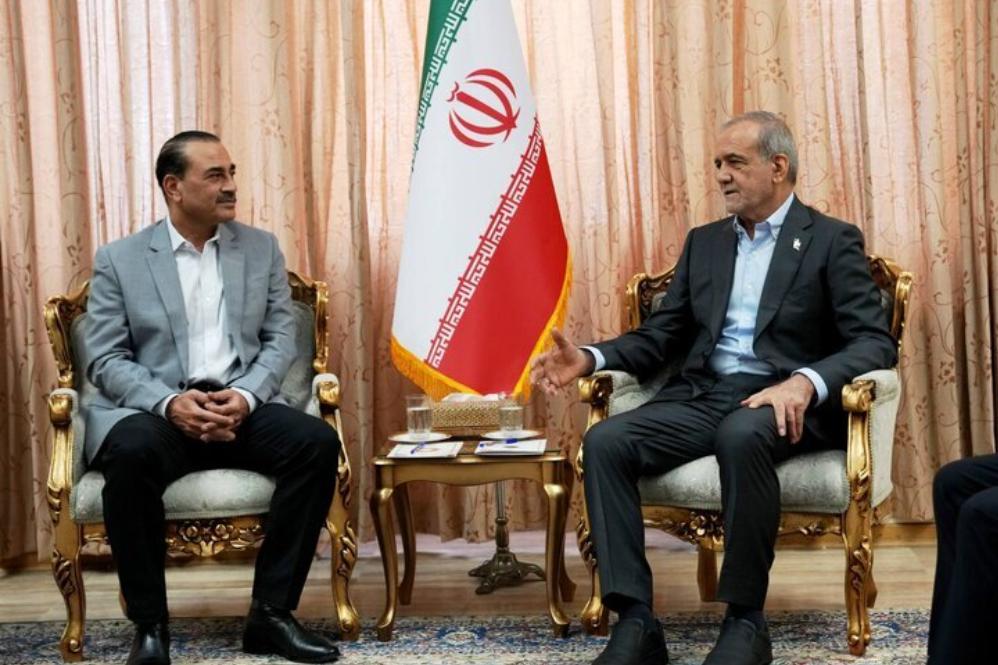
During the visit, Munir held high-level meetings with President Masoud Pezeshkian, Parliament Speaker Mohammad Bagher Ghalibaf, Foreign Minister Abbas Araghchi, and Interior Minister Eskandar Momeni, according to The Media Line.
Rubio, Trump, and the deal
As diplomacy intensified, Donald Trump said on Truth Social that a peace deal with Iran “has been largely negotiated,” and he added that “Final aspects and details” of a “Memorandum of Understanding” were still being discussed and “will be announced shortly.”
Trump also said “the Strait of Hormuz will be opened,” while The Guardian reported that the announcement came after a Pakistani source told Reuters that Iran and Pakistan had submitted a revised proposal to the United States to end the war and reopen the strait of Hormuz.

U.S. Secretary of State Marco Rubio struck a cautious tone in New Delhi, telling reporters, “There may be news later today. I don’t have news at this very moment, but there might be some news a little later today,” as The Media Line and Iran’s foreign ministry continued to describe talks as nearing final stages.
In Tehran, Foreign Ministry spokesman Esmail Baghaei stressed that “Iran’s focus at this stage is on ending the war,” and he said Iran and the United States would spend 30 to 60 days after signing the memorandum negotiating details of contentious issues including Iran’s nuclear program and sanctions relief.
The Media Line also said Baghaei cautioned against assuming a breakthrough was imminent, and it quoted him saying, “It cannot be said that an agreement is near,” while Axios and Reuters described the MoU as being “fine-tuned” and negotiations as producing “encouraging progress.”
Nuclear disputes and stakes
Even as the talks moved toward a framework, Iran said major gaps remained over key issues, with Esmail Baghaei telling state television that differences were “so deep and extensive” that no one could expect several rounds of meetings over a few weeks or months to necessarily produce results.
Baghaei summarized the uncertainty by saying, “The agreement is both very far and very close,” while CNBC reported that Iran’s top negotiator Mohammad Baqer Qalibaf told Asim Munir that the U.S. was not an honest party and that Iran would not compromise on its national rights.
CNBC also said Qalibaf warned that if the United States “foolishly restarts the war,” the consequences would be “more forceful and bitter” than at the start of the conflict, and it reported that Iran’s armed forces had rebuilt their capabilities during the ceasefire.
The Media Line said the proposed memorandum’s core components included lifting the U.S. maritime blockade and unfreezing Iran’s sanctioned financial assets, while The Guardian reported that details remained sparse and that Trump continued to threaten strikes if the U.S. did not get “everything we want.”
AP described the stakes for Hormuz and the wider region, saying the U.S. is blockading Iranian ports and has redirected 94 commercial vessels and disabled four others since mid-April, as Rubio said there needs to be a “plan B” if Washington and Tehran fail to reach a deal.
More on Iran
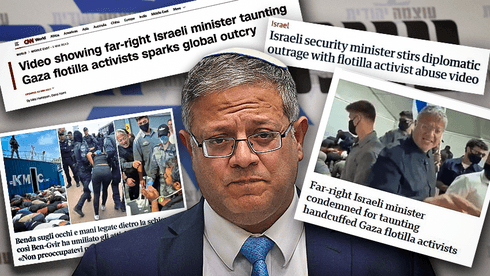
France Bans Itamar Ben-Gvir After Taunting Global Sumud Flotilla Activists
17 sources compared
Trump Says Deal With Iran, Strait Of Hormuz Opening Are Largely Negotiated
34 sources compared

Trump Says U.S. and Iran Are Near a Deal to Reopen Strait of Hormuz
47 sources compared

Asim Munir Concludes Iran Talks, Pakistan Says ‘Encouraging Progress’ Toward US Ceasefire
27 sources compared