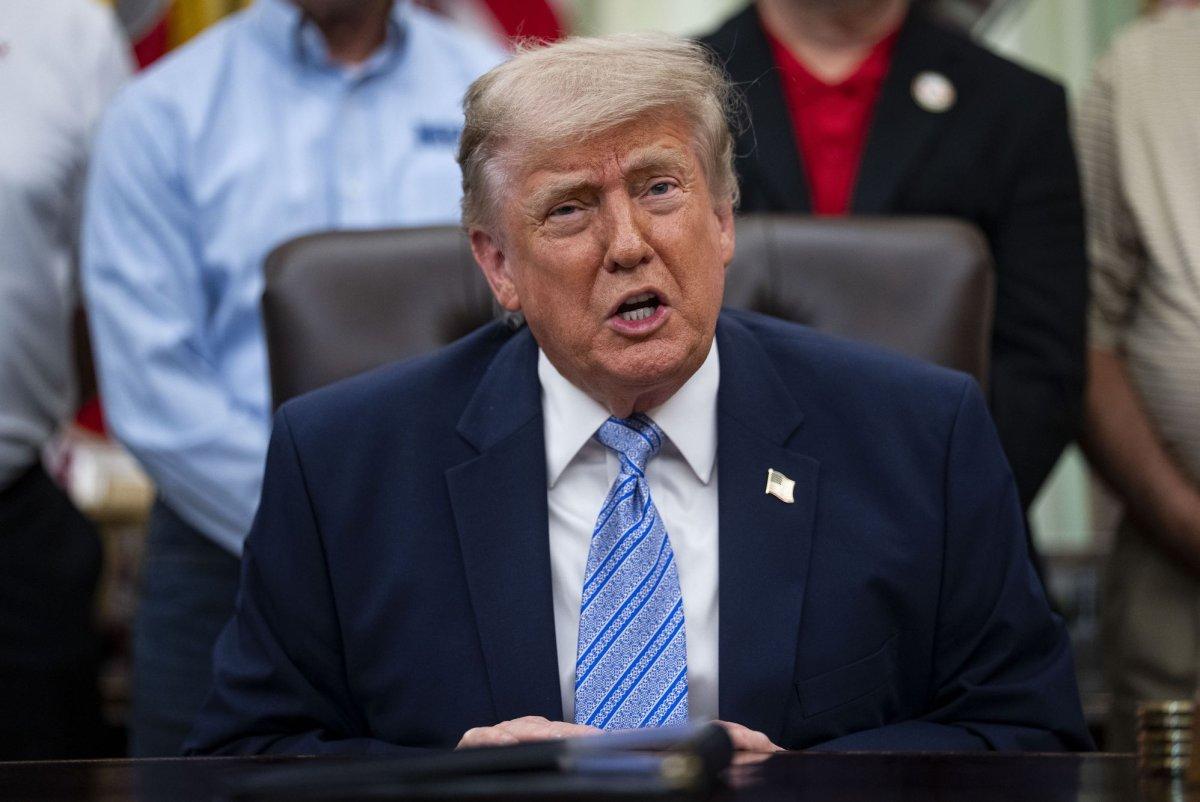
Donald Trump Says U.S. and Iran Have Largely Negotiated Deal to Reopen Strait of Hormuz
Key Takeaways
- Trump says Iran deal ending war and reopening Strait of Hormuz is largely negotiated.
- The proposed agreement would reopen the Strait of Hormuz.
- Trump tells negotiators not to rush into a deal.
Deal framework nears
President Donald Trump said the U.S. and Iran have an agreement that is “largely negotiated,” and he said he told negotiators “not to rush into a deal” because “time is on our side.”
“United States President Donald Trump says a possible agreement between Washington and Tehran to end months of war is now “largely negotiated”, raising hopes that tensions in the region could ease after a flurry of diplomatic overtures involving multiple countries”
CBS News reported that a senior Trump administration official said Iran has in principle agreed to a deal that would include the disposal of highly enriched uranium, with “a broad commitment on principles.”

Multiple outlets tied the emerging framework to reopening the Strait of Hormuz and to a 60-day period for further steps on nuclear issues, with the BBC saying the “60-day ceasefire extension” is part of the discussions.
The Los Angeles Times said regional officials told the Associated Press that the U.S. is close to a deal that would end the war, reopen the Strait of Hormuz, and see Iran give up its stockpile of highly enriched uranium, while saying details and timelines would be worked out later.
Disputes over Hormuz
Iranian state-linked media disputed Trump’s description of the Strait of Hormuz, with CNN reporting that Fars said the claims about reopening are “not true” and “inconsistent with reality.”
The BBC said Iranian media reported “one or two” points of disagreement in the potential deal, and it quoted Trump’s post that “both sides must take their time and get it right.”
NPR reported that within the past 24 hours “at least 33 ships, including oil tankers have passed through the Strait of Hormuz with Iran's permission,” while Fars said as of Saturday about “240 ships are waiting for Iran's permission to pass through the strait.”
In the same NPR account, Iran’s semi-official Tasnim said the Strait of Hormuz would “not return to its pre-war status” under an agreement, while NPR also said Iran’s Foreign Ministry spokesman Esmail Baqaei told state media that the Strait had “nothing to do with the US.”
Nuclear stakes and timing
The emerging framework repeatedly returned to highly enriched uranium, with the BBC saying it is thought Iran has about “440kg (970 lbs) of highly-enriched uranium,” and with CBS News describing the in-principle commitment to disposal of highly enriched uranium.
The Los Angeles Times said one regional official with direct knowledge of the negotiations described how Iran would give up the uranium as subject to further talks during a “60-day period,” with some likely diluted and the rest transferred to a third country, while Russia has offered to take it.
Israel’s position remained central to the stakes, with Netanyahu telling Trump that any final agreement “must eliminate the nuclear danger” posed by Tehran, meaning “dismantling Iran's nuclear enrichment sites and removing its enriched nuclear material from its territory,” as quoted by CBS News and echoed by NPR.
The Hill reported that the New York Times, citing a U.S. official, said the deal is subject to final approval from President Trump and Iran’s supreme leader, while also saying the U.S. believes Iran’s supreme leader “has approved the broad template” for the draft deal.
More on Iran
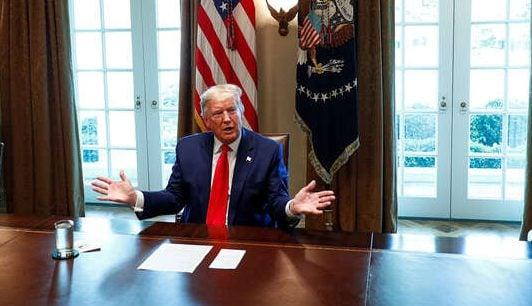
Donald Trump Nears 60-Day Iran Memorandum Reopening Strait of Hormuz, Clearing Mines
26 sources compared
Trump Says US-Iran Deal Is Largely Negotiated, Framework Gives 60 Days
21 sources compared
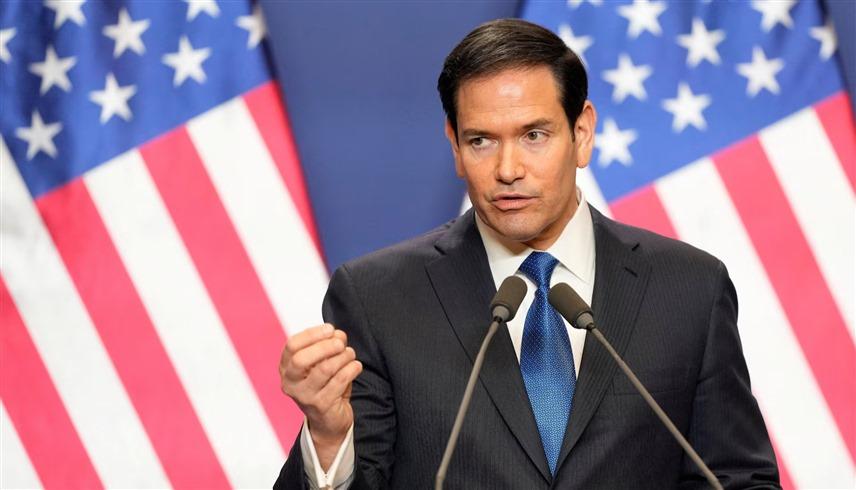
Trump Tells Republicans 'Don’t Listen to the Losers' Over Iran 60-Day Ceasefire Deal
10 sources compared
Trump Orders US Negotiators Not To Rush Iran Deal As US Blockade Stays
21 sources compared