Hezbollah Says Iran Included Lebanon Ceasefire Condition in Negotiations, Rejects 2024 Deal
Key Takeaways
- Iran included Lebanon ceasefire condition in negotiations.
- Hezbollah rejects surrender and will not return to pre-2024 deal.
- Iran reiterates support for resistance and Lebanon ceasefire remains a fundamental condition.
Iran links talks to Lebanon ceasefire
Hezbollah’s political council member Wafiq Safa said Iran included the Lebanon ceasefire condition in negotiations and insisted, “We will never accept returning to an agreement similar to the 2024 agreement.”
Safa also said, “Before a real ceasefire, the withdrawal of Israeli soldiers, the return of prisoners, the displaced, and the rebuilding of the country cannot be discussed,” framing the ceasefire as a prerequisite for any further steps.

In parallel, a Fars News Agency segment with Middle East affairs analyst Saeedollah Zarei said Iran had two specific conditions for starting negotiations, including “the release of Iran's blocked assets,” and that Iran’s pressure led to the ceasefire’s realization.
Zarei said Iran conditioned the start of talks on “a complete and absolute ceasefire across Lebanon,” with phased implementation occurring “first Beirut, then the Beqaa region in eastern Lebanon, and ultimately” across Lebanon.
The same reporting described the ceasefire as tied to Tehran’s leverage in Islamabad-mediated talks, with Zarei arguing that the short timing matched Islamabad’s proposed ceasefire period.
Israel’s conditions and Iran’s response
An analysis published in an Israeli media outlet said Tel Aviv’s approach to any Lebanon ceasefire is shaped by “past experiences—especially the October 7 attacks,” and it laid out three main conditions for any ceasefire agreement.
The analysis said Israel wants a buffer zone in southern Lebanon “up to the Litani River without Hezbollah's presence,” while also maintaining “full freedom of military operations—even in the north of the Litani.”
It further said Israel would initiate “a long-term process to disarm this group under U.S. oversight,” and argued that an immediate ceasefire “will not improve the security situation if these conditions are not met.”
In response to the linkage between ceasefire and negotiations, Mohammad Irani, former Iranian ambassador to Lebanon, said, “No, look, this mindset may be common among some Western or European circles,” rejecting the idea that Iran would leave Hezbollah.
Irani added that “the resistance is self-reliant and defends its own people,” and he argued that any Iran–U.S. agreement could affect “the Lebanese issue, the resistance, and also the trajectory that the Lebanese government is pursuing.”
Letters, pressure, and next steps
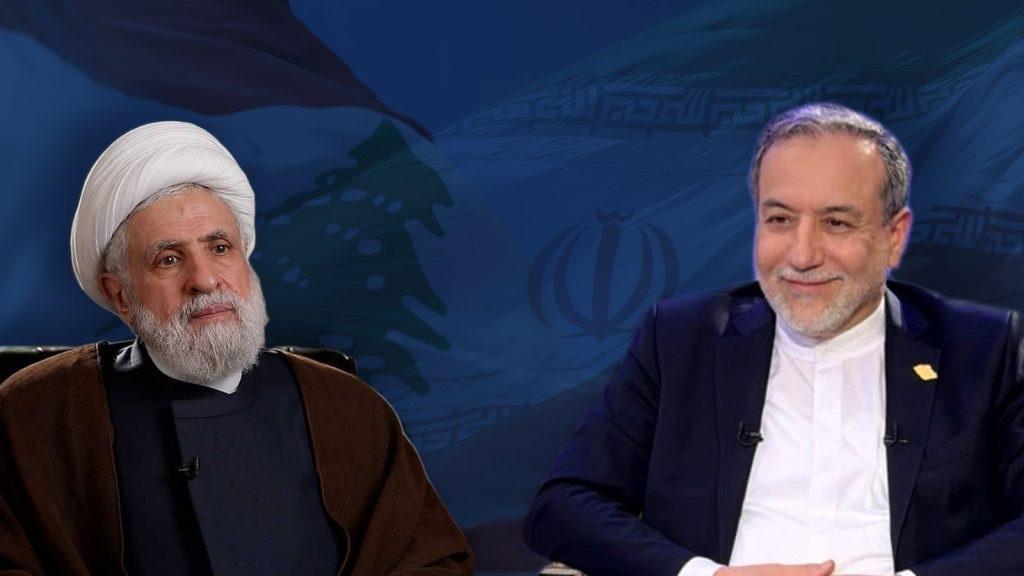
Al-Manar TV Lebanon reported that Iranian Foreign Minister Abbas Araghchi sent a letter to Hezbollah Secretary General Sheikh Naim Qassem reaffirming that “a ceasefire in Lebanon remains a fundamental condition in any regional agreement.”
“Iranian Foreign Minister Abbas Araghchi sent on Saturday a letter to Hezbollah Secretary General Sheikh Naim Qassem reaffirming Tehran’s continued support for resistance movements and stressing that a ceasefire in Lebanon remains a fundamental condition in any regional agreement”
The letter said Araghchi affirmed, “Iran will not abandon, until the very last moment, its support for movements seeking justice and freedom,” and described the position as linked to Ayatollah Sayyed Ali Khamenei.
It also stated that Tehran has “consistently insisted that any agreement must include a ceasefire in Lebanon,” and that the principle “remains unchanged and is considered a legitimate demand of the Iranian government and people.”
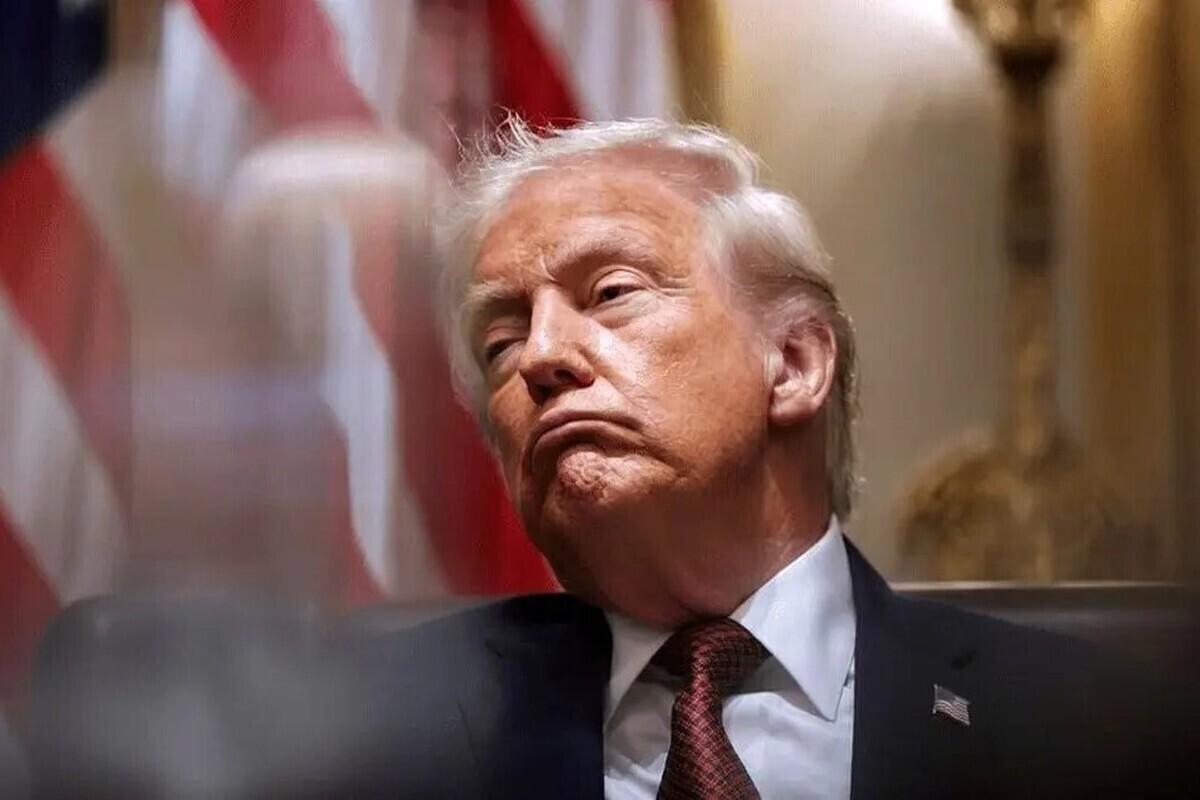
Meanwhile, ShahrArian News quoted Ron Ben-Yishai of Yedioth Ahronoth saying Trump imposed a ceasefire in Lebanon on Benjamin Netanyahu because he wanted to “please the Iranians” and prevent the Lebanon front from hindering comprehensive talks between Washington and Tehran through Pakistani mediation.
Ben-Yishai’s account said the army would remain in its current positions in southern Lebanon and wait for Pakistan’s negotiations to determine whether the ceasefire is “merely a 10-day ceasefire or a long-term change.”
More on Iran
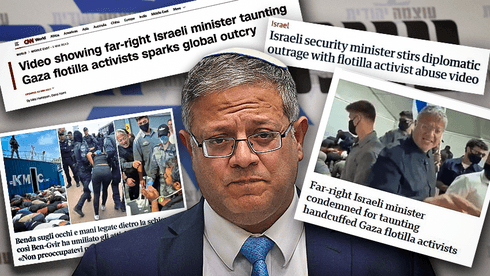
France Bans Itamar Ben-Gvir After Taunting Global Sumud Flotilla Activists
17 sources compared
Trump Says Deal With Iran, Strait Of Hormuz Opening Are Largely Negotiated
34 sources compared

Trump Says U.S. and Iran Are Near a Deal to Reopen Strait of Hormuz
47 sources compared

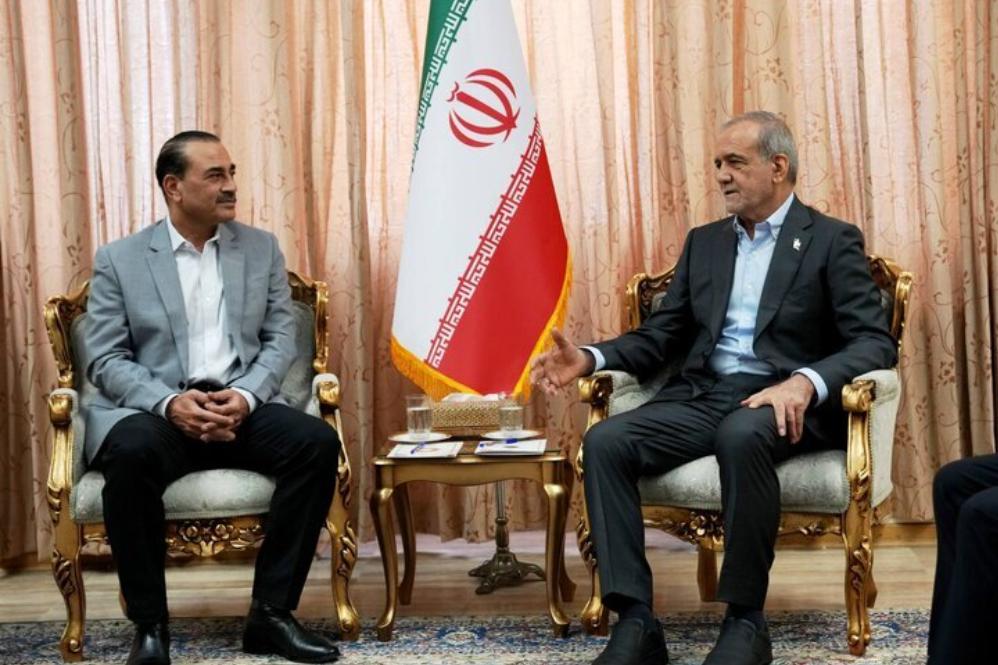
Asim Munir Wraps Tehran Visit as Iran Says U.S. Talks Reach Final Stages
33 sources compared