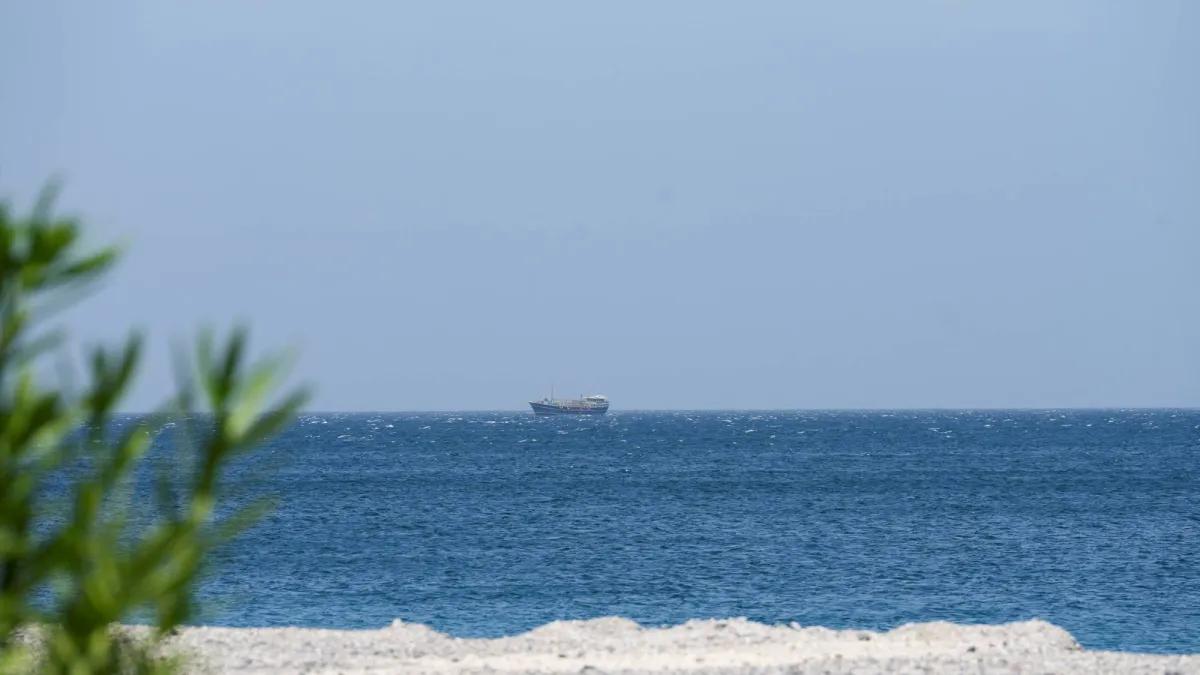
Iran and Oman Negotiate Strait of Hormuz Ship Payment System Amid U.S. Warnings
Key Takeaways
- Iran and Oman are negotiating a ship payment system or toll for Hormuz.
- The United States has publicly warned against charging fees to cross the strait.
- Discussions remain inconclusive with no clear deal or timetable yet.
Hormuz fees talks
Iran and Oman are negotiating a payment system for ships passing through the Strait of Hormuz, with the discussions framed as charging fees rather than tolls despite U.S. warnings against requiring payments to cross the waterway.
“Eleven weeks after the start of the Iran war, the Strait of Hormuz has remained closed to naval traffic, bleeding the global economy far beyond the Gulf”
The talks come as Iran’s newly created Persian Gulf Strait Authority posted on social media that it had “defined the boundaries of the Strait of Hormuz management supervision area” and that passage would require a permit.

After American and Israeli forces attacked Iran in late February, Iran effectively halted commercial traffic through the strait, disrupting international shipping and driving up energy prices.
The negotiations are described as unclear in outcome, but they are presented as signaling that the United States and Iran are no closer to ending a war that has hurt the global economy.
The proposed framework is tied to a system that would charge fees for services provided to vessels, with Iranian officials saying charges could include service, transit, and environmental fees among others.
Trump and Rubio reject
U.S. President Donald Trump rejected the notion of any payment for passage through the strait, saying in the Oval Office, “We want it to be free,” and adding, “We don’t want tolls. It’s international.”
U.S. Secretary of State Marco Rubio also rejected the idea, telling reporters, “That cannot happen,” and warning it would be “unacceptable” and make a diplomatic agreement “unworkable.”

Iran and Oman are presented as emphasizing the legal distinction between fees and tolls, with the reporting describing a framework that would involve fees for services rather than a transit toll system.
The dispute is also linked to the Persian Gulf Strait Authority’s move to require permits, as it posted that passage would require authorization from the authority.
In parallel, the reporting describes how the U.S. and Iran are engaged in diplomatic negotiations to end the war, but the Iran-Oman talks suggest neither side is close to compromise.
Legal stakes and sanctions
The reporting frames the legal stakes around the 1982 United Nations Convention on the Law of the Sea, which establishes the right of vessels to pass through international straits without obstruction if they comply with safety and pollution-control regulations.
James Kraska, described as a professor of international maritime law at the U.S. Naval War College and visiting professor at Harvard Law School, said the navigation regime that prohibits payment for passage is “virtually universally accepted,” and that “Iran has acquiesced to it for decades.”
Kraska also warned that the challenge for Iran would be proving that the fees it seeks are genuinely reasonable and correspond to the services provided, saying, “They are trying to cleverly fit their proposal within the legal framework”.
The reporting also says the U.S. Office of Foreign Assets Control (OFAC) issued compliance warnings, and that any commercial marine firm or secondary insurer passing through the Strait of Hormuz and making payments would attract U.S. sanctions.
With Iran’s leverage over the strait described as having been used to generate revenue after commercial traffic was brought near a halt, the next phase of the dispute is presented as hinging on whether any fee regime can be implemented without triggering sanctions and without being treated as an illegal transit toll.
More on Iran

France Bans Itamar Ben-Gvir After Taunting Global Sumud Flotilla Activists
17 sources compared
Trump Says Deal With Iran, Strait Of Hormuz Opening Are Largely Negotiated
34 sources compared

Trump Says U.S. and Iran Are Near a Deal to Reopen Strait of Hormuz
47 sources compared

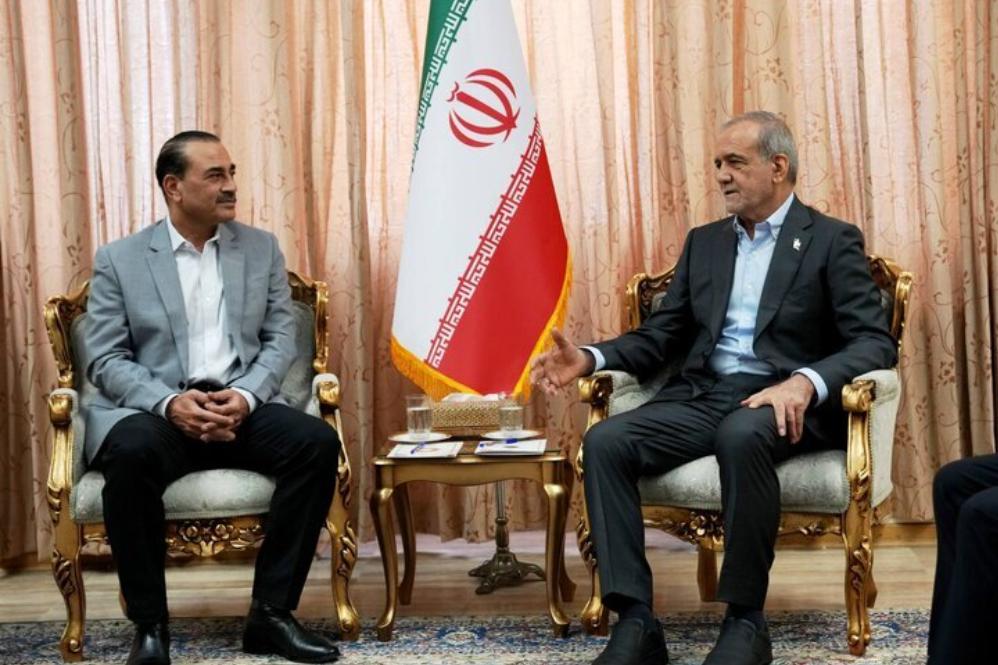
Asim Munir Wraps Tehran Visit as Iran Says U.S. Talks Reach Final Stages
33 sources compared