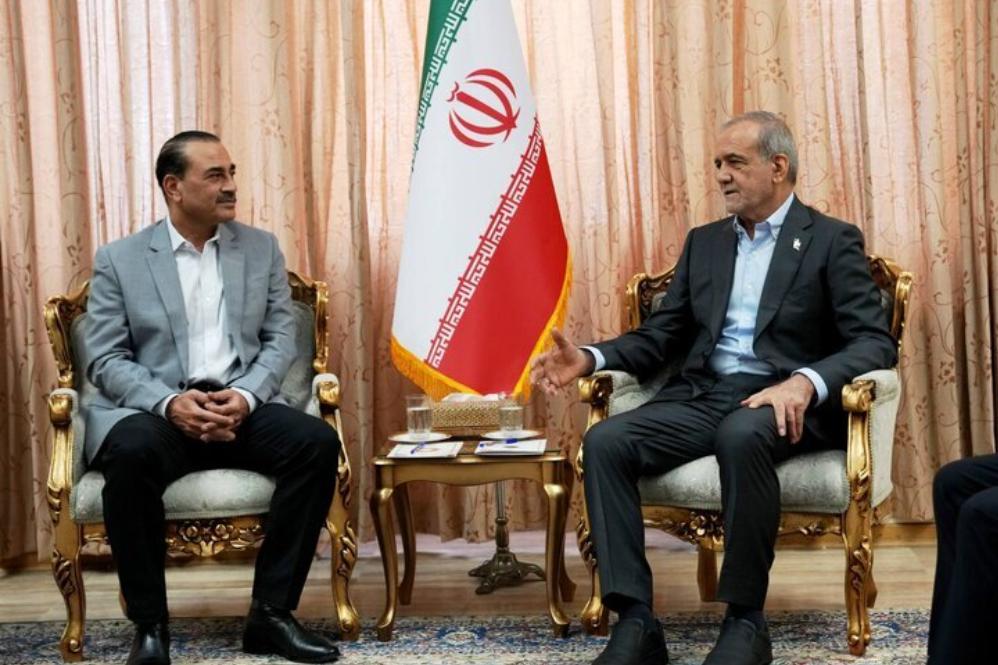
Israel Fears U.S.-Iran Deal Could End War Without Dismantling Iran’s Nuclear Threat
Key Takeaways
- Iran vows decisive retaliation against any new aggression.
- Negotiated proposals aim to end the war between the U.S. and Iran.
- A 38-day campaign produced a fragile ceasefire and broader war dynamics.
Deal talks, Israel’s fears
Floods of reports and leaks around U.S.-Iran negotiations have left Israel fearing that a U.S.-Iran deal could end the war without ending the threat, with the Israeli concern centered on whether an interim understanding would dismantle Iran’s nuclear infrastructure, limit its ballistic missile and drone programs, or curb regional proxies like Hezbollah in Lebanon and the Houthis in Yemen.
ynetnews says Washington and Tehran were moving toward an initial understanding through Pakistani and Qatari mediation, and that the expected negotiations were to last 30 to 60 days as a memorandum of understanding served as a basis for a more detailed round.

The same article says one source familiar with the Iranian arena put the fear bluntly: "once the United States enters a prolonged negotiating process with Iran, Tehran gains time, leverage and room to maneuver."
NPR frames the immediate context differently, saying President Donald Trump called off a planned military strike at the request of Gulf Arab allies and then told his military commanders to remain on standby for "a full, large-scale assault of Iran, on a moment's notice" if an acceptable deal is not reached.
Voices on negotiation and risk
In the UAE, Anwar Gargash told RFE/RL that a restart of hostilities would be "catastrophic" and argued that only a "political resolution" could end an 11-week war that had disrupted international oil and gas supplies and upended the global economy.
RFE/RL also quotes Gargash warning that Iranian negotiators have "always overplayed their hands" and that Iran wants to bring about a change in the use of the Strait of [Hormuz], which he said would cause "serious issues" and could be "weaponized [again] in a future conflict."
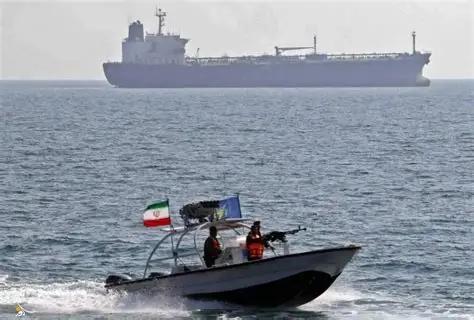
NPR reports that Iran’s response to Trump’s pause was not conciliatory, quoting Mohsen Rezaei, a military adviser to Iran's supreme leader, saying on state television: "Our armed forces' fingers are on the trigger, while diplomacy is also continuing."
NPR adds that Vali Nasr, a scholar of Iranian politics at Johns Hopkins University's School of Advanced International Studies, said the leadership in Tehran draws a sharp distinction between Trump's military threats and his invitations to negotiate, and that "Iran does not take him seriously when he says he wants to negotiate."
What’s at stake next
The stakes described in the reporting include the Strait of Hormuz and the broader economic pressure it exerts, with NPR saying Iran’s effective closure of the waterway sent energy prices higher worldwide and created a direct problem for American consumers, citing that AAA analysis found gas prices increased more than 50% since the start of the conflict.
NPR also says the conflict has left core war aims unmet, including Iran abandoning its nuclear program, halting ballistic missile development, and ending support for Iran's proxy forces in Gaza, Iraq, Lebanon, and Yemen, while the White House spokesperson Olivia Wales insisted that "President Trump holds all the cards and wisely keeps all options on the table."
In parallel, ynetnews describes Israel’s fear that an interim understanding could stop the war without dismantling Iran’s nuclear infrastructure and without limiting its ballistic missile and drone programs, and it warns that postponement could leave Israel facing "heavy diplomatic pressure, restrictions on weapons and spare parts" and a clear American warning not to act independently.
On the Iranian side of the negotiation posture, PressTV quotes Rear Admiral Habibollah Sayyari saying Iran is ready to create "another Beit-ol-Moqaddas" in the face of any sedition and imposed war, and it says the Iranian Army is awaiting an order from the Leader of the Islamic Revolution to launch its devastating attacks on the enemies.
More on Iran
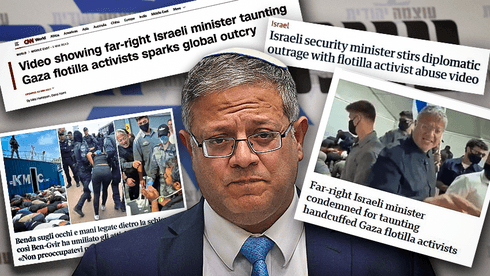
France Bans Itamar Ben-Gvir After Taunting Global Sumud Flotilla Activists
17 sources compared
Trump Says Deal With Iran, Strait Of Hormuz Opening Are Largely Negotiated
34 sources compared

Trump Says U.S. and Iran Are Near a Deal to Reopen Strait of Hormuz
47 sources compared

Asim Munir Wraps Tehran Visit as Iran Says U.S. Talks Reach Final Stages
33 sources compared