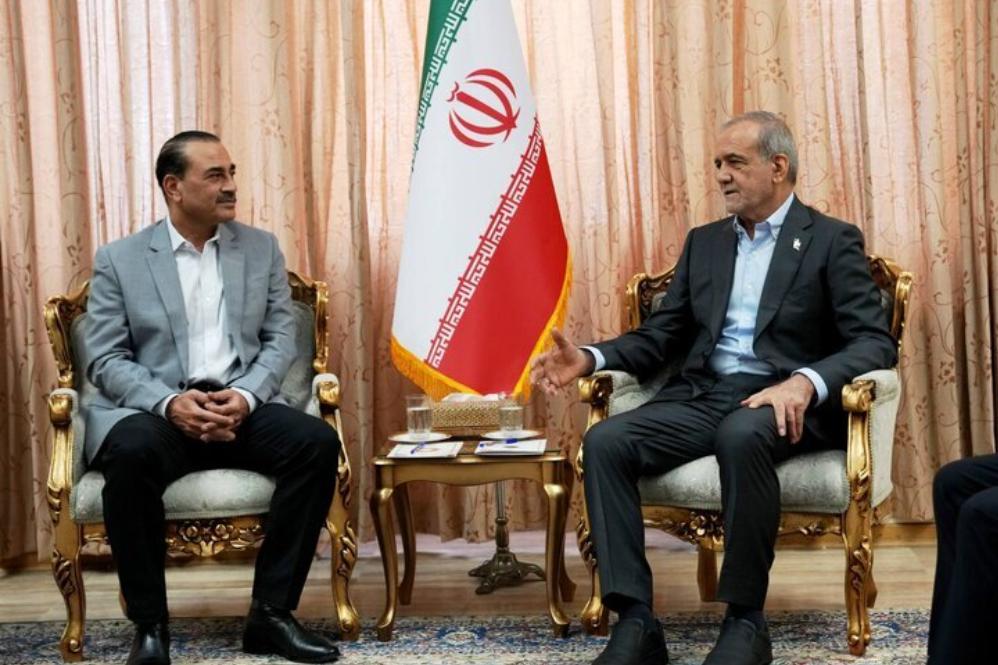
Trump Says Deal With Iran, Strait Of Hormuz Opening Are Largely Negotiated
Key Takeaways
- Trump says a deal with Iran is largely negotiated, including Strait of Hormuz reopening.
- Pakistan mediates renewed talks, Tehran signaling optimism and narrowing differences.
- Officials from US and Iran signal progress toward deal amid fragile ceasefire.
Deal Talks, Hormuz
President Donald Trump said an agreement with Iran to end the war is “largely negotiated,” adding that “Final aspects and details of the Deal are currently being discussed, and will be announced shortly,” and that “In addition to many other elements of the Agreement, the Strait of Hormuz will be opened.”
The NBC News report said the talks follow a fragile, almost two-month ceasefire and weeks of negotiations, with Vice President JD Vance and Steve Witkoff also on the call, and with Secretary of State Marco Rubio telling reporters in India that “there may be news later today.”

Iran’s Foreign Ministry spokesperson Esmail Baghaei told state media that “we are very far from and very close to an agreement,” and said the positions of the U.S. and Iran in negotiations “have become closer, but not to the point of an agreement rather to the point where a solution may be possible.”
The CNBC account said the agreement includes a memorandum of understanding as a first phase, with broader talks within 30 to 60 days, and it described a major sticking point as Trump’s demand that Iran surrender its enriched uranium and permanently relinquish any nuclear weapons capacity.
Mediation and Threats
Alongside the push for a memorandum of understanding, Tehran and Washington continued to trade warnings, with the Tehran Times saying Parliament Speaker and chief negotiator Mohammad Baqer Qalibaf told Munir that Iran would pursue its “legitimate rights” but stressed that Tehran could not trust “a party that has no honesty at all.”
The same Tehran Times account said Qalibaf warned that if the United States “foolishly restarts the war,” the consequences would be “more crushing and bitter,” while it described Pakistan’s Chief of Defense Forces Field Marshal Syed Asim Munir concluding another visit to Tehran amid intensified mediation efforts.
In parallel, the CNBC report said Pakistani and Qatari negotiators held talks with Iranian counterparts on Thursday and Friday while staying in regular contact with U.S. envoy Steve Witkoff, and it said Iran’s top negotiator told a Pakistani counterpart that Iran wouldn’t compromise its “legitimate rights” and expressed distrust of the U.S.
The Radio Free Europe/Radio Liberty account also framed Trump’s posture as conditional, quoting him on Truth Social that “An Agreement has been largely negotiated, subject to finalization between the United States of America, the Islamic Republic of Iran, and the various other Countries,” while also reporting that Trump said the Strait of Hormuz will be opened.
What’s at Stake
The stakes in the sources center on nuclear demands, sanctions, and the Strait of Hormuz, with the CNBC report saying a major sticking point has been Trump’s demand that Iran surrender its enriched uranium and permanently relinquish any nuclear weapons capacity, and that Trump also demanded Iran dismantle the Natanz, Fordow and Isfahan nuclear sites.
“Trump says Iran deal 'largely negotiated' including reopening Strait of Hormuz US President Donald Trump says an agreement with Iran has been "largely negotiated" and details will be announced soon”
Iran’s position in the Tehran Times account tied any settlement to a two-phase approach and core conditions including non-aggression guarantees, removal of sanctions, unfreezing of Iranian assets, recognition of Iran’s control over the Strait of Hormuz, and an end to Israeli strikes in Lebanon, with Tehran saying it would never compromise on its enrichment rights.
The BBC account said Labour Minister Tahmina Akhter pledged the government would launch an immediate investigation and “hold the owners fully accountable,” but in the Iran coverage the NBC News and CNBC accounts instead emphasized that the ceasefire has been fragile and that Trump told Axios there was a “50/50” chance of making a “good” deal or “blow[ing] them to kingdom come.”
In the NBC News report, Baghaei’s statement that the negotiations were “very far from and very close” to agreement was paired with the plan to draft a memorandum of understanding to end the war and then continue discussions in a timeframe of 30 to 60 days, leaving the next steps dependent on whether the parties can finalize the framework.
More on Iran
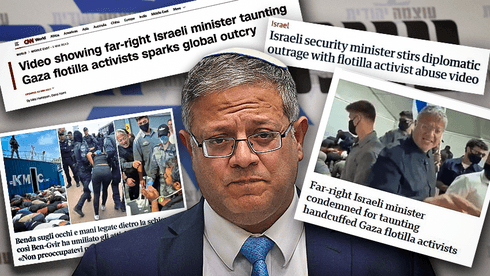
France Bans Itamar Ben-Gvir After Taunting Global Sumud Flotilla Activists
17 sources compared

Trump Says U.S. and Iran Are Near a Deal to Reopen Strait of Hormuz
47 sources compared

Asim Munir Wraps Tehran Visit as Iran Says U.S. Talks Reach Final Stages
33 sources compared

Asim Munir Concludes Iran Talks, Pakistan Says ‘Encouraging Progress’ Toward US Ceasefire
27 sources compared