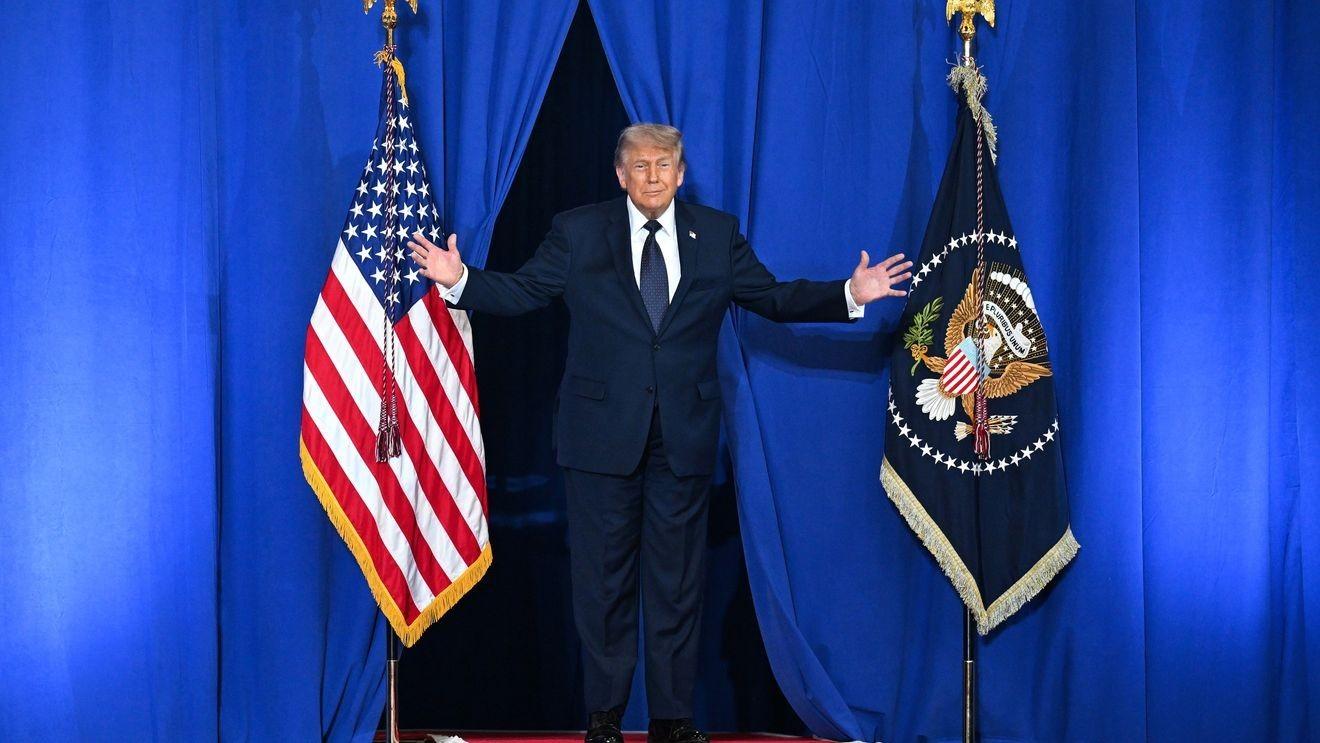
Trump Says Iran Deal Is Largely Negotiated, Strait of Hormuz Will Be Opened
Key Takeaways
- Trump says Iran deal is largely negotiated.
- The deal would reopen the Strait of Hormuz.
- Final aspects and details are being discussed and will be announced shortly.
Deal, Strait, and Deadlines
President Trump said on Saturday that a deal with Iran was “largely negotiated” and would include “the Strait of Hormuz will be opened,” after a phone call with Arab allies in the region.
“- Published US President Donald Trump says an agreement with Iran has been "largely negotiated" and details will be announced soon”
Trump wrote on Truth Social that “Final aspects and details of the Deal are currently being discussed, and will be announced shortly,” and he referenced a “Memorandum of Understanding pertaining to PEACE.”
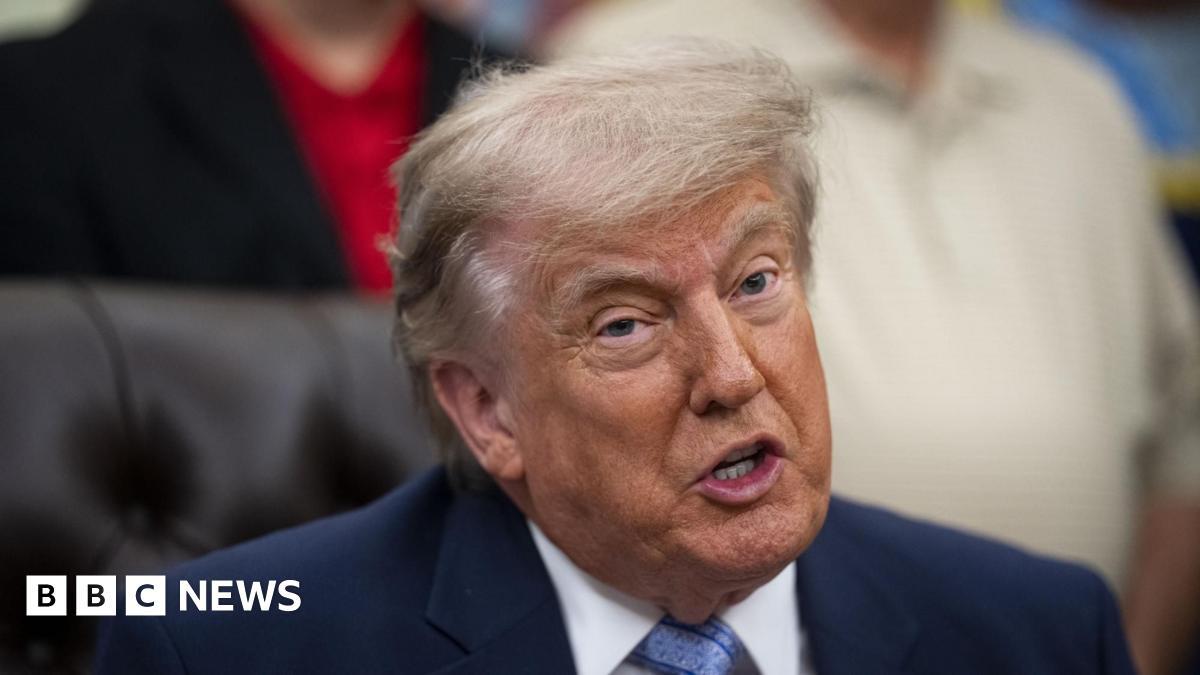
The Hill reported that Trump had warned early this week that the “clock is ticking” for Tehran, threatening additional military strikes before he pulled back at the request of Gulf leaders.
The BBC said Trump insisted any agreement would “absolutely” prevent Iran from obtaining a nuclear weapon, while Reuters cited by the Hill described a potential deal that would include an official declaration of the war’s end and a 60-day period of negotiations on Iran’s nuclear program.
In parallel, the BBC reported that Iran’s foreign ministry spokesman Esmaeil Baqaei described a “framework, consisting of 14 points,” and said further talks could be held within 30 to 60 days.
Competing Claims and Warnings
The BBC reported that Trump said he had a “very good call” with leaders of Saudi Arabia, the United Arab Emirates, Qatar, and others about a “Memorandum of Understanding pertaining to PEACE,” and it said he also called Israeli Prime Minister Benjamin Netanyahu, which “went very well.”
Iran’s foreign ministry spokesman Esmaeil Baqaei told state television that US and Iranian positions had been converging in the last week, but he warned that did not mean agreements would be reached on key issues and accused the Americans of “contradictory statements”.

CNN reported that Iran’s state-affiliated Fars news agency disputed Trump’s characterization, reporting that the Strait of Hormuz will remain under Iranian control and that Trump’s claims about reopening the strait are “not true” and “inconsistent with reality.”
CNN also said Trump’s broader agreement would end the US blockade of Iranian ports and unfreeze some Iranian assets held in banks outside Iran, while an Israeli source said Israel’s main concern was a narrow interim agreement that would not address “Tehran’s nuclear program and enriched uranium.”
In the U.S. Senate, the Hill reported that Sen. Roger Wicker wrote on X that the rumored 60-day ceasefire would be a “disaster,” adding that “Everything accomplished by Operation Epic Fury would be for naught!”
What’s at Risk Next
The Hill said the Strait of Hormuz has been a flashpoint since the outset of the conflict, with dual U.S. and Iranian blockades causing significant economic disruption, and it cited U.S. Central Command saying U.S. forces had “turned around more than 100 commercial vessels and disabled four” since the blockade went into effect in mid-April.
“President Donald Trump said Saturday that a peace deal with Iran that would reopen the Strait of Hormuz is "largely negotiated" and will be announced shortly, a development that could end a conflict that has choked global energy markets and pushed U”
The BBC reported that the U.S. has blockaded Iranian ports since 13 April, and it said Centcom stated it had redirected 100 vessels, disabled four, and allowed 26 humanitarian aid ships to pass since the blockade began.
In Iran, the BBC said Iran has claimed military control of an area around the Strait of Hormuz and that all transit through the strait “requires coordination with and authorisation from the Persian Gulf Strait Authority,” which the US and Gulf allies have repeatedly rejected.
The Hill reported that Iranian Foreign Ministry spokesperson Esmail Baghaei acknowledged some progress in talks but cautioned they would “have to wait and see where the situation ends in the next three or four days.”
Looking ahead, the BBC said Baqaei described Iran’s intention as reaching an agreement “in the form of a framework, consisting of 14 points,” with further talks within 30 to 60 days, while the Hill said the potential deal would establish a 60-day period of negotiations on Iran’s nuclear program.
More on Iran
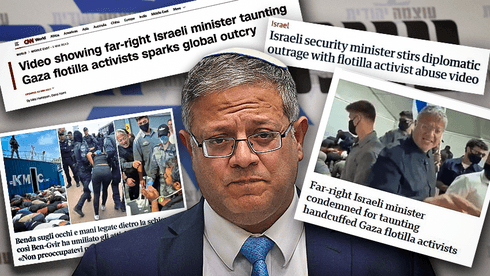
France Bans Itamar Ben-Gvir After Taunting Global Sumud Flotilla Activists
17 sources compared
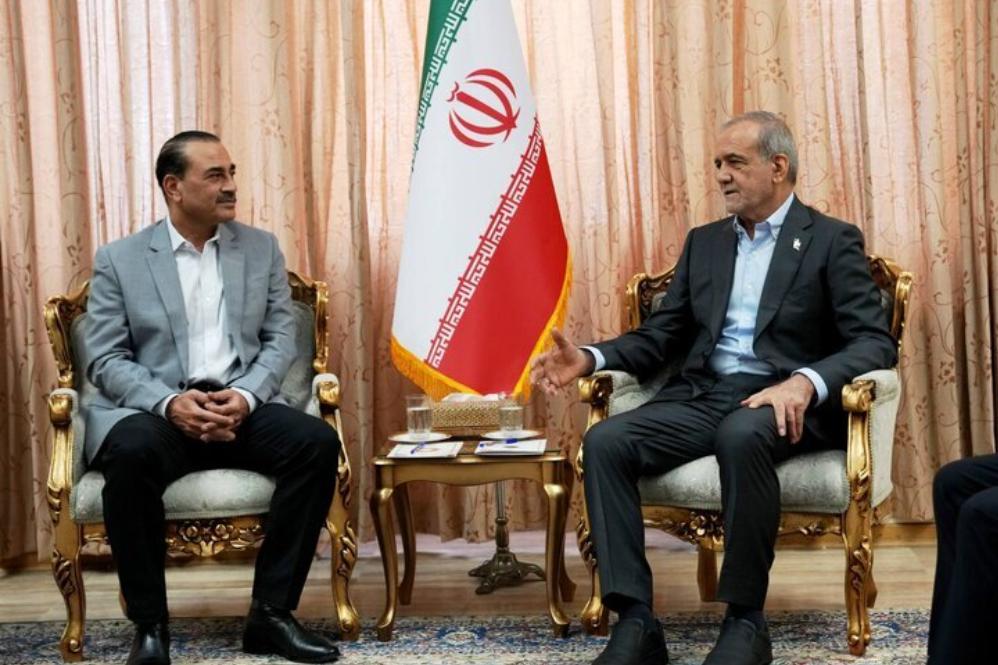
Trump Says Deal With Iran, Strait Of Hormuz Opening Are Largely Negotiated
34 sources compared

Trump Says U.S. and Iran Are Near a Deal to Reopen Strait of Hormuz
47 sources compared

Asim Munir Wraps Tehran Visit as Iran Says U.S. Talks Reach Final Stages
33 sources compared