
Trump Says U.S. and Iran Are Near a Deal to Reopen Strait of Hormuz
Key Takeaways
- Trump says the Iran deal is largely negotiated; final details are being discussed.
- The deal would reopen the Strait of Hormuz.
- Mediators including Qatar drive regional diplomacy toward a breakthrough.
Deal nears, Hormuz at core
President Donald Trump said an agreement with Iran has been "largely negotiated" and that "Final aspects and details of the Deal are currently being discussed, and will be announced shortly," as talks continue after a ceasefire in early April.
Trump also said the deal would include reopening the Strait of Hormuz, while Iranian foreign ministry spokesman Esmaeil Baqaei told state television that US and Iranian positions had been converging in the last week but warned that did not mean agreements would be reached on key issues and accused the Americans of "contradictory statements".
Iranian officials framed the talks as a 14-point memorandum of understanding, with Baqaei saying the intention was to reach an agreement "in the form of a framework, consisting of 14 points" and that further talks could be held within 30 to 60 days.
The dispute over the strait is tied to Iran’s claims of control, with Iran saying all transit through the strait "requires coordination with and authorisation from the Persian Gulf Strait Authority" while the US and Gulf allies have repeatedly rejected Iranian attempts to assert control.
The US has blockaded Iranian ports since 13 April, and US Central Command said it had redirected 100 vessels, disabled four, and allowed 26 humanitarian aid ships to pass since the blockade began.
Rubio, Wicker and competing red lines
As diplomacy advanced, CBS News reported that Trump said the US would only sign an agreement "if we get everything we want," while Iran disputed Trump’s contention that the Strait of Hormuz would be fully reopened.
In a statement released by Iran’s semi-official Fars News Agency, Iran said that "in the event of a possible agreement, the Strait of Hormuz will still be under Iranian management," and it alleged that even if ship traffic returned to prewar levels, it would not mean "free passage" to the pre-war situation.

Secretary of State Marco Rubio warned that the US and allies must have a "Plan B" if Iran refuses to reopen the strait, and he also said at a NATO foreign ministers meeting in Sweden that "Iran is trying to create a tolling system."
Rubio’s stance was echoed by CNBC, which quoted him saying, "No one in the world is in favor of a tolling system. It can't happen [and] it would be unacceptable," while Trump told reporters, "We want it open. We want it free. We don't want tolls. It's international."
Skepticism also came from within the US political establishment, with CBS News quoting Senate Armed Services Committee chairman Roger Wicker calling the rumored 60-day ceasefire "a disaster" and writing that "Everything accomplished by Operation Epic Fury would be for naught!".
Tolls, maps, and what’s at risk
Beyond the negotiating language, the sources describe a widening fight over how the Strait of Hormuz would be managed, including Iran’s creation of the Persian Gulf Strait Authority and its push for authorization and permits for transit.
Euronews reported that Iran published a map defining its claimed management zone from Kuh-e Mobarak to the south of Fujairah and from the end of Qeshm Island to Umm al-Quwain, and it said Bahrain, Kuwait, Qatar, Saudi Arabia and the UAE warned shipping companies through the IMO not to comply.
The Guardian described Qatar sending mediators to Tehran as talks reached a climax, with the aim of signing a memorandum of understanding that would lead to 30 days of talks on Iran’s nuclear programme while deferring discussion of the US demand that Iran hand over its stockpile of highly enriched uranium.
In the same period, the Guardian quoted Rubio saying the US would not accept Iran being given a power to impose tolls on commercial shipping through the strait of Hormuz, and it also quoted Baghaei telling state media that "At this stage, the focus of the negotiations is on ending the war on all fronts" and that claims about nuclear issues were "merely media speculation and lack credibility."
Al Jazeera’s analysis added that before the war, between 120 and 140 ships travelled through the strait each day and that now only a few vessels whose owners have negotiated with the IRGC are permitted to pass, while it said Iran has reportedly charged fees as high as $2m per ship for transit since the war started.
More on Iran
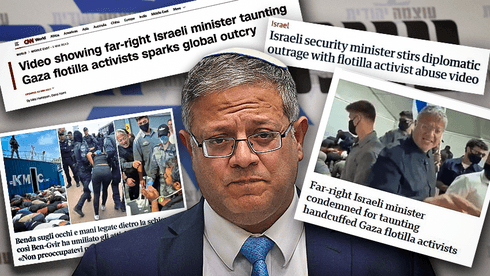
France Bans Itamar Ben-Gvir After Taunting Global Sumud Flotilla Activists
17 sources compared
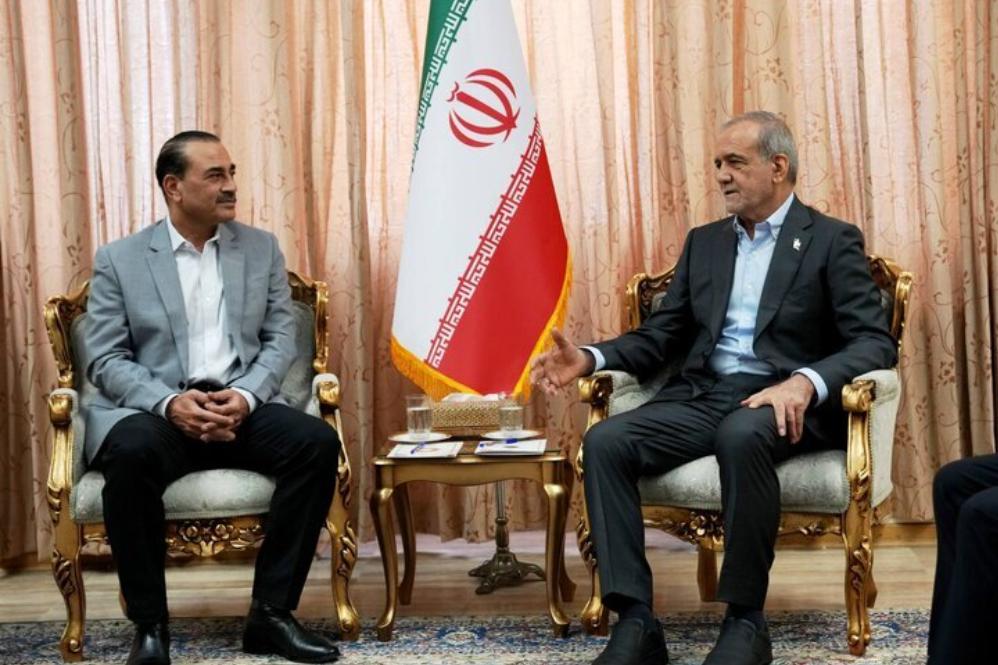
Trump Says Deal With Iran, Strait Of Hormuz Opening Are Largely Negotiated
34 sources compared

Asim Munir Wraps Tehran Visit as Iran Says U.S. Talks Reach Final Stages
33 sources compared

Asim Munir Concludes Iran Talks, Pakistan Says ‘Encouraging Progress’ Toward US Ceasefire
27 sources compared