
Trump Says U.S.-Iran Peace Deal Largely Negotiated, Strait Of Hormuz To Open
Key Takeaways
- Trump said the U.S.-Iran peace deal was largely negotiated.
- Strait of Hormuz would be reopened as part of the deal.
- Final aspects were under discussion and to be announced shortly.
Deal nears, Strait disputed
President Donald Trump said a U.S.-Iran peace deal was "largely negotiated" and that "the Strait of Hormuz will be opened," as he described calls from the Oval Office with leaders including Saudi Arabia’s Mohammed bin Salman Al Saud and Israel’s Benjamin Netanyahu.
NBC News reported that officials from the U.S. and Iran were nearing a deal to end the conflict after a fragile, almost two-month ceasefire, and it cited Trump’s Truth Social post saying an agreement was "subject to finalization" between the United States and the Islamic Republic of Iran.
Iran’s state-affiliated Fars news agency rejected Trump’s characterization, saying the Strait of Hormuz would remain under Iran’s management and dismissing the reopening claim as "incomplete and inconsistent with reality."
The dispute over Hormuz control sits alongside a broader negotiating timeline described by NBC News, which said Iran’s Foreign Ministry spokesperson Esmail Baghaei described a plan to draft a memorandum of understanding and then continue discussions to finalize the agreement in a timeframe of 30 to 60 days.
Threats, odds, and lawmakers
Even as Trump signaled momentum toward a deal, he told Axios there was a "50/50" chance of making a "good" deal or "blow[ing] them to kingdom come," and NBC News said he might decide by Sunday whether to resume the war.
Secretary of State Marco Rubio told reporters in India that "there may be news later today" regarding Iran, while Iran’s Foreign Ministry spokesperson Esmail Baghaei said the positions of the U.S. and Iran in negotiations "have become closer, but not to the point of an agreement."

In Washington, Sen. Roger Wicker warned that a rumored 60-day ceasefire would be "a disaster," writing that "Everything accomplished by Operation Epic Fury would be for naught!"
Sen. Lindsey Graham argued that if a deal is struck while Iran still has the capability to destroy major Gulf oil infrastructure, then "Iran will be perceived as being a dominate force requiring a diplomatic solution," and he called it "a nightmare for Israel."
What’s at stake next
The negotiations are framed as a race between diplomacy and renewed pressure, with Al Jazeera describing a memorandum of understanding that could include ending the war, lifting the siege, opening the Strait of Hormuz, and withdrawing U.S. forces from the war theater.
Al Jazeera also said the Iranian Foreign Ministry spokesperson Ismail Bagai stated the memorandum includes 14 provisions to end the war, with details discussed within a period of 30 to 60 days, while it described the nuclear file as separate because it "does not include nuclear issues" in the memorandum.
CNN reported that Trump’s claims of a negotiated deal were accompanied by Israel’s concern that an interim agreement could extend the ceasefire, open the Strait of Hormuz, and gradually ease sanctions without addressing "Tehran’s nuclear program and enriched uranium," as an Israeli source said.
The stakes extend beyond diplomacy into regional security and energy access, with the BBC’s scenario analysis describing how Trump’s proposed blockade of the Strait of Hormuz could increase the risk of confrontation even if the parties do not intend it, and quoting Behnam Ben Taleblu saying, "The chances of reaching an agreement were almost nil from the start."
More on Iran
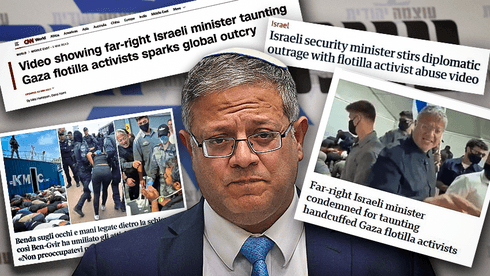
France Bans Itamar Ben-Gvir After Taunting Global Sumud Flotilla Activists
17 sources compared
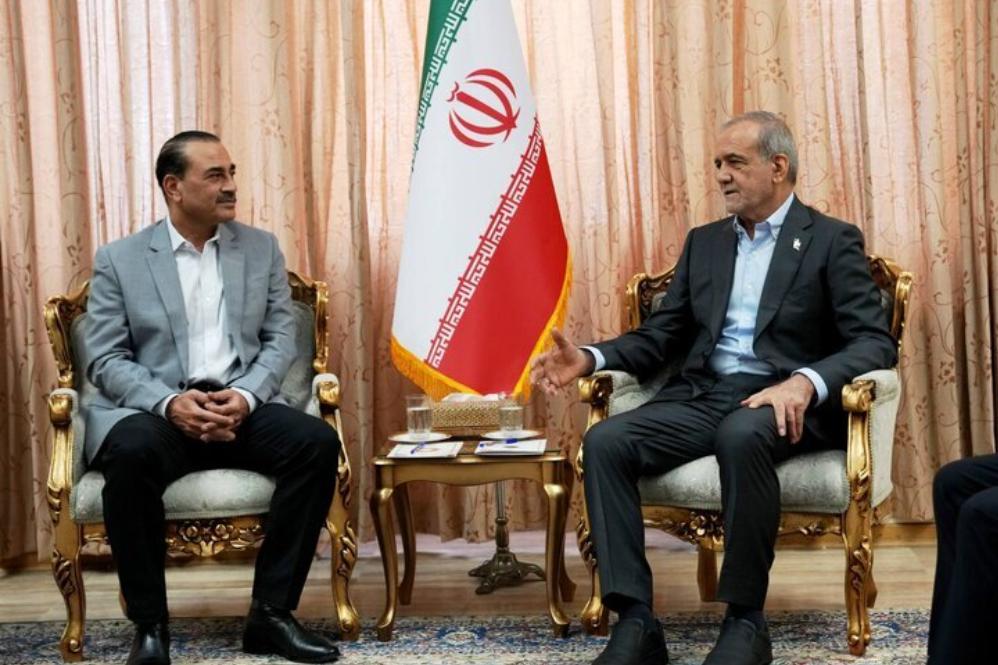
Trump Says Deal With Iran, Strait Of Hormuz Opening Are Largely Negotiated
34 sources compared

Trump Says U.S. and Iran Are Near a Deal to Reopen Strait of Hormuz
47 sources compared

Asim Munir Wraps Tehran Visit as Iran Says U.S. Talks Reach Final Stages
33 sources compared