
U.S. Approves $11.1 Billion Arms Sale to Taiwan, China Calls It Grave Violation
Key Takeaways
- U.S. approves approximately $11.1 billion in arms sales to Taiwan.
- Largest-ever U.S. weapons package to Taiwan, surpassing previous approvals.
- China condemns the sale and voices strong opposition.
US arms greenlight
In the night between Wednesday and Thursday, the U.S. State Department announced its approval of a sale of arms to Taiwan for more than 11,1 miliardi di dollari, a move that the Il Sole 24 ORE report says promptly triggered China’s irritation.
“AGI - Tough on the restless Latin American neighbors, soft on the Chinese”
Il Sole 24 ORE links the decision to “forti tensioni” not only between Pechino and Taipei but also between Pechino and Tokyo, after Japan’s premier Sanae Takaichi took a position on Chinese threats toward the island in the previous November.
The Il Sole 24 ORE account says the Taiwan Defense Ministry described the package as composed of eight agreements covering 82 systems of High-mobility artillery rocket system (Himars) and 420 Army tactical missile system (Atacms), with a value above 4 miliardi di dollari, plus a second large order for 60 howitzer semoventi for another 4 miliardi di dollari.
In the same Il Sole 24 ORE report, a Chinese Foreign Ministry spokesperson is quoted saying the U.S. move is “una grave violazione” of the principle of “una sola Cina,” and that it also harms peace and stability in the region.
Il Sole 24 ORE adds that the spokesperson said the strategy of “usare Taiwan per contenere la Cina è assolutamente destinata a fallire”.
Beijing and Taipei clash
The L'Unità report frames the arms sale as a “record $11 billion weapons sale” and says Taipei announced the agreement while it awaited only U.S. Congress approval, with the island’s Ministry of Foreign Affairs stressing bipartisan support.
L'Unità reports that the package includes 82 HIMARS, 420 ATACMS, and 60 self-propelled howitzer systems, along with helicopter spare parts, Javelin missiles, and various kinds of military software.
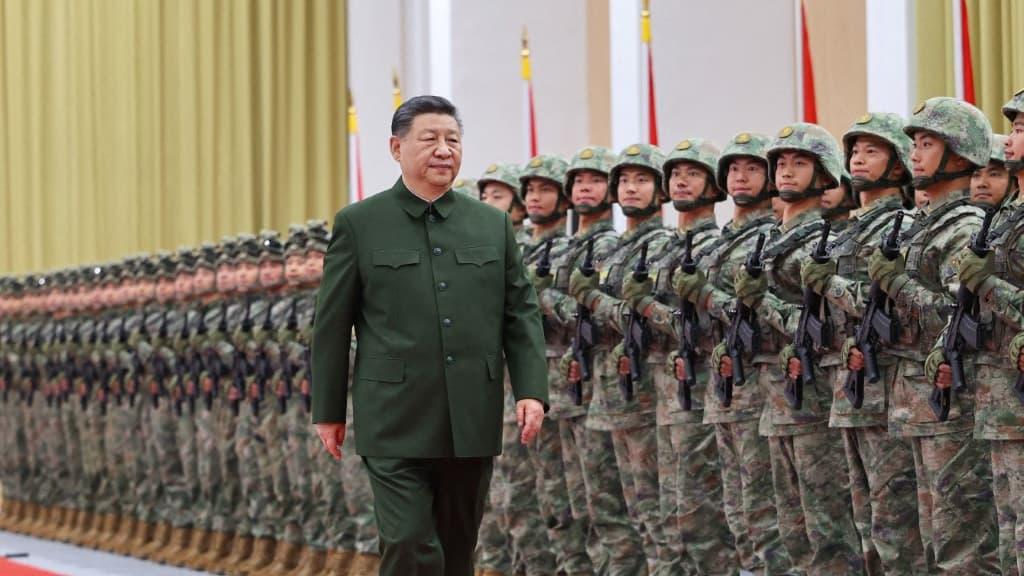
In response, L'Unità quotes Foreign Ministry spokesperson Guo Jiakun urging the United States to respect the One China principle and to immediately stop dangerous arms actions supporting Taiwan.
Guo Jiakun is quoted by L'Unità saying, “Any attempt to use Taiwan to contain China is bound to fail,” while also warning that the Taiwan Strait could move toward “una pericolosa” state of military confrontation and war.
Separately, AGI reports that the Pentagon’s new strategic document aims to establish “strategic stability” in the Indo-Pacific region and reduce tensions with the Chinese armed forces, while also stating the U.S. armed forces “will erect a solid defense along the First Island Chain.”
Rallies and the next moves
Al Jazeera says thousands rallied in Taipei to boost defence spending amid China tensions after a U.S. military official said Washington is pausing a $14 billion arms sale to Taiwan to conserve munitions for its war on Iran.
“At the end of the 1990s, Chinese military spending stood at about $35 billion”
The Al Jazeera report ties the protest to growing military pressure from China, which considers the self-ruled island its own territory, with demonstrators urging stronger deterrence.
AGI adds that the Pentagon’s document is published as President Trump prepares for an anticipated April summit with Chinese leader Xi Jinping, while the White House seeks to lower tensions over Taiwan.
AGI also says the Pentagon strategy does not explicitly mention Taiwan, but it states the U.S. armed forces will erect a solid defense along the First Island Chain, and it describes an intention to open a broader range of military-to-military communications with the People’s Liberation Army.
AGI quotes Zach Cooper, a senior fellow at the American Enterprise Institute, saying, “Beijing will not accept any significant crisis-management mechanism,” and adds that he expects China would prefer to increase the risk for U.S. forces operating off the Chinese coast.
More on China

Gas Explosion At Liushenyu Coal Mine In Shanxi Kills At Least 82
16 sources compared
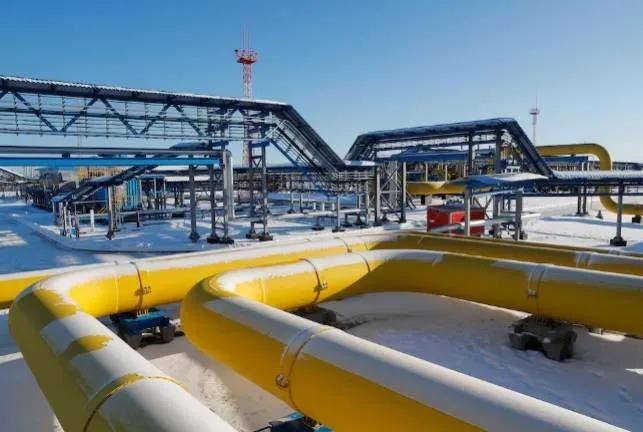
Putin Leaves Beijing After Talks With Xi Fail to Secure Power of Siberia 2 Approval
10 sources compared
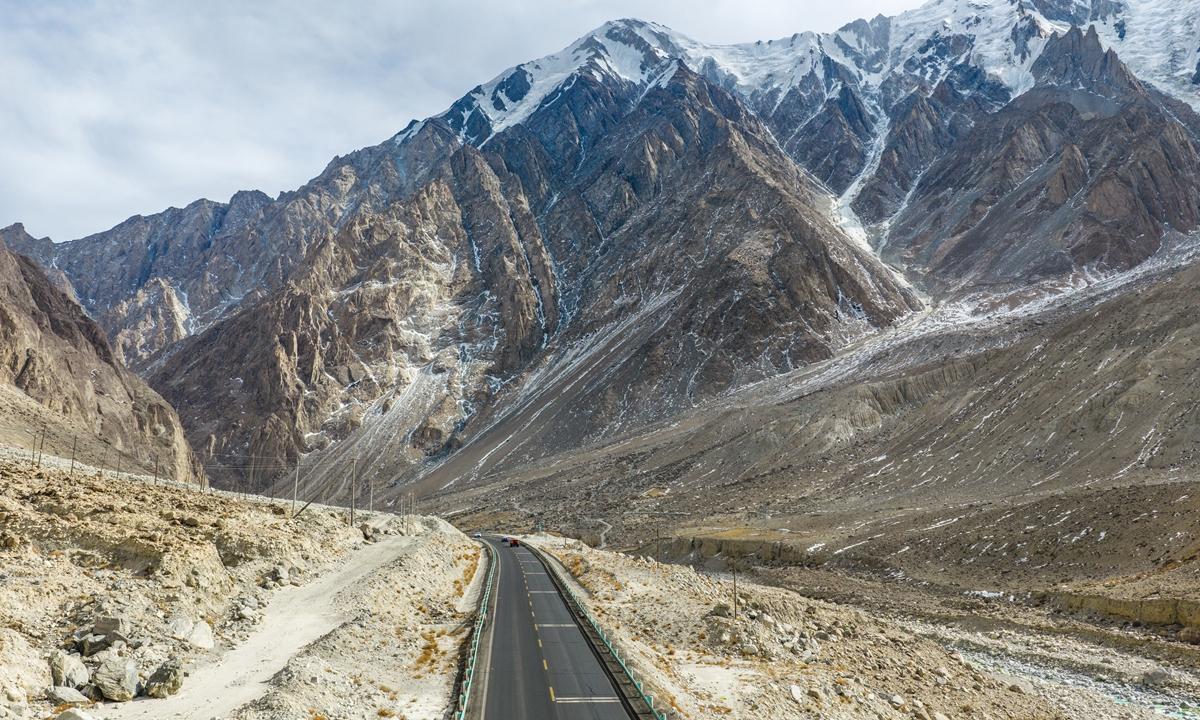
Xi Jinping and Asif Ali Zardari Mark 75 Years of Pakistan-China Diplomatic Relations
16 sources compared
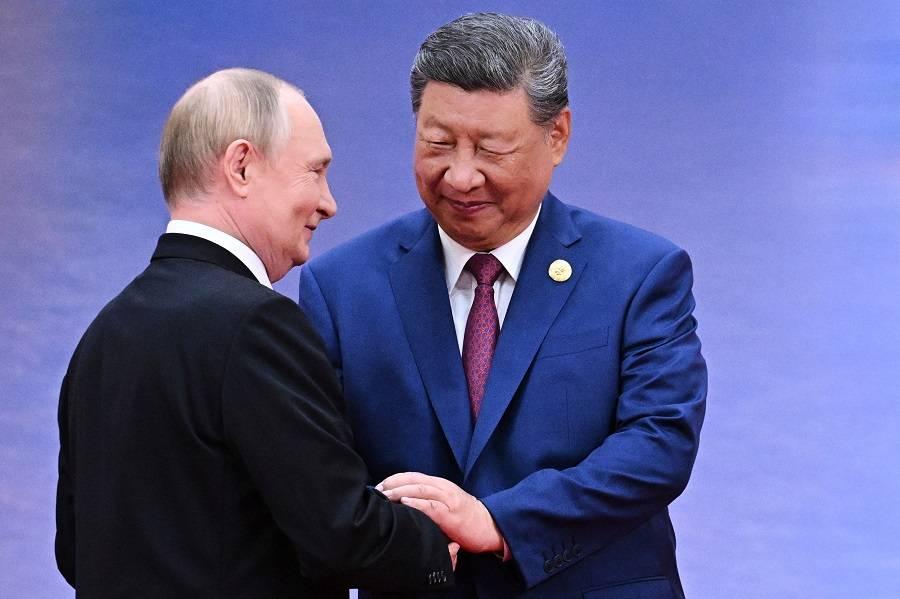
Putin and Xi Fail To Sign Off Power Of Siberia 2 Pipeline In Beijing
17 sources compared