Technology and Science14 September, 20262 min read
Volkswagen Unveils Mission Efficiency EV Prototype With Three World Records
This article is an automated aggregation of coverage from news outlets. Our editorials offer in-depth analysis curated by the NewsCord team.
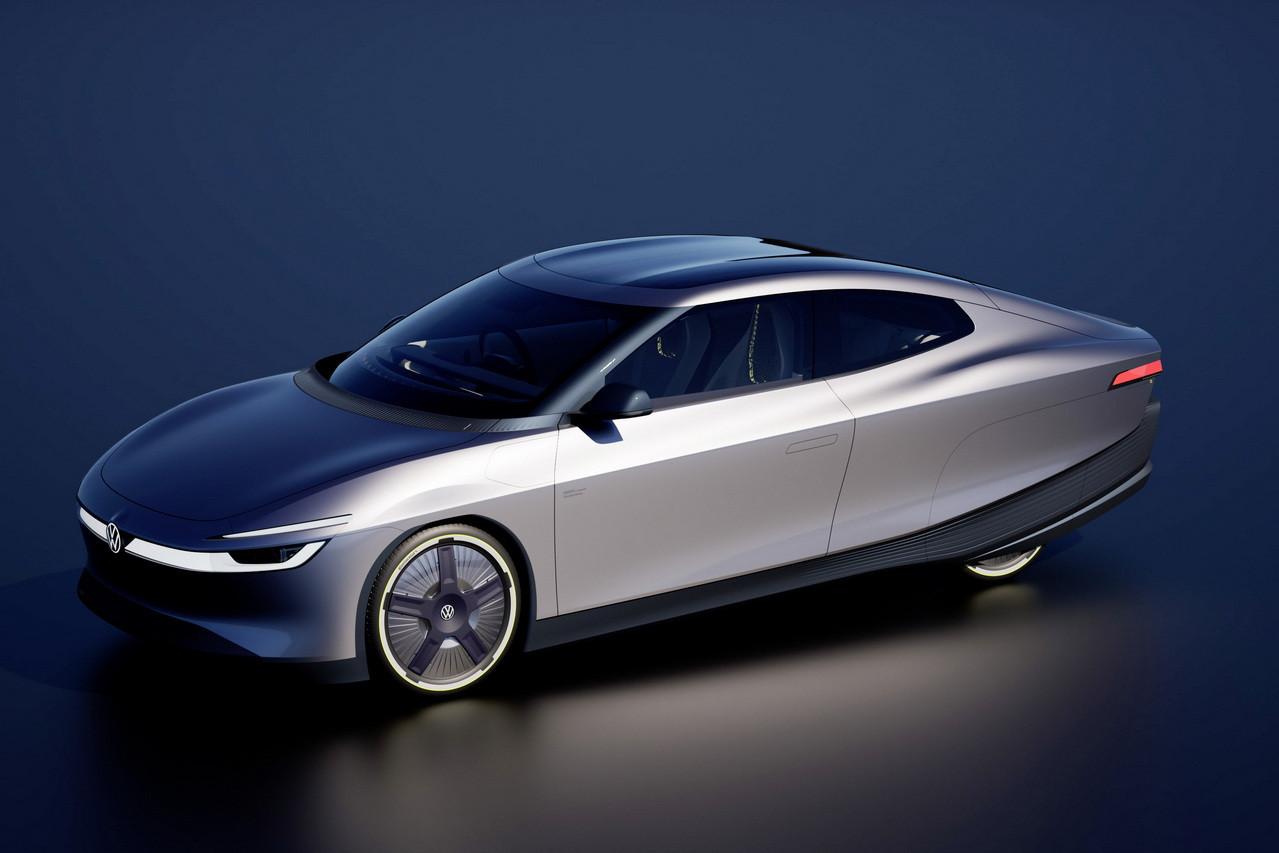
Mission Efficiency is a near-production electric prototype based on the ID. Polo platform. It set three world records for aerodynamics, efficiency, and overall road-legal performance (Cd 0.158; 6.48 kWh/100 km).
Three records, one route
Volkswagen unveiled the Mission Efficiency, a near-production electric vehicle prototype that it says has set three world records for road-approved aerodynamics and energy consumption. The company claims a drag coefficient of 0.158 and reports that, in an “ideal trip” at a constant 68 km/h with no positive elevation and auxiliary consumers such as air conditioning switched off, the prototype consumed 6.48 kWh per 100 km. For a longer, documented run, Volkswagen says it drove the car from its development center in Wolfsburg to Vienna via Poznań, Poland, and Olomouc, Czech Republic, covering 1,278.36 km at an average speed of 67.72 km/h.
On that endurance route, Volkswagen reports an actual consumption of 7.51 kWh/100 km including charging losses, or 6.89 kWh/100 km excluding charging losses, and says the 54.9 kWh net battery was recharged only once. When it arrived in Vienna, Volkswagen says the Mission Efficiency still had a remaining range of 164 km.

Production tech, not exotic
Volkswagen positions the Mission Efficiency as an efficiency showcase built on high-volume, competitive solutions drawn from the ID.Polo and ID. Cross, rather than “highly specialized technologies.”
Thomas Schäfer, Chief Executive of the Volkswagen AG Board, said: "This vehicle set three world records not thanks to highly specialized technologies, but by relying on high-volume, competitive solutions drawn from the ID.Polo and ID. Cross".

The prototype is described as resting on the MEB front-drive platform and using a 135 hp (99 kW) electric motor with the high-voltage battery from the Volkswagen ID. Polo.
Volkswagen also ties the efficiency to aerodynamics, saying the Mission Efficiency combines a drag coefficient (Cx) of 0.158 with a reduced frontal area of 2.08 m² and uses three active cooling flaps integrated flush with the body in the front.
In the same description, Volkswagen says the fully enclosed underbody and fully wheel-covered rear wheels help limit aerodynamic turbulence and reduce energy losses.
Design choices and stakes
Volkswagen’s design narrative for the Mission Efficiency centers on functional aerodynamics, with Andreas Mindt, Head of Design, saying: "The car’s silhouette meets functional and aerodynamic requirements without compromise." The company links that silhouette to its styling language, stating that the Mission Efficiency concept car adheres to Volkswagen Pure Positive design language. In the technical description, Volkswagen says the three active cooling flaps can open or close individually or in combination at different opening levels, and that whenever possible only the strictly necessary opening area is used to minimize air resistance.
“The car’s silhouette meets functional and aerodynamic requirements without compromise.”
Volkswagen also describes the vehicle’s teardrop taper and fully wheel-covered rear wheels as part of an architecture that “limits the formation of aerodynamic turbulence and reduces energy losses,” while the fully enclosed underbody is presented as a benchmark-setting element. The Mission Efficiency is framed as a preview of what Volkswagen is embedding in its next generation of electric vehicles, with the prototype’s records presented as evidence of “the full efficiency potential we are embedding in the new generation of our electric vehicles.”