Britain20 April, 20268 min read
12 UK Universities Paid Horus Security To Monitor Pro-Palestine Student Protests
This article is an automated aggregation of coverage from news outlets. Our editorials offer in-depth analysis curated by the NewsCord team.
Twelve UK universities paid Horus Security Consultancy to monitor pro-Palestine protests. Total payments to Horus Security Consultancy exceed £440,000.
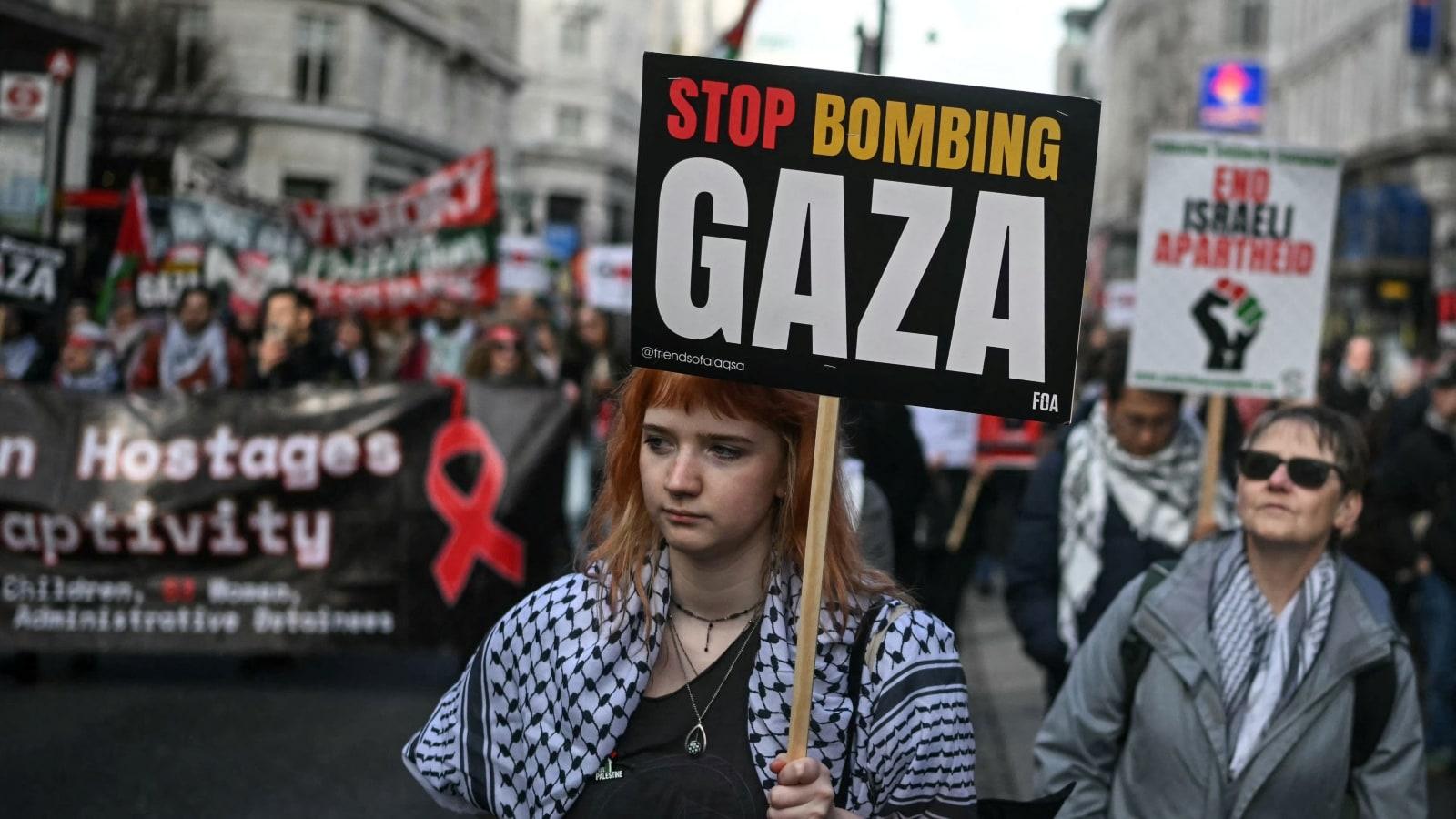
Horus paid to monitor
A joint investigation by Al Jazeera English and Liberty Investigates says 12 UK universities paid a private firm, Horus Security Consultancy Limited, to monitor student activism and campus protest movements, including pro-Palestine demonstrations. The Times of India reports that the firm was paid at least £443,943 between January 2022 and March 2025, and that the investigation was based on freedom of information requests sent to more than 150 universities. The report says Horus Security Consultancy Limited gathered information from student social media and carried out counter-terror threat assessments on behalf of several institutions, and that there is “no suggestion that the activity was illegal.”
The Jagonews24 account similarly says the company has received at least £440,000 from UK universities since 2022 for intelligence and risk assessment services linked to student protests and campus security monitoring. The Bristol Cable adds that at least 12 British universities paid Horus Security to monitor campus protest activity, “some since 2022,” and that Horus “is sending senior staff regular insight reports.” In Bristol, the Cable reports the University of Bristol paid at least £8,700 between 2024 and 2025, and that internal emails show the university requested and paid for a “bespoke” alert service covering “anything related to proposed student protest… encompassing all protest activity across the city.”
FOI documents and named cases
The investigation described in the Times of India and the Bristol Cable centers on how Horus compiled information from student social media and then delivered briefings to university security teams. The Times of India says the firm tracked a range of individuals, including “a Palestinian academic invited to speak at Manchester Metropolitan University” and “a pro-Gaza PhD student at the London School of Economics.” It also reports that in one case internal emails showed the University of Bristol provided Horus with “a list of student protest groups in October 2024” and requested alerts about their activities, including “pro-Palestinian and animal rights activists.”
The Bristol Cable provides the same Bristol thread in more detail, saying that in October 2024 a University of Bristol staff member requested monitoring of groups including “Camp Beagle, Free the MBR Beagles, MBR Suppliers, Vivisection exposed, Liberate or Die, and Animal Rising.” It also says Bristol received “encampment updates” in May and June 2024 tracking students involved in an encampment organised by Bristol Occupy for Palestine. It adds that between October 2024 and March 2025, Horus sent Bristol 21 weekly “Insight” briefings.

The Times of India further identifies a specific student, Lizzie Hobbs, and says a briefing sent on June 18, 2024 included a social media post she had written a day earlier. The Times of India says “encampment updates” were compiled by Horus and sold to universities for £900 per month.
Threat assessments and quotes
Beyond protest-group tracking, the investigation described in the Times of India says Horus was also asked to conduct counter-terror threat assessments tied to the UK’s Prevent programme.
The Times of India reports that Palestinian-American academic Rabab Ibrahim Abdulhadi was subjected to a counter-terror “threat assessment” before a lecture at Manchester Metropolitan University in 2023.
It says the university asked Horus on April 6, 2023 to assess the 70-year-old scholar ahead of her planned talk, and that the request was made under obligations linked to the UK’s Prevent programme.
Abdulhadi told Al Jazeera: “You’re supposed to be innocent until proven guilty … but they actually made an assumption of guilt and started investigating me because of my scholarship.”
She added: “What am I supposed to study and teach about to avoid this unwarranted, unfair and unjust scrutiny and surveillance?”
The Times of India also quotes Lizzie Hobbs, saying it was “shocking to see how systematised it is,” and that it was “deeply scary” to see how much money universities were willing to spend on such monitoring.
The Bristol Cable includes an email exchange in which a University of Bristol employee writes to the Horus Insight team, “Last one today, honest. Could you also add [redacted] to the circulation for Bristol,” and signs off with “Our senior team are delighted with the briefing.”
The Cable also says the director of Horus Global has called for non-British protesters who “misbehave” to be deported.
Universities defend, critics react
The investigation also includes direct defenses from universities and direct criticism from rights advocates and unions.
The Times of India says the University of Sheffield said it uses such tools to “horizon scan” for potential issues like large-scale protests and added it was “incorrect” to suggest this was intended to discourage activism.

It says Imperial College London told the investigation it does not surveil students and uses Horus to “help identify potential security risks to its community,” adding that the information used is drawn from the public domain.
The Times of India also reports that Jo Grady, general secretary of the University and College Union, criticized the practice, telling Al Jazeera it was “shameful” that universities had “wasted hundreds of thousands of pounds spying on their own students.”
UN special rapporteur Gina Romero raised legal concerns, telling Al Jazeera: “The use of AI to harvest and analyse student data under the guise of open source intelligence raises profound legal concerns,” and warning that such practices allow large amounts of data to be collected without public oversight.
Romero also described the situation as contributing to a “state of terror” among some student activists, saying: “Most students I have reached out to are experiencing psychological trauma, mental exhaustion, and burnout … many of them are leaving activism altogether,” and the Times of India quotes her directly.
The Bristol Cable frames the same dispute through student and union perspectives, saying the revelations are “unsurprising to student protesters and university union reps,” and quoting Rainbow: “It’s very on brand for the uni to do this kind of thing. I’m not surprised at all.”
Rainbow added: “Bristol is part of the imperialist war machine,” and said the university was trying to stop students, “18 and 19 year olds,” from confronting it.
Different outlets, different emphasis
While all three reports describe the same core allegation—universities paying Horus to monitor protest activity—the outlets emphasize different details and frame the story differently. The Times of India foregrounds the total spend and the breadth of institutions, listing universities including the University of Oxford, Imperial College London, University College London, King’s College London, University of Sheffield, University of Leicester, University of Nottingham and Cardiff Metropolitan University, and it says the firm was paid at least £443,943 between January 2022 and March 2025. Jagonews24 similarly focuses on the £440,000 figure, stating the company has received at least £440,000 ($594,000) from UK universities since 2022, and it describes Horus as “a private intelligence consultancy led by former military officials.”
The Bristol Cable, by contrast, concentrates on Bristol-specific internal communications and protest context, beginning with “late May 2024” and students camped for weeks in the University of Bristol’s Royal Fort Gardens demanding the institution cut ties with companies linked to Israel’s genocide on Gaza. The Cable quotes an email exchange and reports that Horus sent Bristol 21 weekly “Insight” briefings between October 2024 and March 2025, and it also describes the university requesting a “bespoke” alert service for “anything related to proposed student protest… encompassing all protest activity across the city.” The Times of India includes a detailed case involving Lizzie Hobbs and the London School of Economics, saying a briefing sent on June 18, 2024 included a social media post she had written a day earlier, and it also includes the Abdulhadi Prevent-linked threat assessment with the April 6, 2023 request.
The Bristol Cable also includes Horus leadership background, saying Colonel Tim Collins became director in 2020 and describing his public blame of pro-Palestine demonstrations on a “Russian-Iranian orchestrated media campaign.” Across the accounts, the same underlying dispute—whether this is security work based on public information or surveillance of political activity—appears in different language, with the Times of India reporting universities said it was “incorrect” to suggest the tools were intended to discourage activism and the Bristol Cable quoting Rainbow saying it was “very on brand for the uni to do this kind of thing.”
What happens next
The sources describe immediate and longer-running implications for UK universities, student rights, and the use of private intelligence services. The Times of India says the investigation was based on freedom of information requests sent to more than 150 universities and that seven universities refused to share details of the briefings they received, citing confidentiality or commercial sensitivity. It also reports that the request for Abdulhadi’s threat assessment was made under obligations linked to the UK’s Prevent programme, which requires universities to assess risks related to external speakers.
The Jagonews24 account adds that UK universities are required under the Counter-Terrorism and Security Act 2015 to assess risks linked to extremist influence on campuses under Prevent, while critics argue the framework can lead to disproportionate scrutiny of political expression. The Times of India quotes Gina Romero warning that the use of AI to harvest and analyse student data raises “profound legal concerns,” and it says she warned such practices allow large amounts of data to be collected without public oversight. Romero’s quote also describes psychological fallout, with her saying “Most students I have reached out to are experiencing psychological trauma, mental exhaustion, and burnout … many of them are leaving activism altogether.”
The Bristol Cable adds that student protesters and university union reps view the revelations as a worrying sign that British universities might be willing to engage in repression against international students, and it links the debate to pro-Palestine protests and deportation pressures in the US. The Bristol Cable also points to a separate controversy involving a check-in attendance app and a campaign in early 2025 calling for students to boycott it. Across the accounts, the next steps described in the sources are a continuing dispute over oversight, proportionality, and whether universities should continue using Horus services for “counter-terror” threat assessments and protest-related “Insight” briefings.