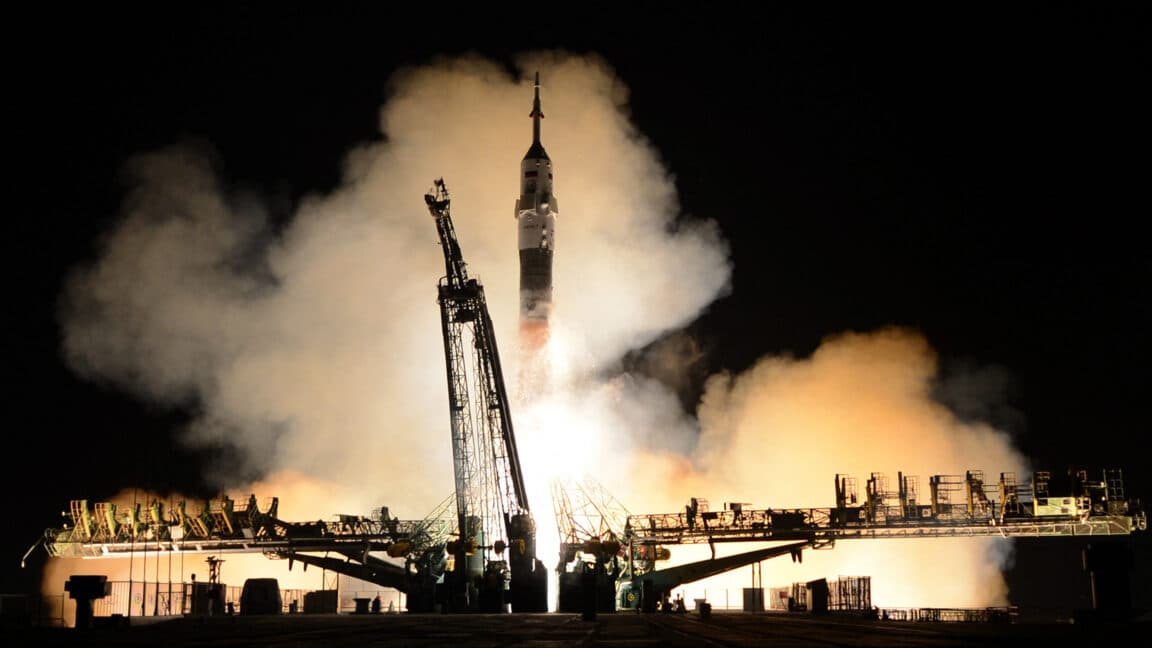
A century after the first rocket launch, Ars staffers pick their favorites
Key Takeaways
- Goddard launched the world's first liquid-fueled rocket in 1926, named Nell.
- The Nell flight reached 41 feet and lasted 2.5 seconds before striking ice and snow.
- Ars staffers select their favorites from a century of rocket milestones.
Centennial rocket intro
Robert Goddard, a Massachusetts-born physicist, launched the world’s first liquid-fueled rocket on this date 100 years ago.
“Robert Goddard, a Massachusetts-born physicist, launched the world’s first liquid-fueled rocket on this date 100 years ago”
Flight details of Nell
It was not an overly impressive flight.
The rocket, fueled by gasoline and liquid oxygen, rose just 41 feet into the air, and the flight lasted 2.5 seconds before it struck ice and snow.
Significance and timeline
Nevertheless, this rocket, named “Nell,” represented a historic achievement that would help launch the modern age of spaceflight.
“Robert Goddard, a Massachusetts-born physicist, launched the world’s first liquid-fueled rocket on this date 100 years ago”
Three decades later, the first objects would begin to ride liquid-fueled rockets into space, followed shortly by humans.
A little more than 40 years would pass before humans walked on the Moon.
Endeavour launch experience
In February 2010, I was lucky enough to attend the penultimate night launch of the shuttle program, STS-130.
This mission was a major ISS assembly flight, carrying both Node 3 and Cupola to the ISS.
This one had nothing to do with me—instead, I was there as a plus-one for my wife, who had worked on Node 3 at Boeing and who had been invited to witness the hardware she’d worked on finally fly.
More on Technology and Science

Facebook launches Creator Fast Track, guaranteeing up to $3,000 monthly for three months.
10 sources compared

Meningitis B outbreak in Kent triggers vaccination of about 5,000 University of Kent students
32 sources compared

Nintendo Switch 2 Enables Original Switch Games to Run at 1080p in Handheld Mode
11 sources compared

Argentina Exits WHO Under President Javier Milei
23 sources compared