Ahmed al-Sharaa Visits Deir Ezzor After Euphrates Floods Displace Thousands
Key Takeaways
- Ahmed al-Sharaa visited Deir Ezzor to oversee disaster relief operations.
- About 2,400 families were displaced or affected by the Euphrates floods.
- Authorities deployed emergency response, evacuations, and damaged water stations amid rising river levels.
Euphrates surge hits Deir Ezzor
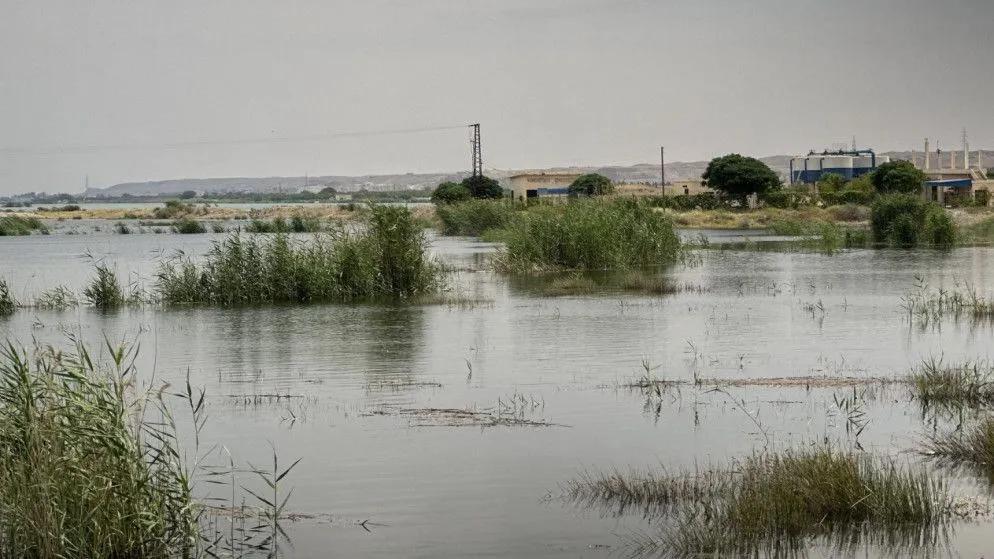
Syria’s interim President Ahmed al-Sharaa visited Deir Ezzor province on Friday to “assess conditions and review humanitarian needs” after surging Euphrates waters caused floods, a bridge collapse, and evacuations across north-eastern Syria.
The National said the military was called in after heavy rain pushed the Euphrates to its limits, and it reported that an earthen bridge over the Euphrates in Deir Ezzor collapsed due to high waters.

Middle East Eye reported that the surge began on 26 May and affected more than 2,400 families in Deir Ezzor province, inundating villages and damaging farmland while disrupting access to essential services.
Middle East Eye also said Syria’s Ministry of Energy attributed the flooding to “the abundance of the current rainy season and the opening of floodgates at dams located along the river in Turkish territory,” and it said the ministry opened three spillway gates at Syria’s Euphrates Dam for the first time in more than 30 years.
The National added that civil defence workers said on Thursday that three children had drowned and another was missing after they went swimming in the flooded Euphrates river in Syria, defying official warnings.
Warnings, evacuations, and response
Middle East Eye said that in the early hours of the flooding, three children died after swimming in the Euphrates despite repeated warnings by Syria’s Emergency and Disaster Management Minister Raed al-Saleh.
In a video posted on X, Mohammad al-Bashir, the Minister of Energy, said that “water levels along the Euphrates River are gradually improving following technical measures taken at the dam,” and Middle East Eye reported that authorities would continue monitoring conditions until levels returned to normal.

The New Arab said at least 60 water stations have been partially or completely disabled and more than 5,000 dunams of agricultural land have been submerged, while Deir ez-Zor governor Ziad al-Ayesh said an emergency response committee and round-the-clock operations room had been activated.
ARAB NEWS reported that the acute phase had passed and that Raed Al-Saleh confirmed that water levels along the Euphrates had returned to normal with no new flooding recorded, while it described evacuations and temporary shelters in Deir Ezzor.
The National said Syria’s navy was called in on Friday to supply boats for evacuations, and it reported that people were being ferried from bank to bank while other barriers were reinforced.
Dam operations and what’s at risk
The National said the river’s water levels are forecast to reduce in the next two days but the situation remains delicate, and it reported that tankers were delivering drinking water while some water stations were out of action while government workers fortify embankments around them.
The New Arab reported that technical teams at the Euphrates Dam had already reduced discharge by 100 cubic metres per second through partial closure of one spillway gate, with further gradual reductions expected in the coming days.
Middle East Eye said that by Friday the ministry announced that efforts by the Syrian leadership with its Turkish side had “resulted in the start of reducing the quantities of water coming into Syrian territory via the Euphrates river.”
The National also reported that Turkey opened dams to reduce water levels, increasing the flow into Syria, and it quoted Energy Minister Mohammad Al Bashir saying on Thursday that Turkish authorities had agreed to reduce flows.
In the New Arab, Raed al-Saleh acknowledged that Syria previously lacked an effective early warning system, adding that efforts were now underway to develop one capable of delivering timely alerts to residents.
More on Syria
Marco Rubio Ends Tom Barrack’s US Special Envoy Mandate for Syria
11 sources compared
U.S. Bombardments Hit Tabqa Dam, Triggering Fears of Catastrophic Euphrates Flooding in Syria
20 sources compared
Syria Interior Ministry Arrests Former Regime Officer Mohammed Mohsen Nayouf
10 sources compared
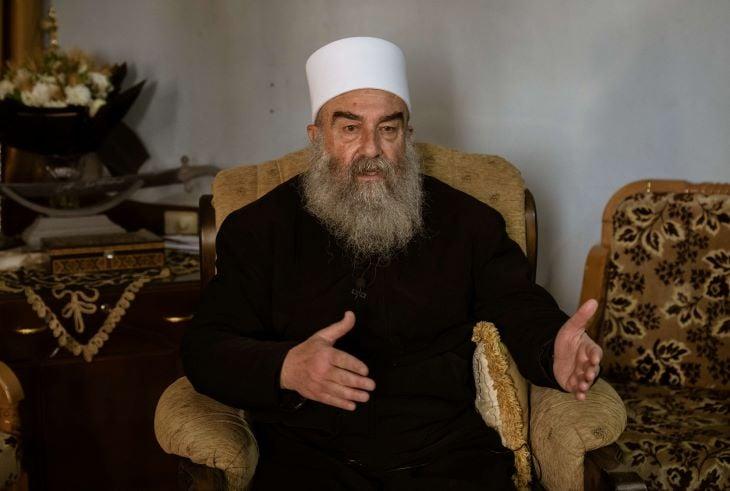
Hikmat Al-Hijri Demands Accountability, Rejects Negotiation Over July 2025 Truce Violations in Suwayda
11 sources compared