Technology and Science30 April, 20267 min read
Apple Reports Record March Quarter Profit as Tim Cook Highlights iPhone and Macbook Neo Demand
iPhone demand drove growth; quarterly revenue reached about $111 billion. MacBook Neo demand boosted revenue, contributing to stronger results.
Record Quarter, New CEO
Apple’s latest earnings results showed a record-setting quarter as the company reported profit of $29.6 billion on revenue of $111.2 billion in the recently ended quarter, while Tim Cook told investors, "Today Apple is proud to report our best March quarter ever." The company said revenue hit a record high for the quarter ending in March, and it also reported that iPhone sales grew double digits in every country where it does business and that its services unit reached an all-time record high, according to Cook. Cook’s remarks came as Apple prepared for a changing of the guard, with Cook to step down as chief executive late this year and John Ternus, 50, set to take over as Apple chief executive in September.
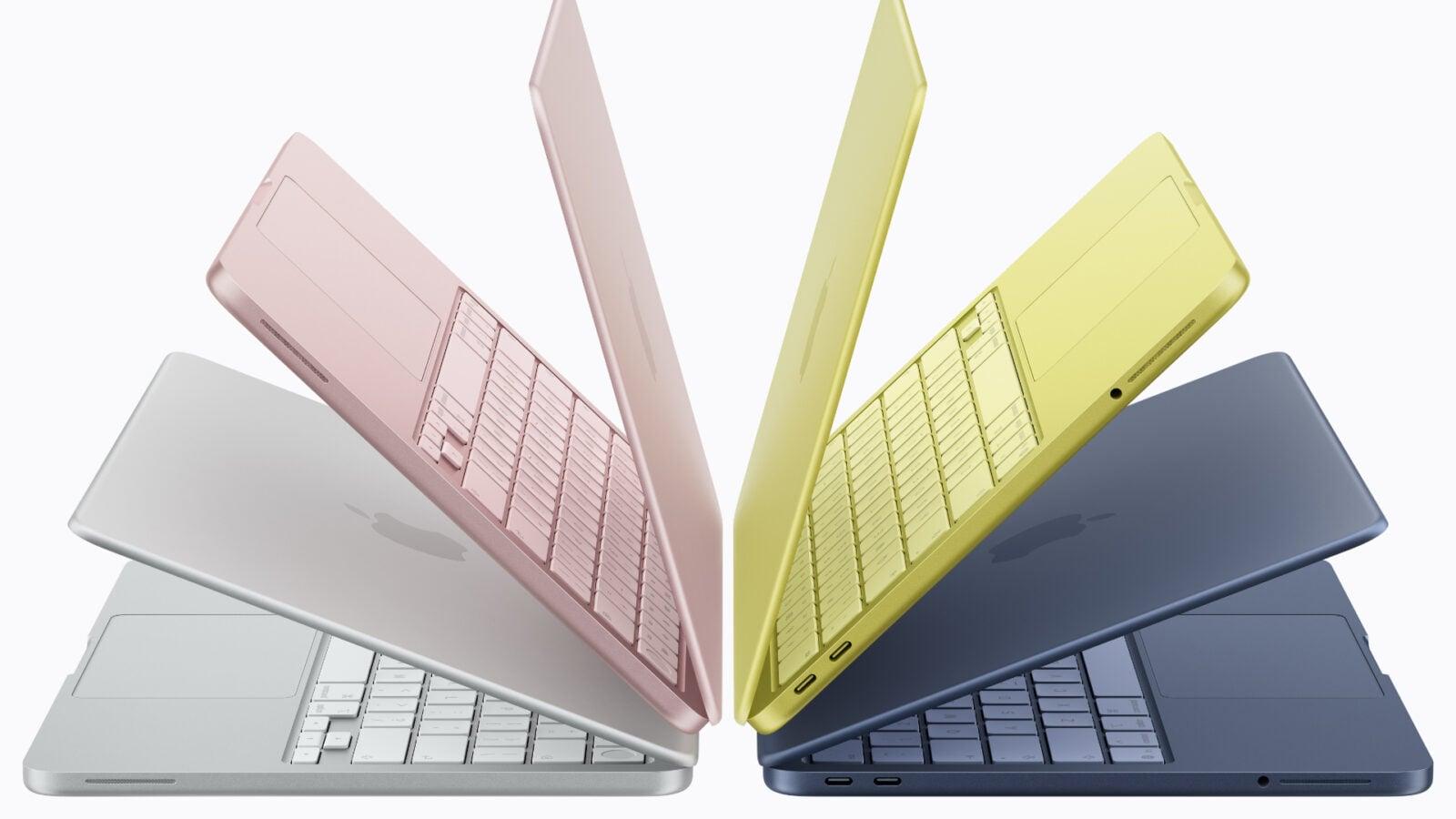
Reuters and other outlets also framed the results as a high point for iPhone demand, with the BBC saying overall sales grew 17% to $111bn (£81bn) in the first three months of the year. In that same BBC account, Cook told analysts on a call that the new Macbook Neo was seeing "off the charts" demand, and he said the quarter set a record for new Mac buyers thanks to the Neo. The BBC also quoted Cook on Apple Intelligence, saying, "This is not AI as a standalone feature, but AI as an essential and intuitive part of our devices," and it added that Apple’s angle on AI is to be "respectful of user privacy."
AI-Driven Mac Shortages
Alongside the headline iPhone and services numbers, Apple’s earnings call also highlighted a supply-demand imbalance in its Mac lineup that multiple outlets linked to AI workloads. Tim Cook told analysts that “Both the Mac mini and Mac Studio, both of these are amazing platforms for AI and agentic tools,” and he said, “And customer adoption of that is happening faster than we expected.” Cook then warned that it could take “several months” for the Mac mini and Mac Studio to achieve supply-demand balance, and he also described the demand signal as exceeding expectations.
The WIRED account tied the shortages to a mix of factors, saying Apple faced supply constraints on both the iPhone and the Mac product line, while Cook made clear that at least two different factors were driving shortages in Apple’s Mac business: the rapid adoption of generative AI and unexpected demand for the company’s new, colorful, and more affordable MacBook Neo laptop. Other reporting sharpened the AI link by describing “local AI models” and the popularity of OpenClaw, with the WIRED piece stating that “Mac Minis began flying off the shelves” because they offer enough power and a dedicated computing environment for agentic AI tasks.

The Seoul Economic Daily similarly said Apple cited limited flexibility in the supply chain for chips, quoting Cook: "Demand was explosive, but there is somewhat limited flexibility in the supply chain to secure additional components." In the same thread of reporting, the Asian outlet mezha.net said Cook told investors that “Both of these platforms are incredibly powerful for AI and agent tools, and recognition by customers is happening faster than we forecast, so demand is higher than expected,” and it added that Apple may need a few months to bring balance between demand and supply for the Mac mini and Mac Studio models.
iPhone, China, and Chip Limits
While Apple’s quarter was described as its best March quarter ever, multiple outlets tied parts of the results to constraints in the supply chain and to regional swings, especially in China. The BBC reported that sales in China were up by 28% compared to a year ago, and it said iPhone revenue growth in that region outpaced all other regions. The Seoul Economic Daily added that iPhone revenue rose 21.7% year-on-year to $56.99 billion, setting a second-quarter record, but it also said the figure fell short of the market forecast of $57.21 billion.
“Sales in China were up by 28% compared to a year ago.”
That same outlet said Apple cited chip supply constraints, explaining that Apple designs its own chips and outsources production to Taiwanese foundry TSMC, and it reported that Apple was unable to secure as many chips as it wanted because major companies including Nvidia flooded TSMC with production requests amid an explosion in AI development demand. The Seoul Economic Daily quoted Cook directly on the supply chain, saying, "Demand was explosive, but there is somewhat limited flexibility in the supply chain to secure additional components," and it also described how Apple reclaimed the top spot in global smartphone sales as iPhone sales in China grew for a second consecutive quarter. It reported that sales in China surged 28% this quarter, following a 38% jump in the previous quarter.
Another outlet, CoinCentral, also described supply constraints and segment misses, saying Apple’s iPhone revenue reached $56.99 billion, slightly below forecasts, and it reported that services revenue rose to $30.97 billion and gross margin improved to 49.3%. In the Gulf News account, the company’s earnings beat was framed alongside investor concerns about AI strategy and leadership shift, including that a promised upgrade to Siri was delayed and that Apple had turned to Google for AI capability.
Roadmap, RAM, and Launch Delays
Beyond the quarter itself, reporting connected Apple’s AI push to component constraints that could affect future Mac launches, including memory shortages. The Objective, in Spanish, said that “La escasez de memoria, impulsada en gran medida por la creciente demanda de soluciones de inteligencia artificial” was questioning the arrival of new Mac models, specifically the Mac Studio and “especialmente, el futuro MacBook Pro con pantalla táctil.” It reported that Apple had kept current models on the market, including the Mac Studio launched in March with chip M4 Max and a price from 2.329 euros, and the MacBook Pro with chips M5, M5 Pro and M5 Max from 1.929 euros.
The Objective also said that Mark Gurman had advanced that some launches could be delayed by “al menos varios meses,” and it described the Mac Studio’s planned upgrade as aiming to prioritize AI and move to the chip M5, with an improved version originally planned for this summer but delayed until October. For the touch model, it said the MacBook Pro with OLED touch screens was pushed back to “inicios del 2027,” and it described the touch format as using “tecnología Tandem OLED” with a chip M6 and an “grosor ultradelgado.”
The same outlet linked the delays to Apple’s unified memory system, stating that the unified memory is integrated directly into the chip and “no es compatible el uso de componentes genéricos,” and it said this dependence on certain elements has “provocado que, ante un problema con el stock, la producción de nuevos modelos se haya frenado.” It also described a broader demand pressure from AI, saying the company must ensure it has enough stock of components if it announces new models, because the demand derived from intelligence artificial worldwide requires “una elevada producción de memoria de alta densidad.”
What Comes Next for Apple
As Apple moves into its leadership transition and faces ongoing supply constraints, outlets also described how the company’s AI strategy and product ecosystem could shape what happens next. The Gulf News account said investors were concerned Apple appeared to be easing into generative AI while rivals Google, Microsoft and OpenAI race ahead, and it noted that “A promised upgrade to its Siri digital assistant was delayed” and that “Apple has turned to Google for AI capability.” The BBC, by contrast, emphasized Cook’s framing of Apple Intelligence and privacy, quoting him saying, "respectful of user privacy," and it also reported that Apple would update Apple Intelligence later this year and include it as part of its Siri voice-assistant.
“The $599 MacBook Neo, Apple's first serious foray into the budget laptop market, sold out.”
The Guardian added a different dimension by focusing on oversight and audits, quoting Clean Clothes Campaign spokesperson Ineke Zeldenrust that the audit system was "fundamentally broken" because "audits consistently miss the most dangerous conditions because they are announced in advance and rely on documents rather than worker testimony." In the tech reporting, Apple’s next steps were also tied to the CEO transition, with the WIRED account quoting Cook on the earnings call that it’s the “right moment” to step into the executive chairman role and describing Ternus as a “person of remarkable character and a born leader.” The BBC also quoted Ternus saying, "We have an incredible roadmap ahead…suffice it to say this is the most exciting time in my career at Apple to be building products and services," and it reported that he planned to keep up Cook’s habit of financial "discipline."

Meanwhile, multiple outlets said supply constraints could persist for months, with WIRED quoting Cook that it could take “several months” and mezha.net quoting Cook that Apple had not reached the point where it could say the constraint would end soon. Finally, the Seoul Economic Daily said Apple’s Mac and MacBook were key drivers behind its surprise results despite challenging conditions, and it reported that the $599 MacBook Neo sold out, while the Mac mini was the best-selling desktop computer in China where the OpenClaw craze is sweeping the market.