Artemis 2 Launched with Austrian TTTech and Magna Technology
Key Takeaways
- Artemis II returns humans to the Moon, NASA's crewed mission after decades.
- Austrian Magna provides SLS high-pressure lines; TTTech handles ESM data communication.
- Northrop Grumman built Utah's twin solid rocket boosters.
Launch and Crew
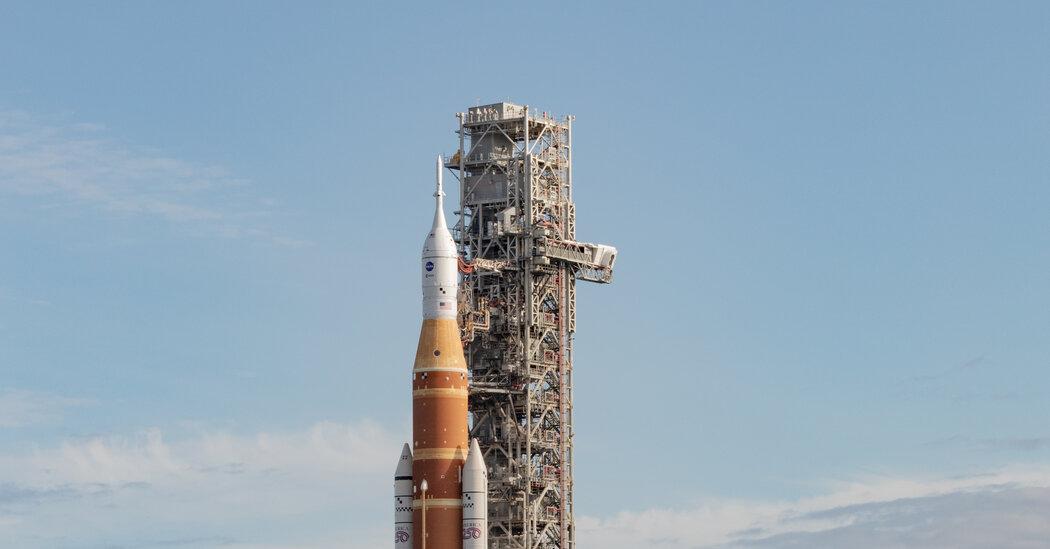
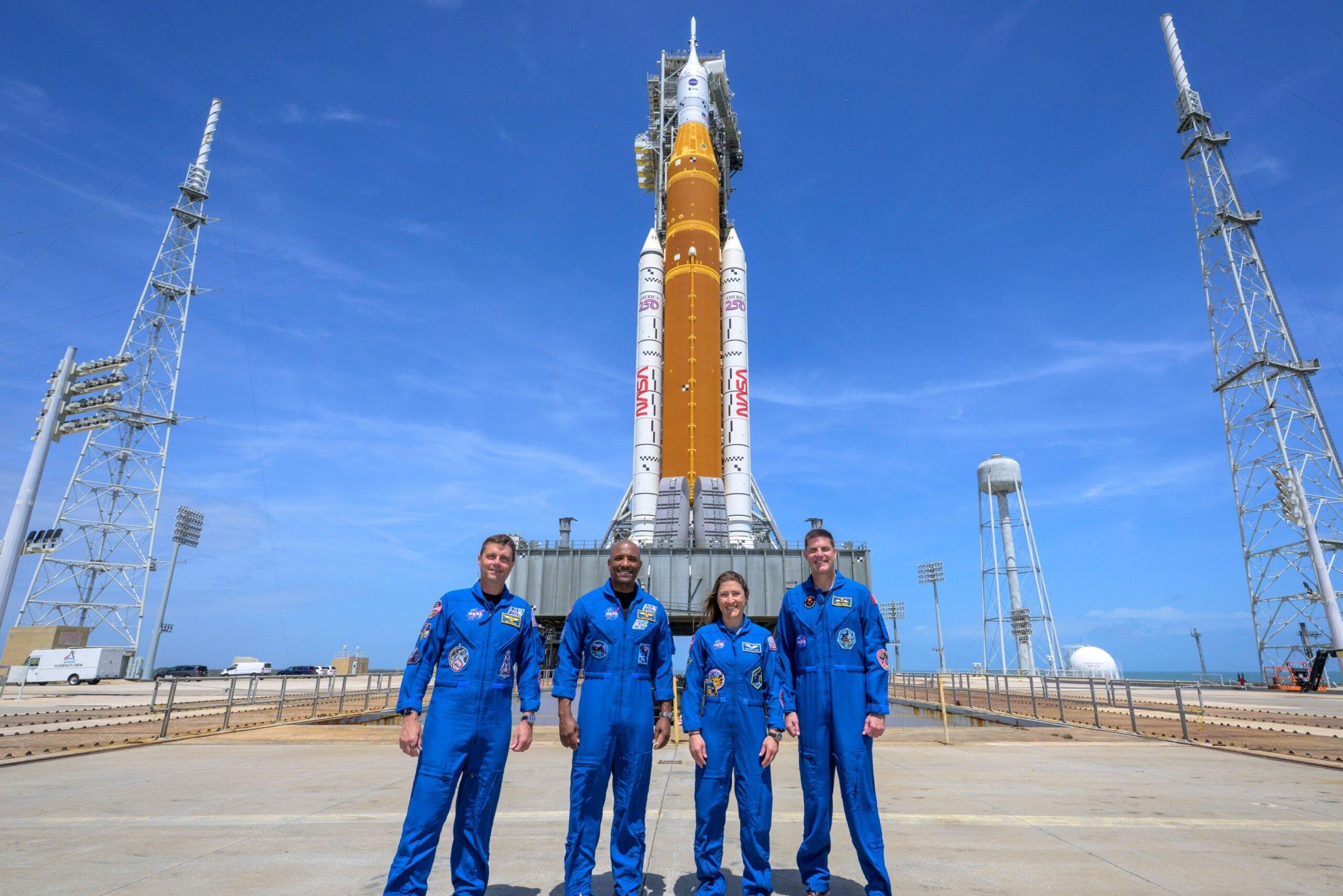
NASA successfully launched Artemis 2, the first crewed mission to the Moon's vicinity since Apollo.
The launch occurred after resolving technical issues including hydrogen leaks.
Northrop Grumman's Utah facilities manufactured the twin solid rocket boosters providing 75% of thrust.
Austrian Tech Powers Safety Systems
Technology from Austria was integral to the mission: Magna delivered high-pressure lines for the liquid-tank systems.
TTTech provided the safety-critical data communication network for all life-support and control systems on the European Service Module.
TTTech's network acts as the central nervous system, connecting sensors, computers, and propulsion components.
ESA's Role and Integration
The European Space Agency was responsible for the ESM, built by Airbus in Bremen.
“Northrop Grumman Corporation at its Box Elder County facilities manufactured the twin solid rocket boosters — massive five-segment engines that provide about 75% of the thrust needed to escape Earth’s gravity”
The service module manages temperature, power, and consumable storage for the crew.
ESA Director General Aschbacher emphasized Europe's decisive role in humanity's return to the Moon.
More on Technology and Science
NASA's Artemis II Launches Four Astronauts on First Crewed Moon Mission in 54 Years
11 sources compared

Artemis II Launch: 11-Year-Old's Viral Reaction and Moon Mission
11 sources compared
Artemis II Launches, Astronauts Begin Historic Moon Flyby
27 sources compared

NASA's Artemis II Launches Four Astronauts on 10-Day Lunar Flyby
32 sources compared