
Artemis II Breaks Lunar Distance Record, Captures Historic Earthset Images
Key Takeaways
- Artemis II set farthest human distance from Earth, surpassing Apollo 13's 406,000 km record.
- Lunar flyby included a solar eclipse observation.
- NASA released Earthset imagery showing Earth setting behind the Moon.
Historic Flyby and Record-Breaking Distance
The Artemis II mission performed a much anticipated lunar flyby, coming within 4,067 miles of the moon.
The crew took about 10,000 photos of the lunar surface previously unseen by human eyes.

Communication stopped for 40 minutes while Orion transited behind the moon.
The astronauts witnessed an Earthset, a view rivaling the iconic Earthrise of Apollo 8.
Glover described the sights as just sci-fi and the strangest-looking thing.
Earthset and Lunar Far Side Images
NASA released the first images taken from Artemis II, including an Earthset captured using an iPhone 17 Pro.
The crew trained to identify lunar features including Hertzsprung Basin and Orientale Basin.
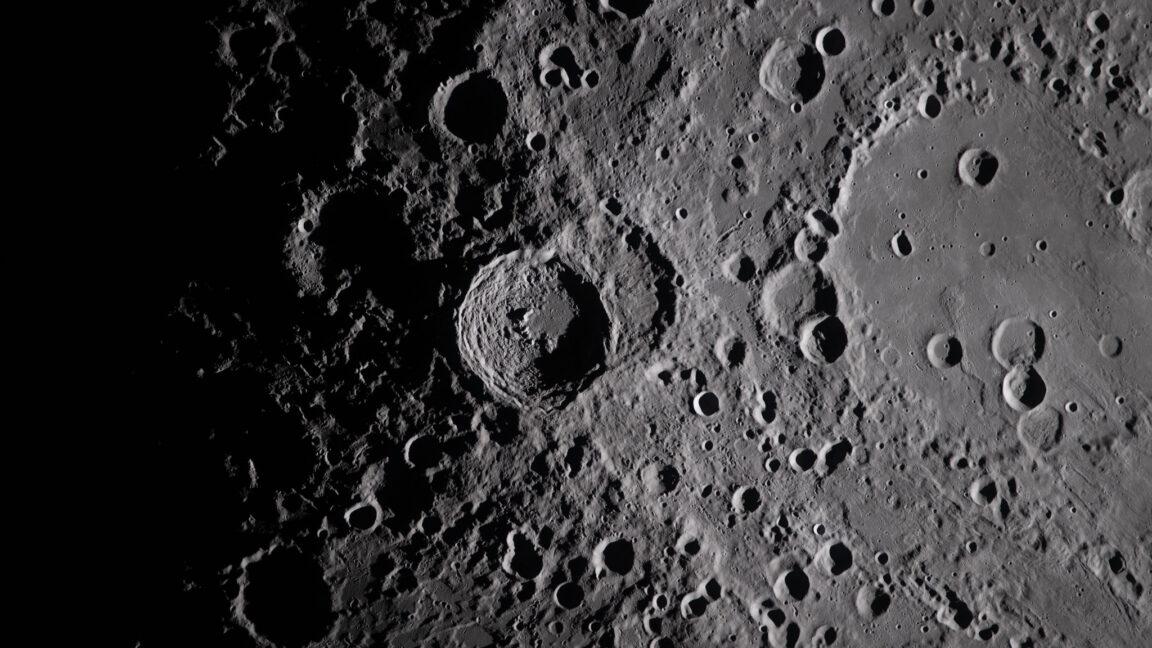
The Orientale Basin had never been seen by human eyes before.
The astronauts witnessed a solar eclipse from orbit.
Scientific and Public Engagement
Artemis II is viewed as a proof of concept for sustained lunar presence.
NASA is live-streaming the 10-day journey with regular astronaut updates.
The photos foster scientific inquiry and public engagement.
More on Technology and Science

Greece to Ban Social Media for Under-15s Starting January 2027
16 sources compared

Artemis II Completes 10-Day Moon Mission, Safely Returns to Earth
16 sources compared

Iran-Backed Hackers Disrupt US Water and Energy Systems Across Multiple States
25 sources compared

Apple's Foldable iPhone Faces Engineering Snags but Retains September Launch
10 sources compared