
Artemis II Rockets Four Astronauts Toward Moon, Breaking 54-Year Orbit Record
Key Takeaways
- Orion left Earth orbit after a flawless translunar injection toward the Moon.
- Ten-day crewed lunar flyby, first in over fifty years.
- Four astronauts aboard Orion head toward the Moon.
Historic Lunar Departure
The Artemis II mission propelled four astronauts more than 250,000 miles from Earth, breaking the 54-year human spaceflight record.
“NASA has released the first images taken from inside the Artemis II Orion spacecraft, where four astronauts are currently travelling on a mission around the moon”
The flight passed Earth orbit for the first time since Apollo 17 in 1972.

PBS described the burn as breaking free of the chains that have trapped humanity in shallow laps around Earth.
DW noted the crew was almost halfway there and maintaining correct flight trajectory.
Record-Breaking Distance
Artemis II is on track to fly farther than any humans in 56 years.
The mission will circle the far side of the moon that permanently faces away from Earth.
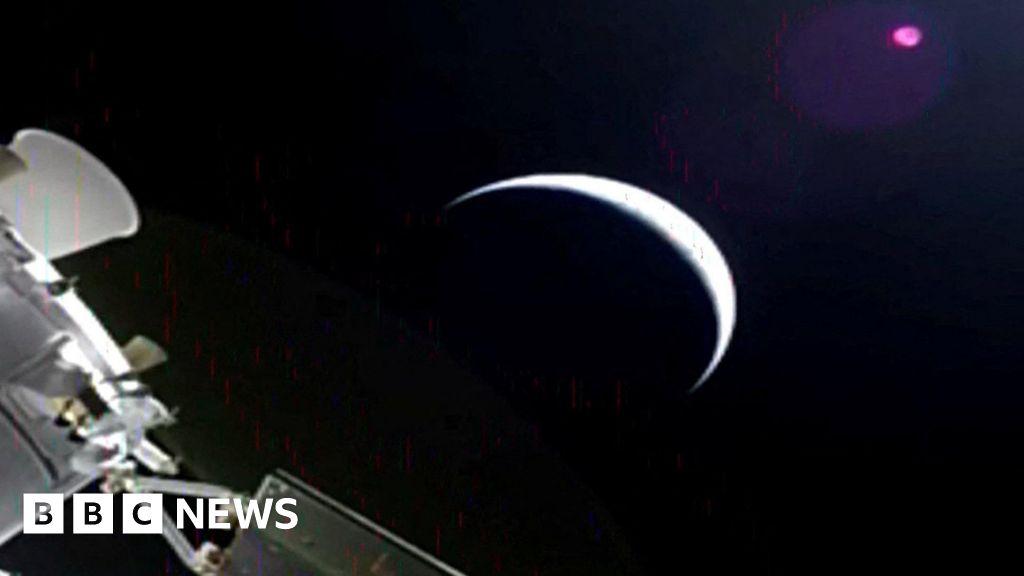
DW reported the spacecraft was roughly 183,936 kilometers from Earth and 244,298 kilometers from the moon.
The crew is ready to make history by flying 406,773 kilometers—surpassing Apollo 13's record.
Breathtaking Earth Views
The crew transmitted stunning images of Earth and space back to mission control.
“Under a radiant sky, NASA on Wednesday, April 1, completed the final checks before the launch of its flagship Artemis II mission, the first to carry astronauts around the Moon since the end of the Apollo program more than 50 years ago”
Photos showed Earth veiled in sweeping cloud formations and a green aurora borealis.
NBC noted the images were taken after the crew completed the translunar injection burn.
The photos served as a powerful reminder of home.
Smartphones in Space
The astronauts are among the first government space travelers to carry personal smartphones.
NASA updated policies allowing crew members to take iPhones and Androids beyond Earth.

The mission blends advanced navigation with traditional celestial techniques.
The Atlantic Council described the mission as forging a new path to sustainable exploration.
More on Technology and Science
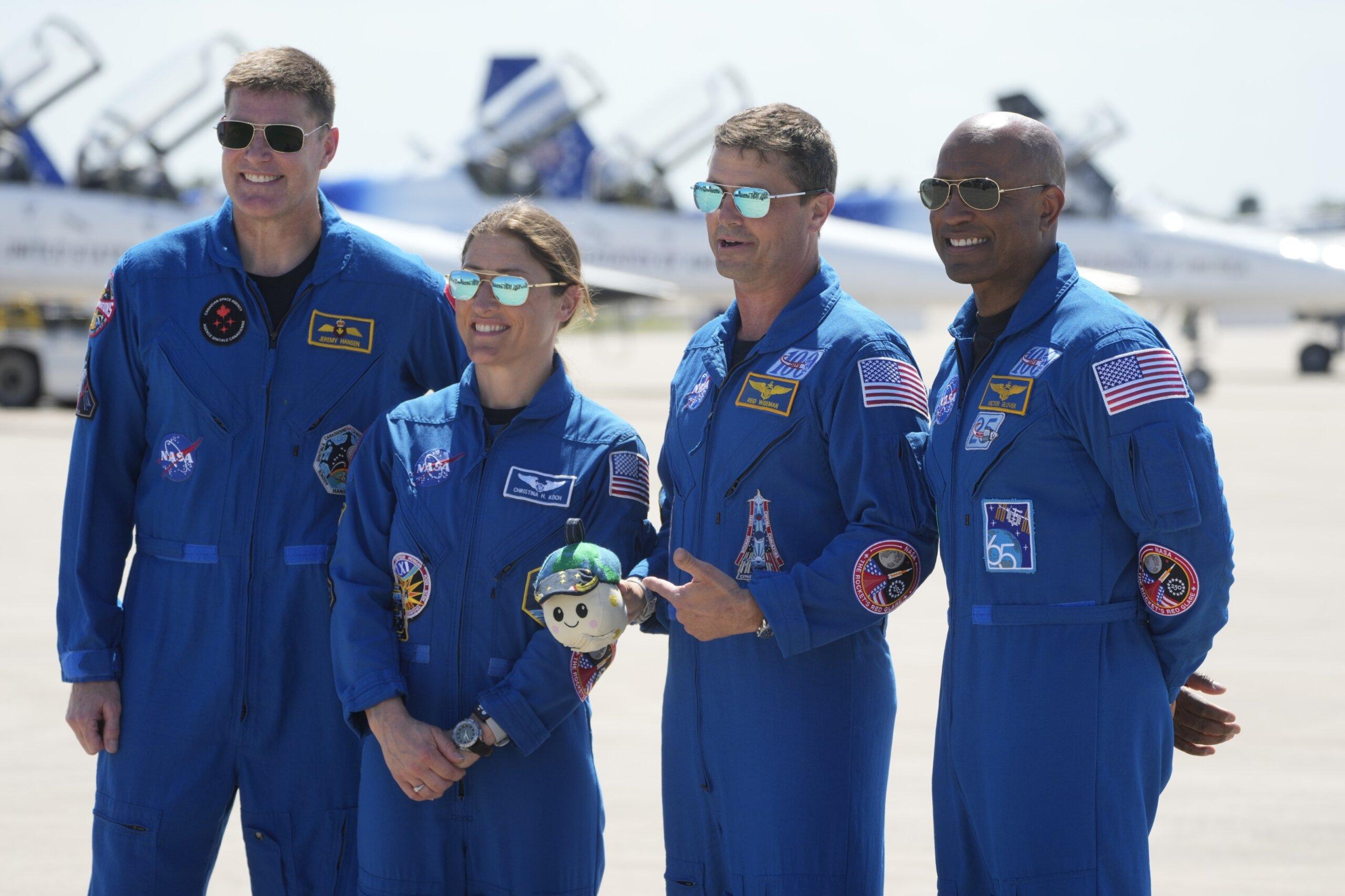
Artemis II Menu Unveiled: 189 Items Including Beef Brisket and Five Hot Sauces
20 sources compared
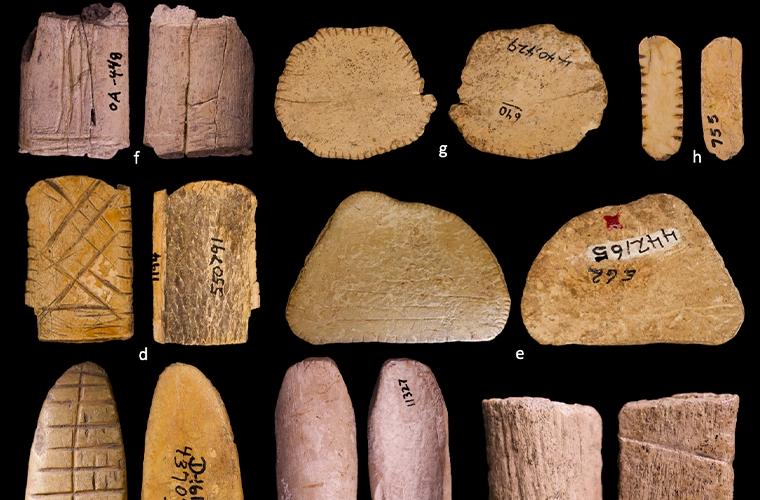
New Research Shows Native Americans Invented Dice 12,000 Years Ago
12 sources compared
Springs Fire Tops 4,000 Acres, 25% Contained; 4,000 People Evacuated
44 sources compared

Justice Alito Treated for Dehydration After Falling Ill at Federalist Society Event
33 sources compared