
Assembly of Experts Appoints Mojtaba Khamenei Iran's Supreme Leader After Air Strike Kills Ali Khamenei
Third Supreme Leader Named
Iran’s Assembly of Experts has named Ayatollah Seyyed Mojtaba Hosseini Khamenei as the Islamic Republic’s third Supreme Leader.
State media announced the appointment after the reported killing of his father, Ayatollah Ali Khamenei, in U.S.–Israeli strikes that triggered the current regional war.
Iranian outlets and international reports describe the Assembly’s vote as "decisive" and present the choice as a continuity measure amid wartime conditions.
State television and clerical leaders urged unity behind the new leader.
Mojtaba Khamenei profile
Mojtaba Khamenei is portrayed across coverage as a low-profile but influential mid-ranking cleric with deep ties to Iran’s security apparatus.
He studied in Qom and served in the Revolutionary Guard during the Iran–Iraq War, including service with the Habib Battalion.
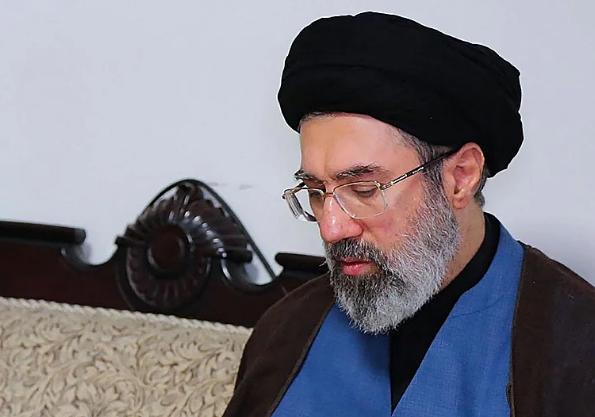
He ran parts of his father’s office and has been sanctioned by the U.S. for acting as a de facto representative of the Supreme Leader despite never holding formal elected office.
Analysts and state profiles emphasize his IRGC connections and behind-the-scenes power-broker role rather than a track record of public office.
Controversial Iranian succession
The succession is controversial inside Iran and abroad because it resembles a father-to-son transfer that many observers call a break with the republic's anti-monarchical norms.
“The 88-member Assembly of Experts began a selection process to choose a new leader despite the persistent threat of U”
Critics and opposition figures warned the move evokes dynastic succession and risks deepening factional tensions.
Multiple reports say the IRGC exerted pressure during the selection.
Commentators note internal unease over sidelining rival clerics and the optics of hereditary succession.
International reactions to appointment
The appointment has drawn stark international reactions and security warnings.
Former U.S. President Donald Trump publicly said Washington should have a say in the succession and criticized Mojtaba's elevation.

Israeli officials warned they would continue to target those responsible for Iran's leadership and suggested successors could be legitimate targets.
The broader war around the succession has produced mounting casualties and diplomatic moves, including U.S. embassy staff relocations and reported American deaths.
Iran's missions say U.S.- and Israeli-led strikes have inflicted heavy civilian losses.
Transition consolidation and implications
Iran’s political establishment moved quickly to consolidate the transition.
“Although Iran's ruling ideology frowns on the principle of hereditary succession, he has a powerful following within the Guards and his dead father's still-influential office”
State media and senior officials praised Mojtaba.

The IRGC publicly congratulated him.
The Assembly urged national unity and obedience.
Hardline figures framed the change as preserving the Revolution and the principle of Velayat‑e Faqih amid external threats.
Analysts warn the choice entrenches IRGC influence and could push policy toward more security‑first priorities during the ongoing war.
Key Takeaways
- Assembly of Experts appointed Mojtaba Khamenei after Ali Khamenei's killing in US‑Israeli strikes.
- Mojtaba has close ties to the Islamic Revolutionary Guard Corps, consolidating hardline influence.
- Israel and the United States warned they may target the successor amid escalating war.
More on Iran
NATO Shoots Down Second Iranian Ballistic Missile In Turkish Airspace
14 sources compared
Video Shows US Tomahawk Hit IRGC Base Beside Girls' School, Iran Says 168 Killed
11 sources compared

U.S. Missile Strike Massacres Iranian Girls' School in Minab, Investigators Say; Death Toll Disputed
11 sources compared

Iran's commanders and clergy rally behind Mojtaba Khamenei after Assembly approves him as supreme leader
13 sources compared