Iran03 March, 20263 min read
Assembly of Experts Names Mojtaba Khamenei Supreme Leader After U.S. and Israel Killed Ali Khamenei
Assembly of Experts named Mojtaba Khamenei Iran's next Supreme Leader Supreme Leader Ayatollah Ali Khamenei was killed in U.S. and Israeli strikes on Iran
41 outlets told this the same way.
Reported Iran leadership change
Iran’s Assembly of Experts is reported to have named Mojtaba Khamenei as the country’s new supreme leader. Several outlets say the naming followed U.S. and Israeli strikes that killed Supreme Leader Ayatollah Ali Khamenei. Il Sole 24 ORE said the Assembly 'names Mojtaba Khamenei Iran’s new supreme leader amid reports of an Israeli‑American strike that killed Ayatollah Ali Khamenei'.
“Assembly of Experts names Mojtaba Khamenei Iran’s new supreme leader amid reports of an Israeli‑American strike that killed Ayatollah Ali Khamenei and a wave of regional attacks.”
The Associated Press reported Iran was 'scrambling to replace Supreme Leader Ayatollah Ali Khamenei, who ruled for 37 years and was killed in a surprise U.S. and Israeli bombardment'. The Straits Times noted the Assembly met virtually 'as it prepared to choose a new supreme leader after the reported death of Ali Khamenei in US‑Israeli strikes'.

Mojtaba Khamenei profile
Mojtaba Khamenei is described across reports as a long‑time, behind‑the‑scenes operator with deep ties to the Islamic Revolutionary Guard Corps (IRGC) and seminary networks, a profile that analysts say would shift control toward security institutions if he leads. Il Sole 24 ORE called him a “long‑time behind‑the‑scenes power broker with close IRGC and Basij ties,” the New York Times noted he “joined the Revolutionary Guards around 1987… and long operated behind the scenes running the supreme leader’s office,” and the Associated Press called him “a mid‑level Shiite cleric with strong Revolutionary Guard ties who has not previously held public office.” The Straits Times likewise described him as “a reclusive but influential figure with close ties to the Islamic Revolutionary Guard Corps (IRGC).”
Succession Amid IRGC Pressure
The succession process is unfolding amid reported IRGC pressure, legal and political complexities, and anxiety about dynastic transfer. Il Sole 24 ORE reported the Assembly met "under IRGC pressure after a reported raid on its Qom headquarters" as it chose Mojtaba.
“A provisional council — President Masoud Pezeshkian, hard-line judiciary chief Gholamhossein Mohseni Ejei and senior cleric Ayatollah Ali Reza Arafi — is steering the country while the 88-member Assembly of Experts, the clerical body that appoints the leader, is expected to pick a successor quickly (Foreign Minister Abbas Araghchi said a decision could come early this week).”
The Associated Press described a provisional council — "President Masoud Pezeshkian, hard-line judiciary chief Gholamhossein Mohseni Ejei and senior cleric Ayatollah Ali Reza Arafi" — steering the country while the 88-member Assembly prepares to formalize a successor. Analysts and regional commentaries warned that selecting Mojtaba could revive fears of hereditary succession and deepen hard-line, security-centered governance, with the Sri Lanka Guardian noting his rise "is aided by the resulting power vacuum but complicated by his lack of public office experience and prior opposition to hereditary succession."
Regional violence and evacuations
The leadership crisis has coincided with extensive regional violence, reported strikes on civilian and military sites, and large-scale evacuations.
Al Jazeera cited Iranian state media and the Iranian Red Crescent reporting 'at least 787 dead in Iran (the report said the toll included Supreme Leader Khamenei)'.
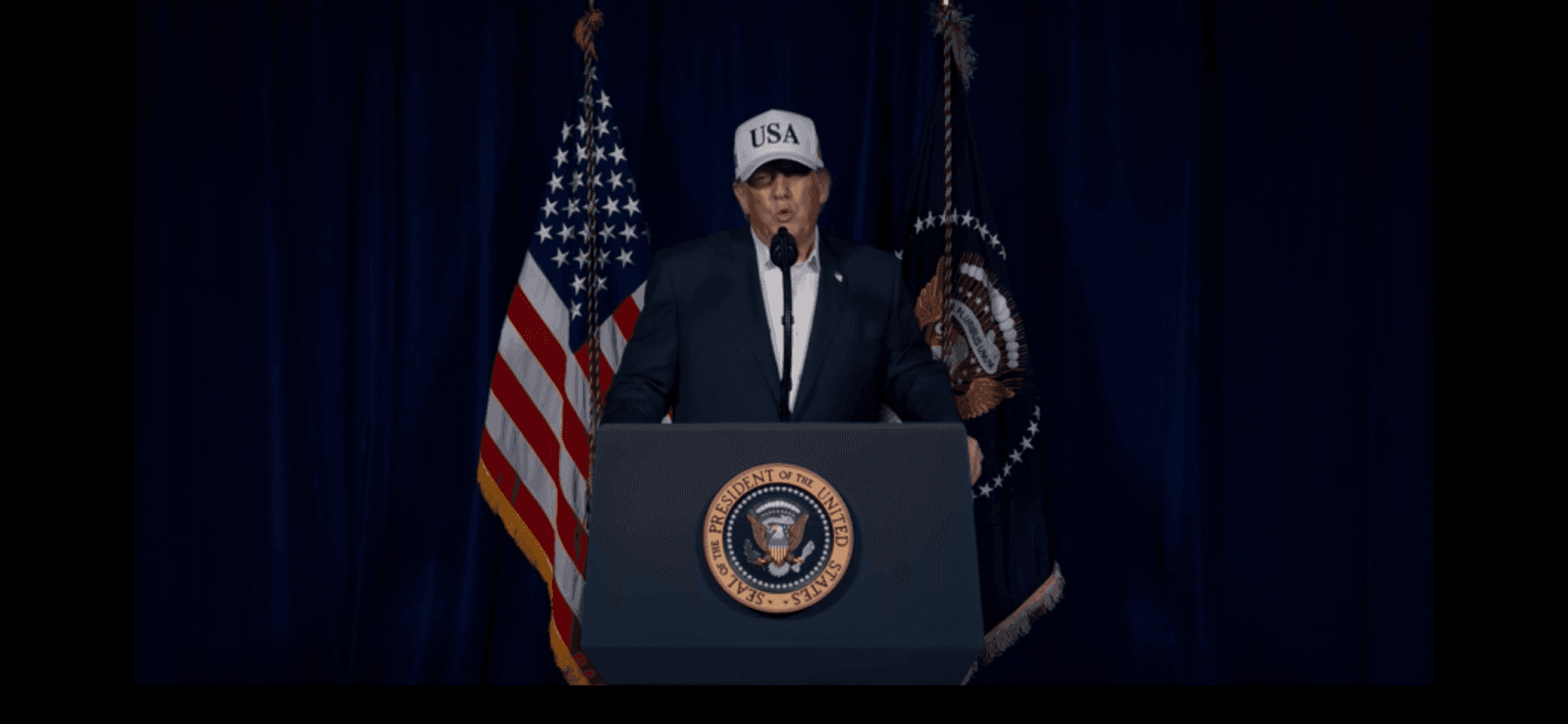
Al Jazeera also described threats such as the IRGC declaring the Strait of Hormuz closed.
Il Sole 24 ORE detailed reported drone strikes on the CIA compound at the U.S. embassy in Riyadh and a suspected drone hit the U.S. consulate in Dubai.
HuffPost and WRAL described U.S. evacuations and embassy closures and reported that drones caused a 'limited fire' at the U.S. Embassy compound in Riyadh.
Regional outlets and analysts also record Hezbollah and Lebanon-Israel exchanges and strikes on infrastructure, highlighting a broad and dangerous escalation.
Conflicting reports and claims
Reports and official statements remain fragmented and sometimes contradictory, producing persistent uncertainty about key facts and outcomes. Time relayed President Trump's claim that the attacks 'knocked out most of the candidates' and that he later 'claimed 48 senior Iranian leaders died'. The BBC cautioned that some major killing claims, including individual commanders, were 'not independently verified'.
“Trump told ABC News the attacks ‘knocked out most of the candidates’ and later claimed 48 senior Iranian leaders died; Israel says it killed Khamenei’s chief of staff Ali Asghar Hejazi, a claim Tehran has not confirmed.”
Several outlets, including The Irish Sun and The Sun, explicitly noted that initial reports of Mojtaba’s selection and Khamenei’s death were reported by opposition-linked media and have not been independently verified. World leaders and institutions have urged restraint even as evacuations and security measures continue.

Il Sole 24 ORE said the Pope appealed for prayer and dialogue and that global leaders are watching for further escalation. That combination of strong claims, competing narratives, and rapid developments makes the situation fluid and contested across the sources.