Attenborough’s Rwanda Gorilla Encounter Featured In BBC Programme Marking His 100th Birthday
Key Takeaways
- Attenborough's encounter with Rwanda's mountain gorillas ranks among his most iconic TV moments.
- BBC documentary marking his 100th birthday reveals behind-the-scenes details of the gorilla encounter.
- Footage nearly failed to reach audiences, smuggled out under gunpoint amid Rwanda coup.
Gorilla Moment, Revisited
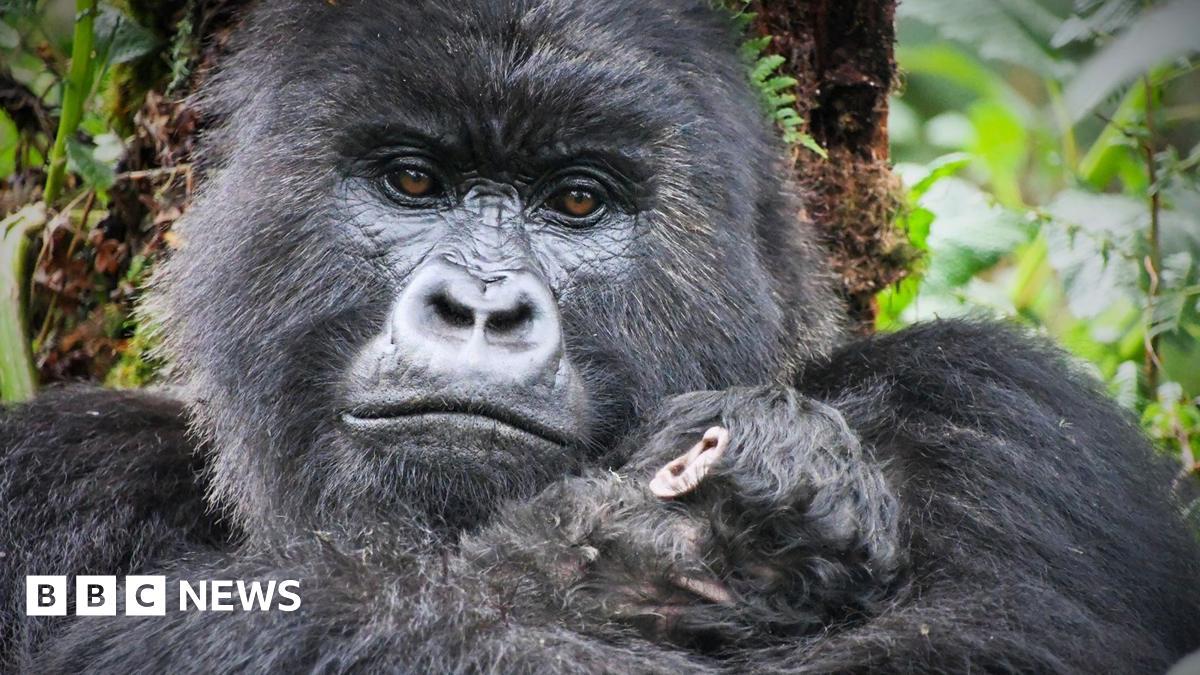
Sir David Attenborough’s most iconic TV encounter with mountain gorillas in Rwanda is the focus of a new BBC programme that looks back at the making of his 1979 series “Life on Earth.”
“- Published It is the most memorable moment of Sir David Attenborough's broadcasting career”
The BBC describes the moment as “a short sequence of his encounter with a group of playful mountain gorillas in a forest clearing in Rwanda,” with Attenborough telling the camera, “There is more meaning and mutual understanding in exchanging a glance with a gorilla than any other animal I know.”
The BBC also frames the encounter as part of a larger story about what happened to the gorilla family after the filming, while Reuters reports that the new show “Making Life on Earth: Attenborough’s Greatest Adventure” “goes into the stories behind the series.”
Reuters says the programme begins with celebrations marking Attenborough’s 100th birthday, with the naturalist “born on May 8, 1926, in London,” and with the centenary celebrations “start next week” in London.
The BBC places the original filming in the Virunga Mountains, saying the team arrived in the Virunga Mountains on “9 January 1978,” and that they intended “to show something very simple - a gorilla's thumb.”
The Mirror adds that the documentary reveals how the footage was almost lost “amid a coup in Rwanda,” when the team was forced to hand over their film cans to “gun-toting soldiers.”
Across the coverage, the encounter is presented not just as a memorable scene but as a turning point in how natural history was filmed and received, with Reuters noting that “an estimated 500 million viewers saw gorillas in a new light.”
Thumbs, Letters, and Altitude
The new BBC documentary, as described by the BBC and Reuters, ties the gorilla encounter to the practical and scientific planning that preceded it, including the team’s goal of filming “a gorilla's thumb” and the logistical challenge of reaching Dian Fossey’s research site.
The BBC says Attenborough and the team arrived in the Virunga Mountains on “9 January 1978,” and that they climbed “9,843 ft (3,000m) up the 45-degree slopes” to catch a glimpse of one of the “few surviving mountain gorillas.”

Reuters adds that the show includes “more footage of a baby gorilla climbing on the presenter and of a lioness hunting,” while also describing the behind-the-scenes work in Attenborough’s diary.
Reuters reports that Attenborough and his team were “detained by the Rwandan army and threatened in Saddam Hussein’s Iraq,” and that their planning included waiting for letters that “took weeks to arrive.”
The Mirror provides additional detail on the correspondence, saying access had to be organised by post and that “each letter took three weeks to get to her in Africa, followed by another three week wait for a reply.”
The BBC explains why Dian Fossey was central to the filming, saying Attenborough doubted she would allow a film crew near her gorillas, but that “weeks after sending her a letter they received a reply inviting them to visit.”
In the BBC’s account, Fossey’s role is not just administrative but behavioral, with Attenborough explaining, “We couldn't have got anywhere near them without Dian,” and adding, “Dian taught us how to behave in their presence.”
Poppy, Pablo, and the Surprise
While the team’s plan centered on filming “a gorilla's thumb,” the BBC describes how the encounter turned into an unscripted interaction that nearly broke the filming schedule.
“The extraordinary story behind Sir David Attenborough’s most iconic TV moment alongside the mountain gorillas of Rwanda is to be laid bare in a new BBC documentary to mark his 100th birthday”
The BBC says that when the crew found themselves among a gorilla family, “Poppy,” a younger gorilla, “had other ideas and tried to take off his shoes,” while “three-year-old Pablo” lay down on Attenborough “just as he felt a hand on the top of his head.”
The BBC’s account emphasizes that the adult female gorilla “twisted his head to look straight in his eyes,” then “put a finger in his mouth and belching at him,” and Attenborough says, “So I did my best to respond.”
The Mirror adds that the documentary reveals the team had “no idea what we were about to witness or how close we would come to losing everything,” and it quotes Attenborough’s recollection of the moment when he was about to start talking about “the opposition of the thumb and the forefinger.”
The Times similarly recounts that Attenborough was “then 51” when the close encounter happened, and it quotes him at the time: “There is more meaning and mutual understanding in exchanging a glance with a gorilla than any other animal I know.”
Reuters and the BBC both highlight that only a limited amount of the encounter was captured, with the BBC saying, “Only a minute or two of the encounter was captured on film,” and Reuters describing the new show as including “more footage” of other animals.
The BBC also reports that the camera team waited for Attenborough’s address to the camera, but the gorillas’ behavior meant the crew had to manage limited film stock.
Roadblocks, Rifles, and Film Cans
The accounts converge on the danger the crew faced when they returned from filming, with Reuters, the BBC, the Mirror, and The Times describing roadblocks, detention, and the threat of losing the footage.
The BBC says that as they headed back down the mountain they heard “the crack of rifles,” and that they “turned around the corner and there was an armed guard,” after which “Rwandan soldiers stopped them at the next roadblock.”
The BBC reports that the crew were “questioned about their work in a police headquarters and held in a hotel overnight,” and that the following morning “Attenborough and his cameraman were taken to an army compound in Kigali until they were released by a commander.”
The Mirror describes the same sequence as being tied to a coup, saying the footage was almost lost “amid a coup in Rwanda,” when the team was forced to hand over their film cans to “gun-toting soldiers.”
The Mirror also quotes Attenborough recalling the moment: “We had no idea what we were about to witness or how close we would come to losing everything.”
The Times provides additional detail about the roadblock and the crew’s fear, quoting Attenborough about the driver who said, “We have no permit. We didn’t check with the park office. We’ve been filming with dead gorillas.”
The Times also states that Martin Saunders “quickly realised the danger posed to the precious film” and that he “set about swapping the labels on the cans to make it appear as if those containing the gorilla footage were unused.”
Legacy, Audience, and Conservation
The coverage also links the gorilla filming to the broader legacy of “Life on Earth,” including its audience reach and the conservation work that followed.
“- Published It is the most memorable moment of Sir David Attenborough's broadcasting career”
The BBC says that when “Life on Earth was broadcast in 1979, it was a huge success - turning natural history into landmark television,” and it adds that “The series was sold to almost every country in the world and an estimated 500 million viewers saw gorillas in a new light.”
Reuters similarly reports that the programme “set the pattern for natural history documentaries in the decades that followed” and that it “helped establish him as one of the world’s most authoritative voices on conservation.”
The BBC describes how Attenborough approached the conservation charity Flora and Fauna, which “set up the Mountain Gorilla Project to help protect the animals,” and it states that “In 1985, seven years after her meeting with Attenborough, Dian Fossey was murdered.”
The Mirror and Reuters both emphasize the documentary’s role in revisiting the filming process, with Reuters saying the new show “premieres on the BBC on Sunday” and that there will also be “a new series “Secret Garden”, a concert in London and events at museums across Britain.”
The BBC also notes that Attenborough’s centenary is tied to his 100th birthday on “8 May,” and it describes the new documentary as returning to the day the team arrived in the Virunga Mountains.
Finally, Reuters quotes Mike Gunton saying, “All we really have done is remake ‘Life on Earth’,” and it includes producer/director Victoria Bobin saying, “has, without doubt, defined natural history and how we see the world.”
More on Entertainment
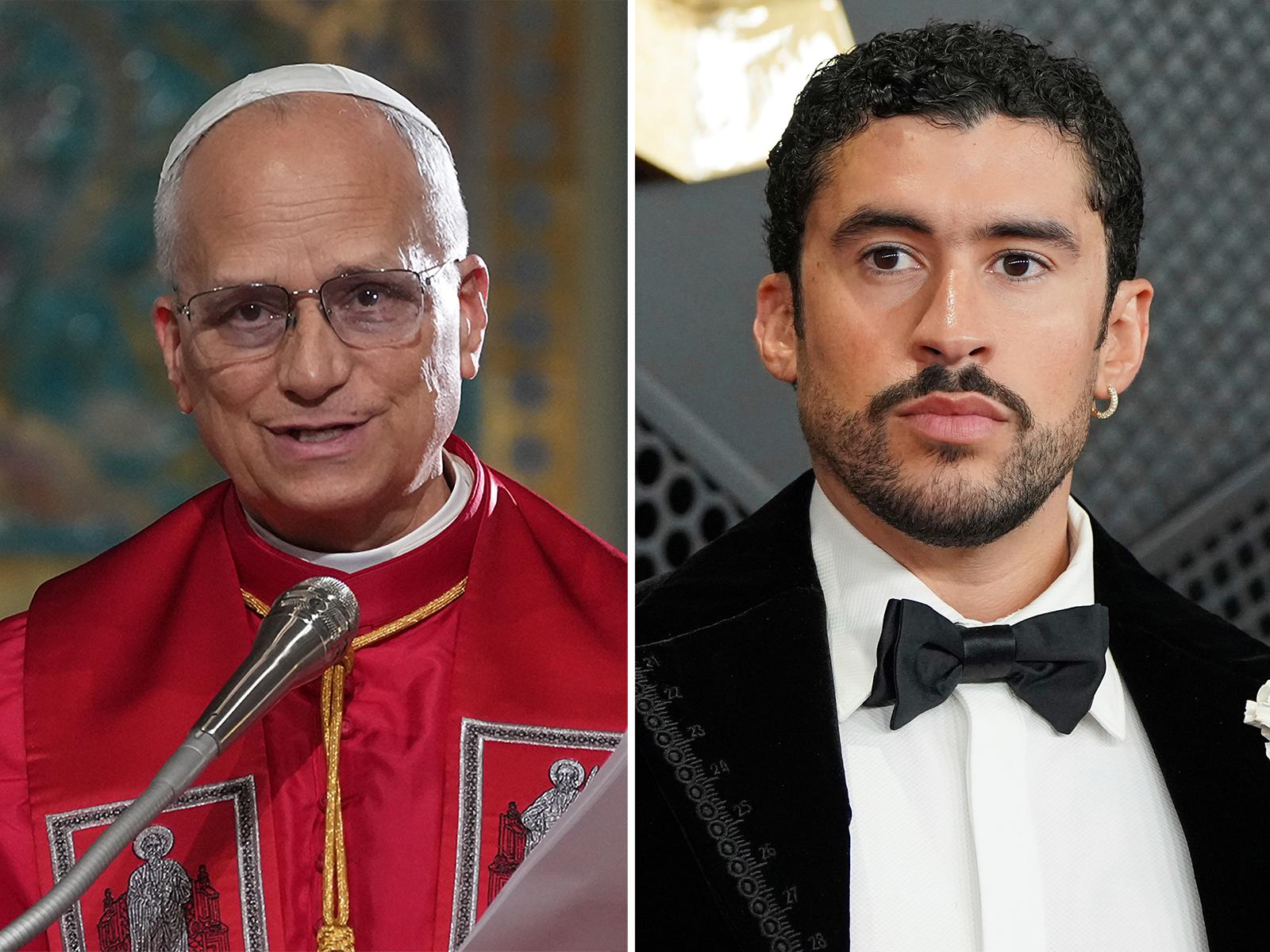
Pope Leo XIV Meets Bad Bunny Privately at Santiago Bernabéu in Madrid
11 sources compared

Anthony Head Dies At 72, Known For Buffy’s Rupert Giles And Ted Lasso’s Rupert Mannion
34 sources compared
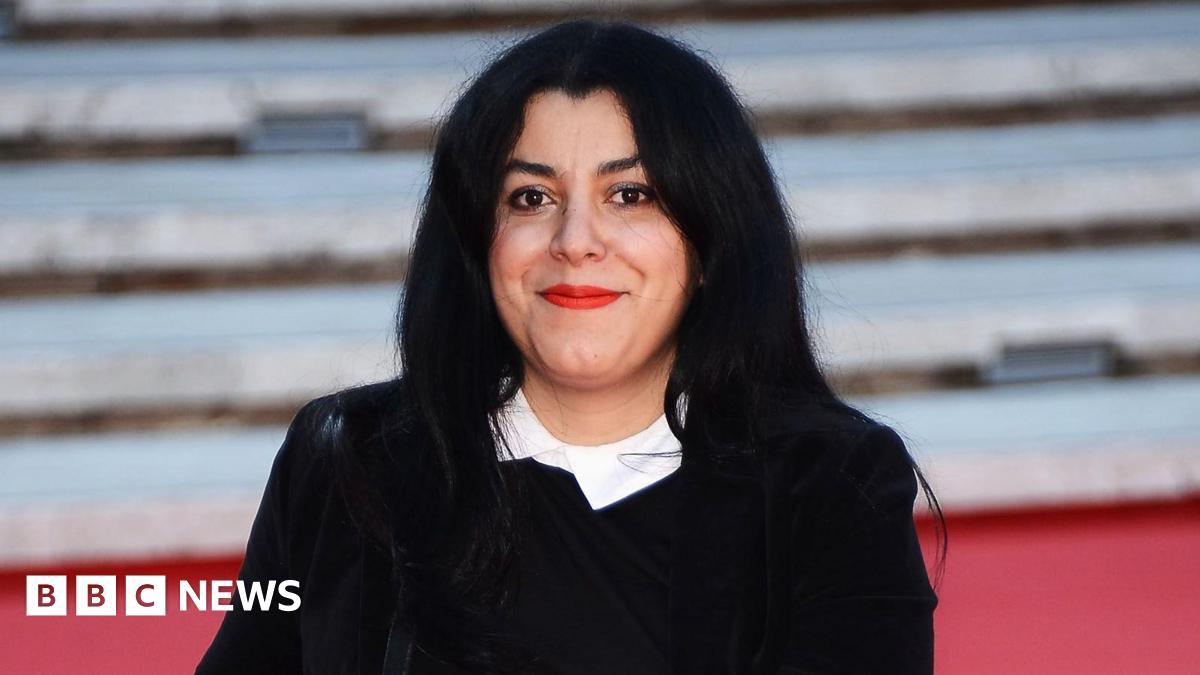
Marjane Satrapi Dies At 56, Author And Illustrator Of Persepolis
22 sources compared
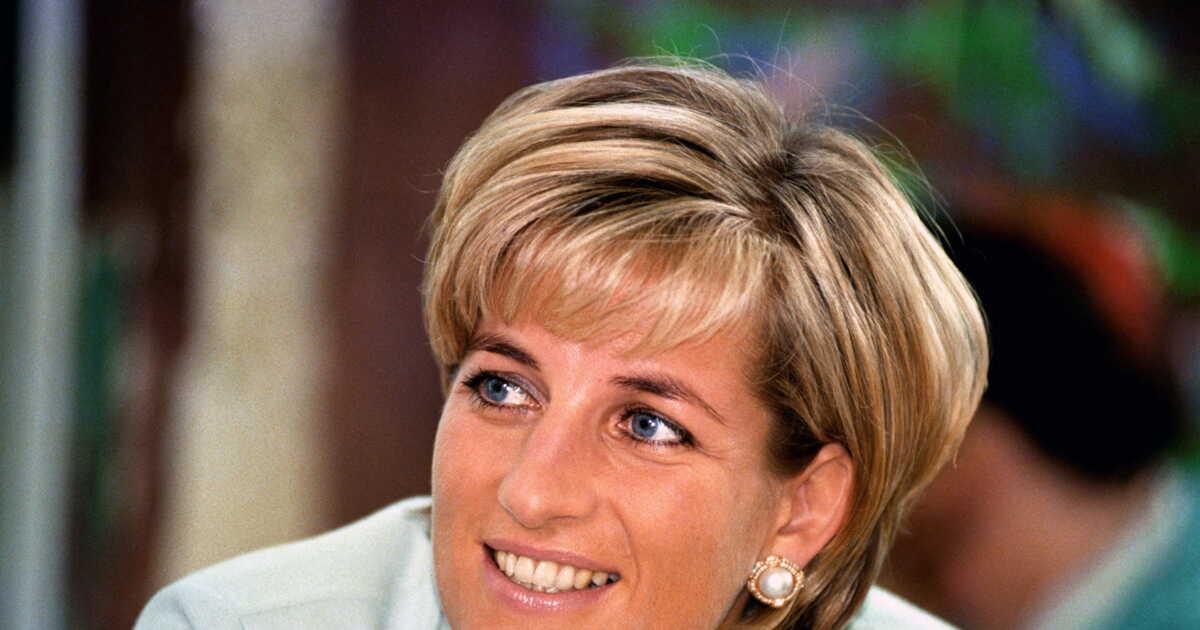
Princess Diana’s 1995 Letter to Michael Barratt Offered for Sale by Reeman Dansie’s Royalty Auction
15 sources compared