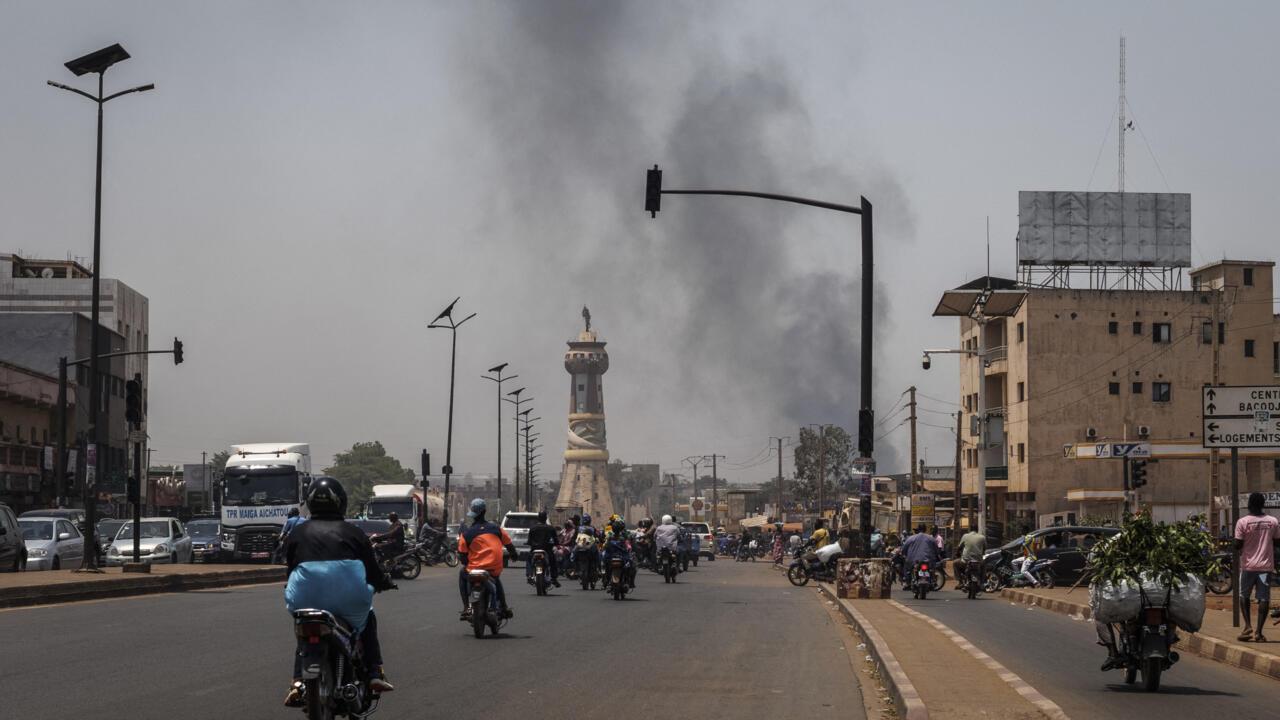
Azawad Liberation Front Retakes Mali’s Kidal After April 25 Attack, Ending Russian-Led African Legion Control
Key Takeaways
- Kidal falls to Azawad Liberation Front after Russian withdrawal, rebels in control.
- Coordinated attacks across Mali kill defence minister and strike near the capital.
- Rebel seizure marks shift in northern Mali's power balance, ending decades of Russian-led presence.
Kidal’s fifth rebellion
Kidal, a Tuareg-majority city in far north Mali, has been handed over and retaken repeatedly, and a new round of fighting has again put its status at the center of Mali’s crisis.
“Fighters of the Azawad Liberation Front (جبهة تحرير أزواد) raised their banners again over the streets of Kidal, hours after a coordinated attack carried out on several areas in Mali”
Al-Jazeera Net says fighters of the Azawad Liberation Front (جبهة تحرير أزواد) raised their banners over Kidal’s streets hours after a coordinated attack across Mali, and it frames the moment as “the fifth time in 66 years.”

The outlet describes a sequence in which Kidal moved from a Tuareg rebellion stronghold to a “recovered” city under Bamako’s banner for two and a half years, and then to a new rebellion at the dawn of last Saturday.
It also locates Kidal “at the heart of the Ifoghas mountain range” and says the city is “about 1,500 kilometers from Bamako,” emphasizing why it is “difficult to encircle militarily.”
Al-Jazeera Net adds that every peace agreement—1991, 2006, and 2015—granted Kidal an exceptional status, then collapsed when the state tried to assert sovereignty.
In the same account, the outlet says that in November 2023 the Malian military council launched a broad assault with the participation of Wagner mercenaries, ending with the Malian flag raised over Kidal’s fortress and the appointment of General الحاج آغ غامو (Hajj Ag Gamou) as military governor.
It then describes the latest turn as a coordinated Saturday operation of April 25, 2026, when Azawadi rebels announced an agreement allowing the African Legion (the former Wagner) under Russian command to withdraw from Kidal, leaving the city entirely under their control.
How the crisis escalated
The latest Kidal shift is described by multiple outlets as part of a wider, coordinated wave of attacks that struck Mali’s military government and its Russian-linked security posture.
Al-Jazeera Net ties the new rebellion to a coordinated Saturday operation of April 25, 2026 and says the Azawadi rebels announced an agreement allowing the African Legion (the former Wagner) under Russian command to withdraw from Kidal, leaving the city entirely under their control.
RFI, in turn, describes Mali’s crisis deepening “a day after Russian paramilitaries withdrew from the northern city of Kidal,” and it says the withdrawal came after coordinated attacks across the country killed Mali’s defence minister and struck targets near the capital.
RFI says Prime Minister Abdoulaye Maïga sought to reassure Malians after Saturday’s large-scale offensive by jihadist fighters from JNIM and Tuareg separatists from the Azawad Liberation Front, or FLA.
It also says the assault targeted Kati—the military garrison town near Bamako—and “the capital’s airport zone,” along with several northern towns including Kidal.
France 24’s “Eye on Africa” segment is not fully available in the provided text, but it does state “Tuareg rebels in control of Mali's Kidal” and places the discussion in the context of Mali “on edge” two days after coordinated attacks.
Al-Jazeera Net adds that the battle ended in November 2023 with the Malian flag raised over Kidal’s fortress and the appointment of General الحاج آغ غامو as military governor, and it characterizes the message as Bamako governing the city “with its Tuareg people, not through Tuareg authorities.”
Voices: threat and response
The accounts include sharp, opposing statements from Mali’s leadership and from the Tuareg-led separatists, alongside descriptions of battlefield actions and political messaging.
Al-Jazeera Net says the Malian military council launched a broad assault in November 2023 with Wagner mercenaries and that the battle ended with the Malian flag raised over Kidal’s fortress and the appointment of General الحاج آغ غامو as military governor, presenting Bamako’s stance that it would govern Kidal “with its Tuareg people, not through Tuareg authorities.”
Albianews, quoting an AFP interview, says Mali’s Tuareg rebels declared that the country’s ruling junta “will fall”, and it adds that a spokesman for the Azawad Liberation Front told AFP during a visit to Paris that “the regime will fall, sooner or later.”
In the same AFP-based account, junta chief Assimi Goita said in a speech on TV late Tuesday that the situation was “under control,” even as the clashes pitted the army against the FLA and jihadist allies from JNIM.
Albianews also reports that the coordinated dawn offensive on Saturday killed at least 23 people, with the toll expected to rise, and it says the Malian army fought back Wednesday with “a series of airstrikes.”
It quotes a security source saying, “We intend to give these enemies no respite”, and it says the strikes targeted “the military camp and fighters at the city government building.”
RFI adds a different tone from inside Mali, quoting a senior Malian official who told RFI that “The Russians betrayed us in Kidal,” and it says the official claimed the regional governor had warned Russian mercenaries “three days before the attack”, but that “they did nothing.”
Different framings of the same fall
While all three main narratives revolve around Kidal’s fall to a coalition involving the Azawad Liberation Front and jihadist forces, the outlets frame the meaning of the event differently—especially around Russia’s role and the implications for Mali’s junta.
Al-Jazeera Net presents Kidal’s latest change as the latest turn in a long cycle, describing the city as a “mirror of the Malian state and its borders” and emphasizing that the “peace accord” pattern has repeatedly collapsed “before its ink dries.”
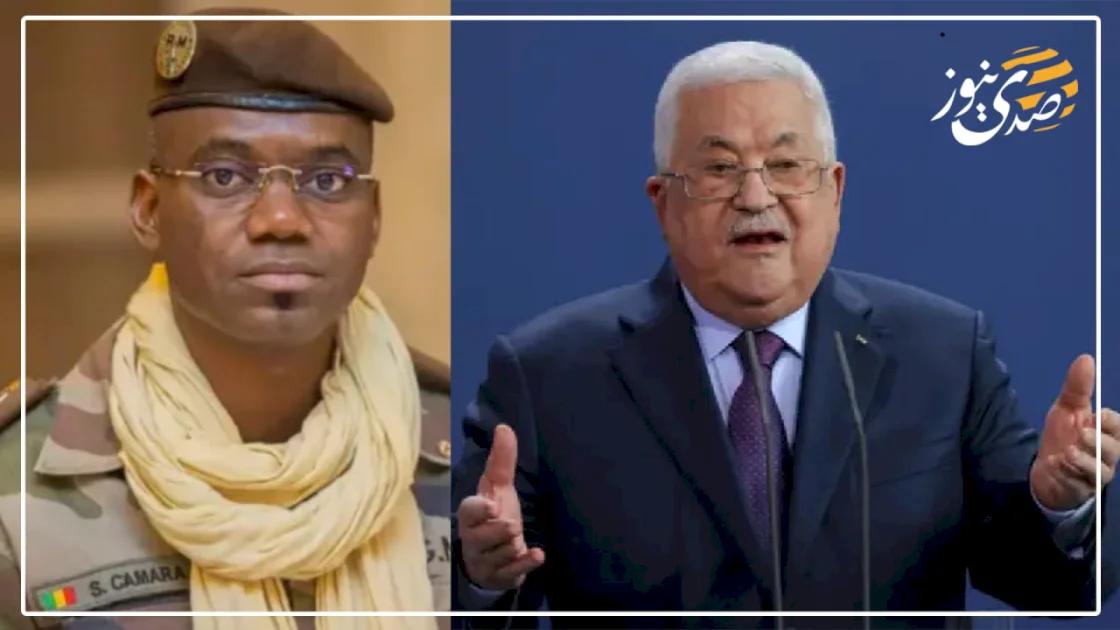
It also places the withdrawal of the African Legion under Russian command into a storyline of legitimacy being rewritten “for the fifth time since independence,” and it says the Malian government confirmed the death of defence minister Sadio Camara at the Kati base near Bamako on the same day.
RFI, by contrast, centers the immediate political rupture, saying the withdrawal came after coordinated attacks killed Sadio Camara and struck targets near the capital, and it describes the Russian retreat as “a major reversal” after Mali’s forces recaptured Kidal in November 2023.
RFI also highlights internal blame, with the senior Malian official telling RFI that “The Russians betrayed us in Kidal,” and it adds that Malian troops, Russian paramilitaries and official civilian authorities left Kidal for Gao.
Albianews, meanwhile, frames the event through rebel messaging and battlefield momentum, saying the separatists and jihadists launched “the largest assault on the country in nearly 15 years” and that they were able to capture the key northern town of Kidal.
It also reports that the rebels intend to take control of Gao, Timbuktu and Menaka after success in Kidal, and it quotes FLA spokesman Mohamed Elmaouloud Ramadane telling AFP that the rebels intend to take control of those towns.
What comes next
The sources portray immediate consequences for Mali’s security posture, its political stability, and the territorial contest across northern Mali after Kidal’s fall.
“Fighters of the Azawad Liberation Front (جبهة تحرير أزواد) raised their banners again over the streets of Kidal, hours after a coordinated attack carried out on several areas in Mali”
RFI says Malian troops, Russian paramilitaries and official civilian authorities have all now left Kidal for Gao, leaving Kidal under the full control of JNIM and the FLA, and it adds that reports also suggest Russian forces may be preparing to withdraw from other northern positions.
It describes the loss of Kidal and Russia’s retreat as opening “a dangerous new political and military crisis for the ruling junta,” and it notes that Assimi Goïta has still not appeared publicly since the attacks began, “adding to uncertainty.”
RFI also quotes International Crisis Group’s Jean-Hervé Jézéquel saying Goïta’s silence is “fuelling questions about the military government’s resilience,” and it says Burkina Faso and Niger have issued a statement of support through the Alliance of Sahel States but have not visibly intervened militarily despite their mutual defence pact.
Albianews adds that the rebels and jihadists attacked strategic positions including areas around Bamako and that the clashes killed at least 23 people, with the toll expected to rise, while the Malian army waged airstrikes and targeted “the military camp and fighters at the city government building.”
It also states that the FLA spokesman Mohamed Elmaouloud Ramadane told AFP that the rebels intend to take control of Gao, Timbuktu and Menaka following their success in Kidal, and it says in the Gao region the Malian army has already abandoned some positions.
Al-Jazeera Net, meanwhile, frames the next phase as a rewriting of legitimacy and a continuation of the cycle, saying the coordinated Saturday operation of April 25, 2026 ended with the African Legion withdrawal and that the Malian government confirmed the death of defence minister Sadio Camara at the Kati base near Bamako.
More on Africa

Anant Ambani Offers to Relocate 80 Pablo Escobar ‘Cocaine Hippos’ to India
15 sources compared

Assimi Goïta Says Mali Situation Is Under Control After Jihadist Attacks
16 sources compared
Islamist Militants And Separatists Launch Coordinated Attacks Across Mali, Killing Defense Minister
21 sources compared
Eastern Chad Fighting Kills 42 After Water Well Dispute Between Rival Families
10 sources compared