
Bahrain Resumes Stripping Citizenship From 69 People Over Alleged Iran Sympathies
Key Takeaways
- 69 Bahrainis stripped of citizenship over alleged Iran sympathies
- Parliament debated citizenship-related laws during the revocation controversy
- Framed as countering Iran influence, as shown by DW and Al-Hurra
Bahrain targets citizenship
Bahrain has resumed stripping citizenship from citizens amid a controversy tied to the war between Iran and the United States, with King Hamad bin Isa Al Khalifa expressing regret over "the alignment of some lawmakers with traitors instead of defending the homeland."
“Bahrain withdraws the parliamentary membership of three MPs who criticized the revocation of citizenship, despite their apology to the king”
The move followed Bahrain’s withdrawal of citizenship from 69 Bahraini citizens whom authorities said had sympathized with hostile actions by Iran, and it coincided with a parliamentary debate on a law that would treat citizenship issues as "matters of sovereignty" outside the judiciary's jurisdiction, which 34 MPs approved and only three rejected, according to Al-Ayam.

Iran’s High Council for Human Rights condemned Bahrain’s decision to revoke the citizenship of 69 people, calling it an “illegal and arbitrary” act amounting to “collective punishment” against civilians.
In a statement, the High Council said the people stripped of citizenship included clerics, eulogists, social activists, women, men, and even children and infants, who were deprived of nationality “without any judicial procedures, without legal investigations, outside the jurisdiction of the judiciary, and solely based on the order of the king of Bahrain.”
MPs punished for criticism
The BBC reported that Bahrain withdrew the parliamentary membership of three MPs after an unanimous vote during an extraordinary session, with the MPs named as Abdul Nabi Salman, Mamdouh Al-Saleh, and Mehdi Al-Shuwaikh.
The BBC said the sponsors argued the MPs’ statements constituted a breach of the duty of representation, particularly regarding what the signatories described as 'glorification of Iranian attacks.'
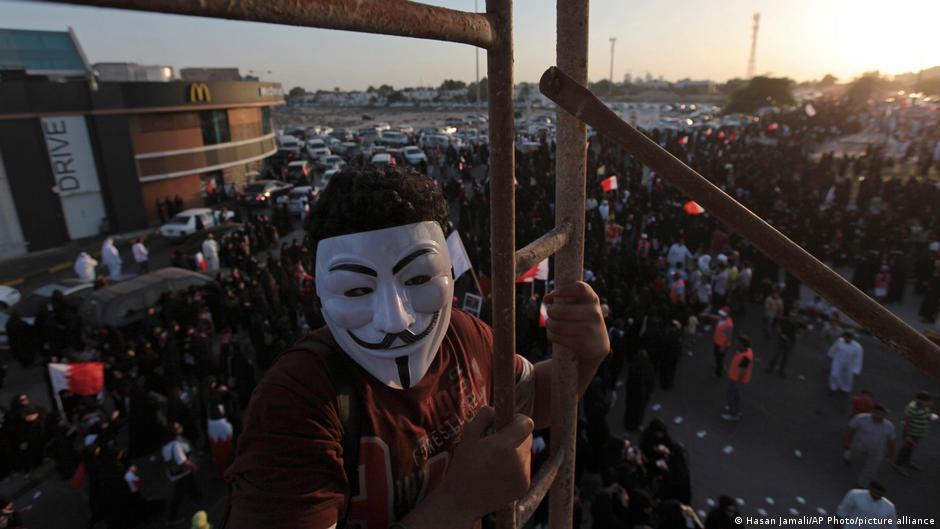
Former Bahraini MP Mohammed Khalifa Bouhamoud told BBC that "Legally, the Council relied mainly on Article 99 of the Constitution" in line with internal by-laws and disciplinary penalties tied to a deputy’s conduct.
A representative of the Bahrain Institute for Rights and Democracy, Sayed Ahmed Al-Wodai, told BBC that no parliament member should face deportation or citizenship revocation merely for exercising his 'natural right' to vote on decisions that do not align with the wishes of the king or the ruling authority.
War context and consequences
DW described how Jawad Feroz, a former Bahraini member of parliament, learned that he had accidentally lost his nationality after Bahraini authorities revoked the citizenship of about 990 other people, and it said this happened in November 2012 after he resigned from parliament in protest at the killing of protesters by security forces during what is known as the Arab Spring.
“Iran’s High Council for Human Rights has strongly condemned Bahrain’s decision to revoke the citizenship of 69 people, calling the move an “illegal and arbitrary” act amounting to “collective punishment” against civilians”
DW reported that Feroz sought asylum in Britain, later obtained British citizenship, and today runs the organization Salam for Democracy and Human Rights, while he feared what happened to him could happen to many other Bahrainis given the war in Iran.
Alhurra’s account emphasized that the cost of citizenship revocation extends beyond individuals to families, quoting Yahya Al-Hadeed, head of the Gulf Institute for Democracy and Human Rights, saying: 'My children, Fatima and Ali, no longer hold Bahraini citizenship.'
Alhurra also quoted Baqer Darwish, head of the Bahrain Forum for Human Rights, describing revoking citizenship in an interview with Alhurra as 'moral execution,' because authorities turned it into an indirect, collective deterrent.
More on Iran
Israel Built Secret Base in Iraq’s Desert to Support Air Campaign Against Iran
14 sources compared
Israel Built Secret Military Outpost in Iraq’s Western Desert, Then Struck Iraqi Forces
21 sources compared

Iran Warns Ships From US Sanctions Backers Won’t Be Allowed Through Strait of Hormuz
30 sources compared

U.S. Waits for Iran’s Response as Revolutionary Guards Threaten American Centers in Region
20 sources compared