Technology and Science01 April, 20261 min read
Baidu's Apollo Go Robotaxis Halt in Wuhan; 100+ Vehicles Stranded in Traffic
This article is an automated aggregation of coverage from news outlets. Our editorials offer in-depth analysis curated by the NewsCord team.
System malfunction halted more than 100 Baidu Apollo Go robotaxis in Wuhan. Passengers stranded for hours in stalled vehicles across Wuhan during the outage.
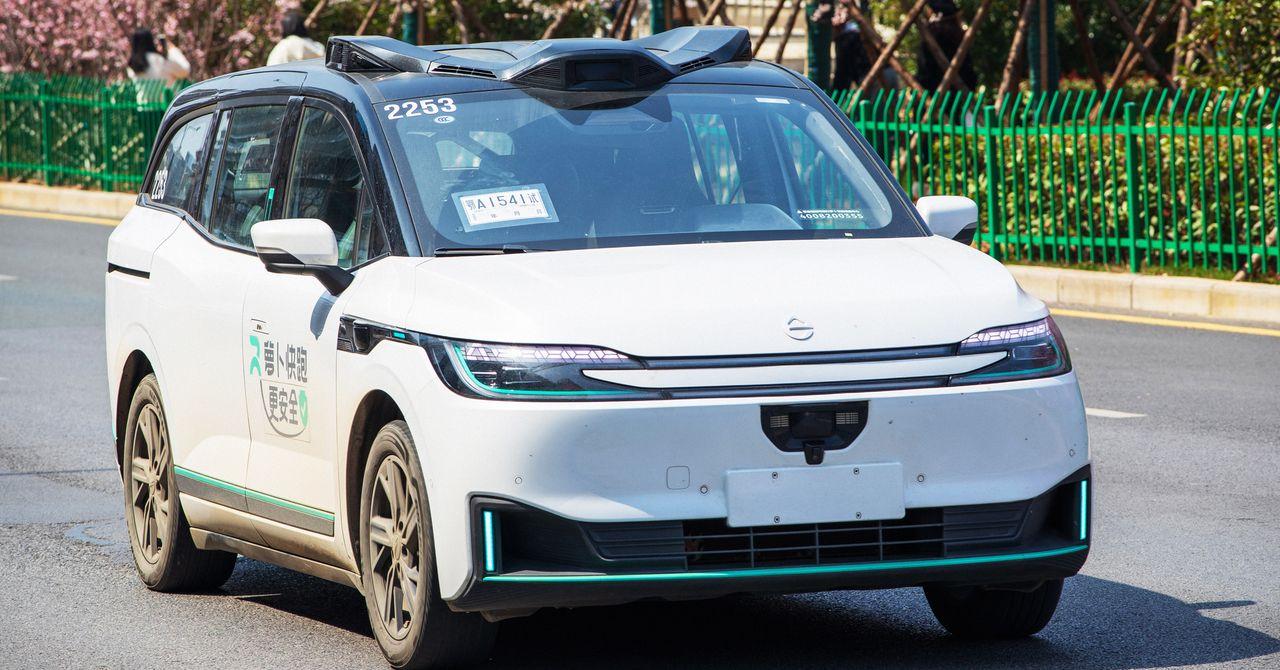
Mass Outage
More than 100 Baidu robotaxis stopped simultaneously due to a system malfunction. Passengers were stranded for up to two hours but exited safely.
At least three collisions occurred with traditional vehicles. This marks the first mass shutdown of robotaxis in China.

Passenger Experience
Passengers were trapped inside vehicles for extended periods without clear communication. In-car SOS buttons were unavailable and customer service calls disconnected.
One passenger was still charged the full fare. This highlights operational vulnerabilities beyond the driving tech.
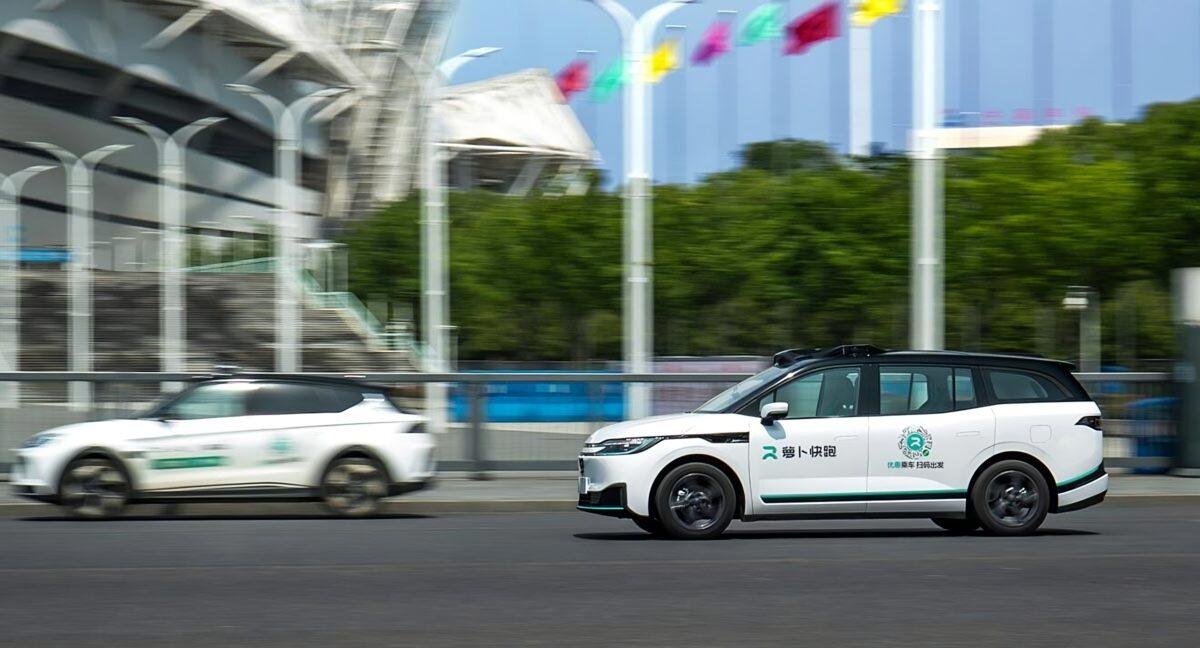
Safety Concerns
The outage reignited debate over robotaxi safety in China. Previous incidents included a vehicle running over pedestrians and a robotaxi falling into a pit.
Baidu and partners continue to expand robotaxi testing globally. Ensuring reliability remains paramount as systems move to commercial deployment.