Asia28 March, 20264 min read
Balendra Shah Government Arrests Former PM KP Sharma Oli, Ex-Home Minister Ramesh Lekhak
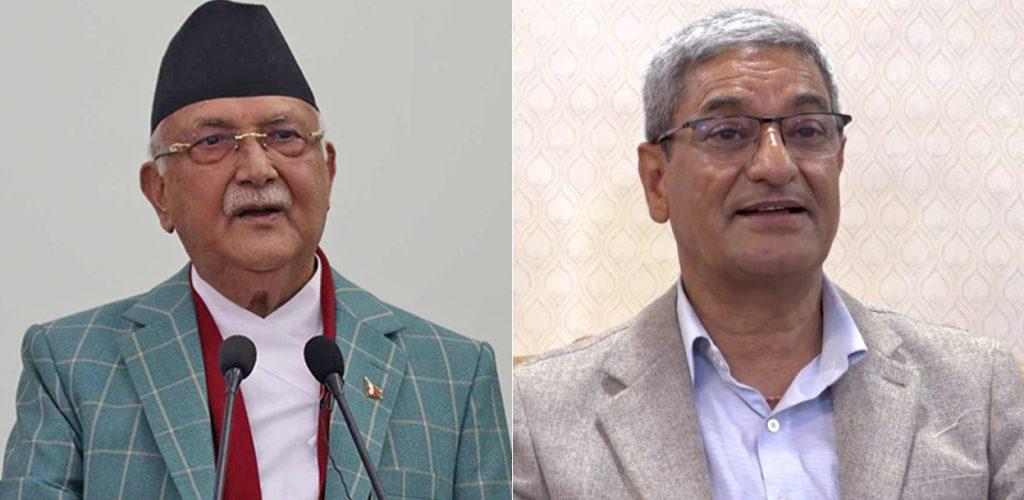
Former PM Oli and ex-Home Minister Lekhak arrested in culpable homicide probe. Arrests came a day after Balendra Shah was sworn in as prime minister.

New arrests redefine accountability
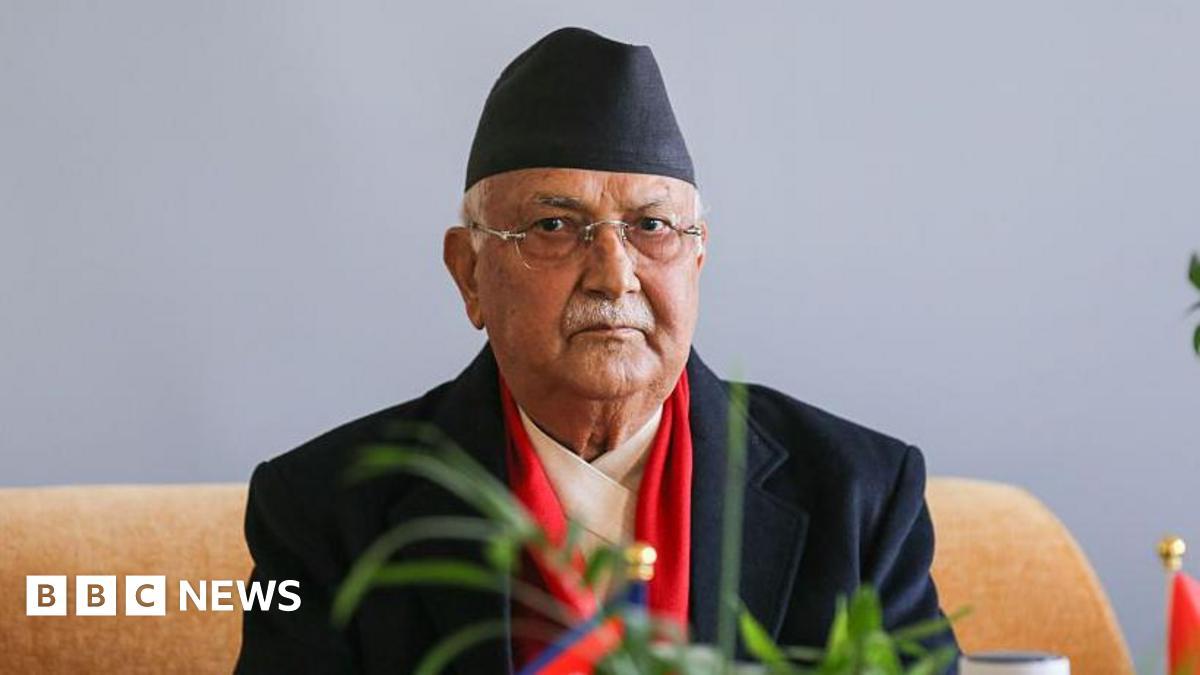
Arrests of former Nepal PM KP Sharma Oli and ex-home minister Ramesh Lekhak constitute the most consequential new development, signifying a top-to-bottom attempt to enforce the Gen Z protest probe after Balendra Shah’s government took power. Oli was taken into custody from his residence in Gundu, Bhaktapur, while Lekhak was detained from Suryabinayak in the same district, as security forces mobilized around Kathmandu Valley. The action is framed as implementing the Gauri Bahadur Karki-led inquiry’s recommendations, which named Oli, Lekhak, and then Police Chief Chandra Kuber Khapung for criminal negligence under Sections 181 and 182 of Nepal’s Muluki Criminal Code, carrying up to ten years in prison.
“Former Nepal Prime Minister KP Sharma Oli and ex-home minister Ramesh Lekhak were arrested on Saturday in connection with a culpable homicide case linked to the alleged suppression of the September Gen Z protests.”
Officials stress the arrests are about accountability, not vendetta, with Home Minister Sudhan Gurung and others arguing the measure reflects the law’s reach across former leaders. The arrests come soon after Balendra Shah was sworn in as Nepal’s youngest prime minister, as the country pivots toward a more aggressive stance on past violence and governance failures.
Probe recommendations and charges
Beyond the arrests, the underlying driver is the Gen Z probe panel’s detailed recommendations, which call for criminal proceedings against Oli, Lekhak, and then–Inspector General of Police Khapung under Sections 181 and 182 for criminal negligence. Its findings also name former Home Secretary Gokarna Mani Dawadi, APF chief Raju Aryal, former NID head Hutaraj Thapa, and Kathmandu’s former Chief District Officer Chhabi Rijal, suggesting action under the Muluki Code; penalties cited range up to ten years. Some outlets note the panel stopped short of proving a direct firing order, saying the commission found negligence rather than a specific command to shoot.
Authorities say the government intends to push ahead with the commission’s recommendations, including possible reprimands for senior officials such as IGP Dan Bahadur Karki and Narayan Dutta Poudel, which could affect promotions. Political observers warn the move could trigger a broader reckoning and intensified pushback from Oli’s CPN-UML and its supporters.

Political shift and backlash
The arrests unfold as Balendra Shah’s new government consolidates power, with his cabinet quickly endorsing the commission’s findings and pledging to pursue accountability. Oli branded the move politically motivated and vowed to challenge it in court, while Lekhak described the action as biased and promised legal and political resistance. Security was tightened across the Kathmandu Valley in the days leading to the arrests, underscoring the high-stakes nature of the confrontation between the new administration and the old guard.
“It comes a day after the nation's new prime minister, 35-year-old rapper-turned- politician Balendra Shah, was sworn in following an election triggered by the crisis.”
Officials and party affiliates framed the actions as a rule of law demonstration, with Home Minister Gurung insisting that 'no one is above the law'. The development foreshadows a contentious legal and political process that could redraw Nepal’s party dynamics as opponents leverage accountability rhetoric to press for broader reforms.
Casualties and context
The Gen Z protests that prompted the crackdown erupted in September 2025 after a social‑media ban and quickly spiraled into nationwide clashes that left at least 76 or 77 dead and hundreds injured. Initial reports say 19 protesters died on the first day, with further deaths as demonstrations spread to Parliament and government offices. Accounts from The Times of India, BBC, and South China Morning Post all place death tolls in the high dozens to upper-70s, illustrating the stark casualty asymmetry that the commission cited as driving its conclusions.
Analysts emphasize the prosecution of Oli and Lekhak is tied to a broader aim of ending impunity for security force actions during the crackdown. Human rights groups describe the crackdown as a watershed moment for accountability, even as political tensions escalate.
Upcoming legal trajectory
Next steps are procedural: Oli and Lekhak are to be produced before the Kathmandu District Court as the investigation proceeds, with charges potentially carrying three to ten years in prison depending on the provisions used. The government has signaled it will implement the commission’s report in full, excluding only cases involving security personnel, and has already mounted security deployments to sustain the process. Tough questions loom over the fairness of proceedings and the risk of political blowback against Shah’s new administration as supporters mobilize and critics call for caution.
“‘Nobody is above the law,’ wrote Home Minister Sudhan Gurung in a social post after the arrest.”
Legal experts note the case could set a precedent for accountability in future crowd-control operations, and could influence Nepal’s upcoming political calculations ahead of further elections. The outcome will hinge on evidence of negligence, investigative independence, and how the judiciary handles politically charged prosecutions.