BBC Details How Romance Scammers Moved £80,000 From North Yorkshire to Lagos
Key Takeaways
- Thirteen Nigerians arrested in Spain in Operation Loverboy for online romance scams.
- Nigerian-origin suspects linked to the UK and Nigeria in investigations.
- The scams were conducted via online dating platforms, affecting victims across Spain.
A global romance scam web
A BBC investigation into online fraud described how a romance scam can move across borders and payment systems, using a fabricated identity and staged emergencies to extract money.
“In 2024, Kirsty, a woman in her 40s living in North Yorkshire, met a man on a dating website who said he was an English businessman working in Turkey”
In 2024, Kirsty, a woman in her 40s living in North Yorkshire, met a man on a dating website who said he was an English businessman working in Turkey and shared a picture he claimed was of himself showing his “chiselled abs on the beach.”
The BBC said he claimed to be financially secure and used a banking website to persuade her he had $600,000 (£443,600) in savings, before telling her that after two weeks of chatting he had been mugged and his phone and computer had been stolen.
The BBC reported that he then asked her to buy him a phone and to pay some bills for him with her money, and that Kirsty bought a phone in the UK and posted it to a block of flats in northern Cyprus.
Over two months, the BBC said she transferred £80,000 from her bank account, borrowing £50,000 from her family, believing the man she loved was in trouble.
The BBC added that the phone ended up in Lagos, Nigeria, and that the £80,000 went to people with Nigerian, Romanian and other European names via money transfer services, while the “very sophisticated fake” banking website was registered in the US city of Baltimore.
The BBC also tied the case to a broader pattern, saying “Global fraud losses are now over half a trillion dollars a year” and that romance scams rose by 20% in the first quarter year on year between 2024 and 2025, according to Barclays.
Spain’s Loverboy arrests
While the BBC focused on an individual victim’s experience, Spanish authorities described a coordinated crackdown on online romance scams under Operation “Loverboy.”
El Mundo reported that the Guardia Civil detained 13 people as alleged authors of numerous online love scams carried out over the Internet, affecting people from localities including Huelva, Madrid, Barcelona, Valencia, Alicante, Oviedo, and the Basque Country.
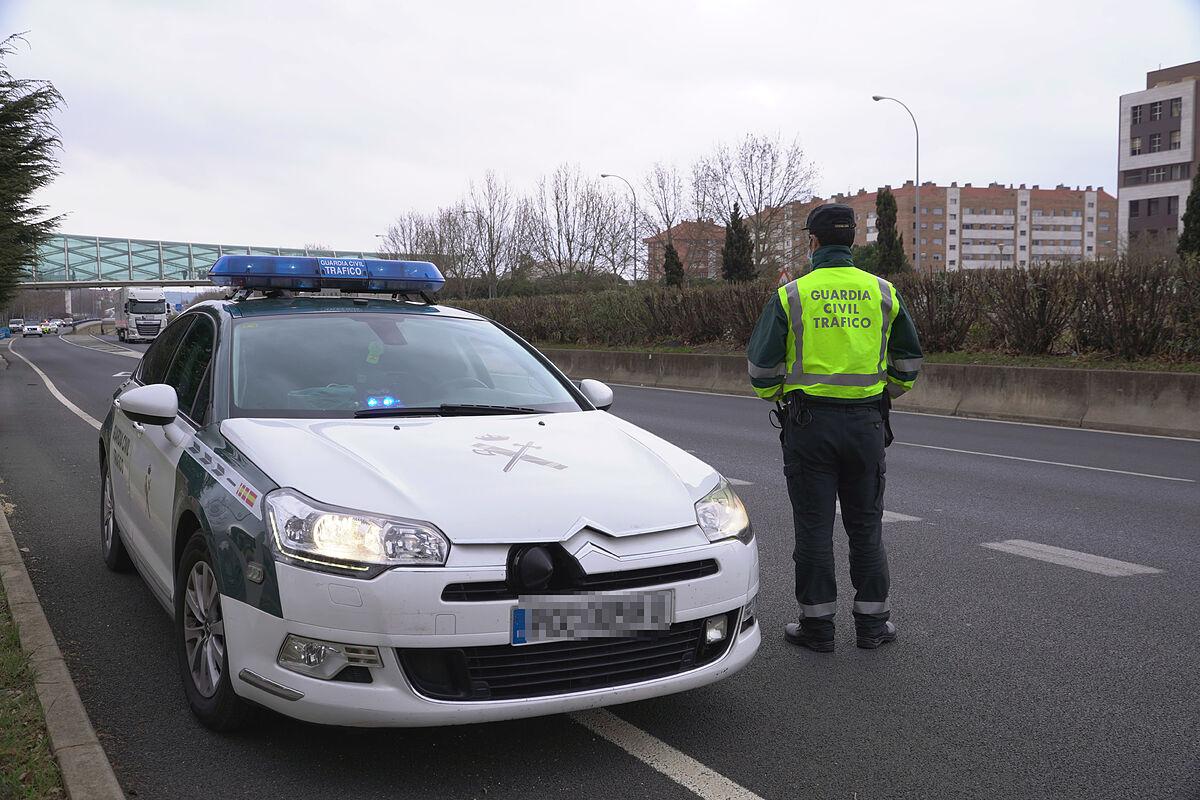
El Mundo said the operation began in June 2021 after one victim reported to the Guardia Civil that they had been defrauded via the Internet for months, as the perpetrators gained their trust and then “simulate situations of risk and need,” causing bank transfers in some cases exceeding 34,000 euros.
The El Mundo account stated that the Guardia Civil identified nine victims of Spanish nationality, and that three additional victims were located outside Spanish territory—Chinese, Polish, and French nationals.
El Mundo further reported that the scammers are believed to have committed fraud totaling more than 250,000 euros and that they invested a large portion of the money obtained in buying cryptocurrencies on various foreign platforms.
The interior.gob.es release echoed the same operational framework, saying the Civil Guard investigated 13 people as alleged authors of numerous online romance scams, “all of Nigerian origin and the majority residing in Spain,” with connections in other countries such as Italy, the United Kingdom, and Nigeria.
It also stated that the proceedings were brought before the Court of First Instance and Instruction No. 5 of Ayamonte, and it provided contact details for the Civil Guard’s Peripheral Communications Office in Huelva at 959 24 19 00 (Ext. 285) and 690 946 863.
How the scams are built
Across the BBC’s account and Spain’s official description, the mechanics of romance scams are presented as a blend of psychological manipulation and technical deception.
“The Civil Guard, within the framework of Operation 'Loverboy', has proceeded to investigate 13 people as alleged authors of numerous online romance scams, all of Nigerian origin and the majority residing in Spain, with connections in other countries such as Italy, the United Kingdom, and Nigeria”
The BBC said Kirsty’s scammer used a “very sophisticated fake registered in the US city of Baltimore,” and it described how he used a banking website shortly after meeting her to persuade her he had $600,000 (£443,600) in savings.
It also described the scam’s escalation: after two weeks of chatting, he said he had been mugged and his phone and computer had been stolen, then asked her to buy him a phone and to pay some bills for him with her money.
El Mundo and interior.gob.es both described the “virtual boyfriend/girlfriend” scam as a “virtual relationship that can last several months” until the offender gains the victim’s trust and begins asking for money.
El Mundo said the perpetrators “simulate situations of risk and need,” and it explained that once trust is gained they cause victims to make bank transfers, with amounts in some cases exceeding 34,000 euros.
The interior.gob.es release added further detail about the scam’s narrative structure, saying the scammers claim they “cannot access their own assets because they are in another country,” that it is for charitable causes, or that it is to access “a multi-million euro inheritance of which they are the beneficiary.”
It also described how the deception continues by making the victim believe they will come to live in Spain, with further demands for “plane tickets, sending luggage or valuables” and claims that items are “held at customs” if amounts demanded by foreign authorities are not paid.
The BBC’s broader framing connected these tactics to the pandemic-era shift to online life, saying “We bought more online and socialised more online,” and that scammers increased their use of social media including WhatsApp.
Pandemic conditions and hard-to-police hubs
The BBC linked the rise in scams to changes in behavior and the availability of criminal infrastructure, describing how lockdown-era online activity increased opportunities for fraud.
It said that “As governments across the world restricted the movements of their citizens during Covid lockdowns from 2020, people spent more time online,” and that “We bought more online and socialised more online, and this brought us closer to the people who want to scam us.”
The BBC also described a shift in the tools used by scammers, saying “realistic video impersonations, voices, websites, and texts became more commonplace, and scammers increased their use of social media including WhatsApp.”
It further described how global layoffs created a “new labour force” that could be recruited by criminal networks, citing Ilias Chatzis, acting head of the UN Office on Drugs and Crime.
The BBC quoted Chatzis saying: “Some of these scams are in almost lawless areas or in areas which are controlled by armed gangs… that the governments may have very little control over.”
The BBC then gave Myanmar as an example, saying “Myanmar is one country that has become notorious for its scam centres,” and describing how these “have their roots in the 1990s” when illegal casinos were set up.
The BBC said these buildings were “cracked down on,” but that during the pandemic they were “increasingly used as the operational hubs for scams,” and it added that when the military junta seized power in 2021, “the civil war that ensued helped criminals capitalise on the chaos within the country and scam centres flourished.”
In the BBC’s framing, the combination of cross-border payment flows and difficult governance in some scam hubs makes enforcement challenging, even as governments and companies push for international cooperation.
What happens after arrests
The Spanish cases show what authorities say victims and investigators do next, while the BBC frames the broader policy challenge as ongoing.
“The Guardia Civil has detained 13 people as alleged authors of numerous online love scams carried out over the Internet, affecting several people from localities in Huelva, Madrid, Barcelona, Valencia, Alicante, Oviedo, and the Basque Country”
In Spain, interior.gob.es said the Civil Guard advised victims to file a report as soon as possible, noting that during the investigation it identified nine victims of Spanish nationality and that “many of them were being scammed at that moment,” so they were alerted and informed by officers.
It also said that the investigation has counted on the collaboration of the judiciary and various financial institutions for clarification and resolution, and that the proceedings were brought before the Court of First Instance and Instruction No. 5 of Ayamonte.
El Mundo similarly described that the Guardia Civil identified victims and alerted them, and it said the investigation began in June 2021 after a victim reported being defrauded for months.
The BBC, meanwhile, described a policy response that includes international cooperation, saying “For the first time, a joint agreement has been signed between nations to combat scamming,” while also emphasizing that “criminal techniques are becoming increasingly sophisticated.”
The BBC also highlighted the scale of losses and the UK’s own figures, saying “City of London police saying £106m was lost in the UK in 2024 alone to scams like the one Kirsty fell prey to.”
It added that the UK government says “70% of scams come from overseas,” and that they are usually through criminal gangs, which helps explain why the BBC’s question is whether countries can “prevent many more people like Kirsty being conned out of their savings.”
Taken together, the sources depict a cycle in which victims are targeted through online relationships, authorities intervene through investigations like Operation “Loverboy,” and the underlying cross-border nature of scams continues to shape enforcement priorities.
More on Crime

Gunman Kills Eight Children in Shreveport, Louisiana; Police Fatally Shoot Suspect in Chase
30 sources compared
Trinidad Police Service Investigates Unlawful Disposal of 56 Bodies, Including 50 Infants, in Cumuto
16 sources compared

Jesy Nelson Appeals After Stolen Black Land Rover Defender With Twin Daughters’ SMA Equipment
11 sources compared
California Trio Sentenced in Operation Bear Claw Bear-Suit Insurance Fraud at Lake Arrowhead
20 sources compared