Technology and Science29 April, 20267 min read
Birmingham Women and Children’s Hospital Pilot Offers Earlier Care After Miscarriage
This article is an automated aggregation of coverage from news outlets. Our editorials offer in-depth analysis curated by the NewsCord team.
Early care after first miscarriage could prevent over 10,000 annual miscarriages. Researchers urge NHS to adopt new miscarriage prevention methods.
Trial targets earlier support
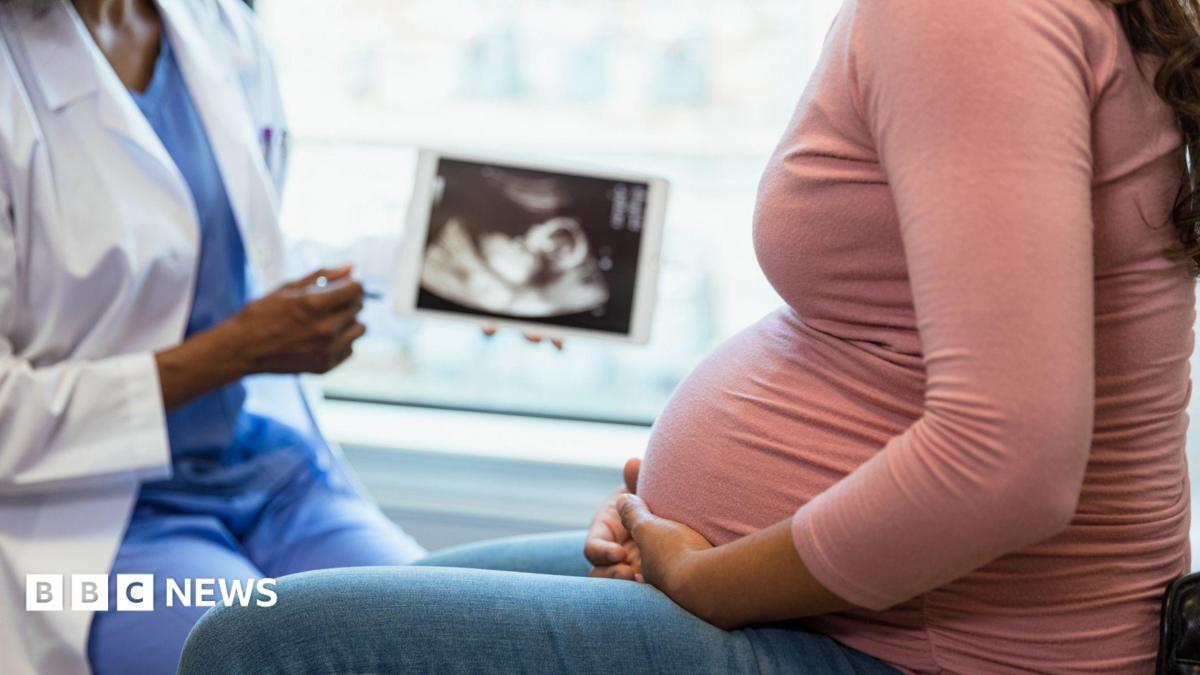
A new miscarriage prevention approach is being tested through a pilot project at Birmingham Women and Children’s Hospital that aims to intervene earlier than current NHS pathways. The BBC describes how Lisa Varey, 34, was invited on to the pilot after going through “two devastating miscarriages,” and says experts believe it will prevent “thousands of miscarriages every year” by offering earlier checks and advice. The BBC reports that tests showed Lisa would benefit from taking the hormone progesterone to help maintain her pregnancy and “a regular aspirin tablet to increase the chances of a healthy birth.”
The BBC also explains that the pilot compared two groups of 203 women who had previously suffered miscarriages, with one group treated under standard NHS care and the other treated with a different model of care. In that model, the new pathway started after just one miscarriage and gave women progressively more care after each baby loss, while researchers say it found “a small reduction in the miscarriage rate among its test group.”
The BBC adds that one in five women in the study had treatable health issues, including “abnormal thyroid function and anaemia,” and that the pilot could prevent around 10,000 miscarriages a year if findings were implemented across the NHS. ITV News similarly reports that the trial showed “10,000 could be prevented each year” by giving women follow-up care after their first miscarriage, and says the charity Tommy’s is encouraging the NHS to adopt the approach nationwide.
What the graded model does
The pilot’s “Graded Model of Miscarriage Care” is built around escalating interventions after each loss, starting with support after the first miscarriage rather than waiting for a third. ITV News says the charity is calling for the NHS to adopt its “Graded Model of Miscarriage Care” nationwide, following a pilot by researchers at Tommy’s National Centre for Miscarriage Research and Birmingham Women’s Hospital, showing improved outcomes for women and families. Under the model, ITV News reports that after a first loss women are offered “a one-to-one consultation with a specialist nurse” to discuss health before conception and during pregnancy, and that the approach is designed to be delivered “without significant additional workload for NHS teams” in existing Early Pregnancy Units.
After two miscarriages, ITV News says patients would be offered tests for anaemia and abnormal thyroid function, and if they go on to have a third, women would be offered the current standard NHS care and a referral to a recurrent miscarriage clinic. The BBC provides additional detail on the pathway, stating that as part of the project women who had suffered one miscarriage were given a one-to-one consultation with a specialist nurse to discuss lifestyle changes, including “reducing alcohol consumption and giving up smoking,” and using the hormone progesterone.
The BBC also states that after a second miscarriage, women were tested for anaemia and abnormal thyroid function and were offered early scans to reassure them the pregnancy was advancing normally. LBC likewise describes the same structure, saying the NHS would intervene earlier with women offered a one-to-one consultation after their first loss, with tests for anaemia and abnormal thyroid function after two miscarriages and standard care after a third.
Numbers, outcomes, and detected risks
The sources provide specific figures about the trial’s participants, the proportion of women with treatable risk factors, and the reported effect on subsequent pregnancy outcomes. ITV News reports that the trial included “203 women with a history of one or more miscarriages” who were given early intervention, along with “203 who had the usual care.” It says that “Of the women who had the graded model of care, 86% had one or more factors detected that could increase their risk of future miscarriages,” compared to “58% in the group who had standard care.”
ITV News also states that “women treated using the graded model had a 4% lower risk of a pregnancy after miscarriage ending in another loss.” LBC similarly cites the 203-and-203 structure and repeats the 86% versus 58% comparison and the “4 per cent lower risk” figure, while also adding that “one in five” were found to have “either thyroid problems or anaemia” among women who had two losses.
The BBC frames the same pilot as comparing two groups of 203 women and says researchers found “a small reduction in the miscarriage rate among its test group,” while also noting that one in five women in the study had treatable health issues such as “abnormal thyroid function and anaemia.” The BBC also reports that the pilot could prevent around “10,000 miscarriages a year” if findings were implemented across the NHS, while ITV News and LBC both give a more precise estimate of “10,075 miscarriages every year” and “more than 10,000 losses a year.”
Voices: patients, charity, and ministers
The reporting includes direct testimony from participants, along with statements from Tommy’s leadership and government officials about the need for earlier care.
The BBC quotes Lisa Varey describing the emotional impact of the gap in support, saying: “There's so much support for pregnant women, but it didn't always feel like there was any support for women who were no longer pregnant.”
The BBC also quotes Emily, 42, saying the experience left her feeling like her body had “failed” her, and later adding that “Knowing there were things that could make a difference. That gives you some hope to hang on to.”
ITV News includes a nurse’s perspective on the trial ending, quoting: “That’s the heartbreaking thing,” one of the nurses told me, and it describes how women arriving at the Early Pregnancy unit in Birmingham can no longer be offered additional support.
ITV News also quotes Fay Wickett, who said: “I’m so grateful the big change with this model is that usually a lady would have to have three miscarriages before they would be able to access an appointment with a consultant, but I was included after two.”
In the same ITV News report, Myleene Klass, an Ambassador for Tommy’s, says she was due to meet Health Secretary Wes Streeting on April 27 but that he “cancelled,” and she argues: “It’s cruel, we’re making the women in this country suffer needlessly.”
LBC quotes Tommy’s chief executive Kath Abrahams saying NHS care is “inconsistent and generally involves no follow-up or tests until after a third loss,” and it includes her statement that “Put simply, it is the right thing to do.”
Policy stakes and next steps
The stakes described by the sources center on whether the graded model will be adopted across the UK and what that would mean for NHS costs, access to services, and the scale of pregnancy loss.
Professor Arri Coomarasamy argues that the “three miscarriage wait” is an “unacceptable anomaly,” telling the BBC: “We don't do that with any other medical condition. If somebody has a heart attack, we don't say have your third heart attack and then we will see if there is anything we can do.”
He also says the findings, if rolled out across the NHS, could save NHS money, with the BBC stating that “The pilot suggests the extra costs of staff and training are outweighed by the money saved having fewer women miscarry.”
ITV News reports that Tommy’s experts say one year of implementing the graded model could save the NHS “over £40 million across the UK,” based on preventing 10,075 miscarriages, and it adds that Scotland has already begun integrating the model into its miscarriage care pathway.
LBC similarly says the measures could save the NHS “more than £40 million after one year,” and it quotes Kath Abrahams calling on policymakers in England, Wales and Northern Ireland to embed the approach, adding that Scotland has already embedded it into its miscarriage care pathway.
The sources also describe government engagement: LBC says the Government has pledged to review miscarriage support in the new Women’s Health Strategy, and it quotes Baroness Merron saying its findings “will be carefully considered.”
ITV News adds that Myleene Klass said she was due to meet Health Secretary Wes Streeting on April 27 to discuss the findings but that he “cancelled,” and she said she does not care about the meeting, insisting: “Like many women, she just wants someone to do something to improve outcomes.”