
Crime · 11 May, 2026 · 3 min read
Bolivia Court Declares Evo Morales in Contempt, Orders Arrest and Travel Ban in Tarija
Morales failed to appear at Tarija court opening hearing for aggravated human trafficking. Tarija court declared him in contempt and ordered his arrest and travel ban.
How notification irregularity is characterized (edict vs valid procedure).
9 of 11 outlets skipped it: morales defense claims not personally notified; served by edict..
11outlets compared
Same story, two versions
tap a side to read it in full
Conflicting terminology can imply different legal consequences.
Trial suspended in Tarija
A Bolivian court in Tarija suspended the start of the oral trial against former president Evo Morales for alleged aggravated human trafficking after he failed to appear, declaring him in contempt and ordering an arrest warrant and arraigo travel ban.
“The hearing for the start of the trial against Morales was installed at 8:30 am local time in Tarija.”
EFE said the hearing was set for 8:30 am local time in Tarija, and that the tribunal declared Morales in contempt for failing to attend the start of the judicial proceedings.E
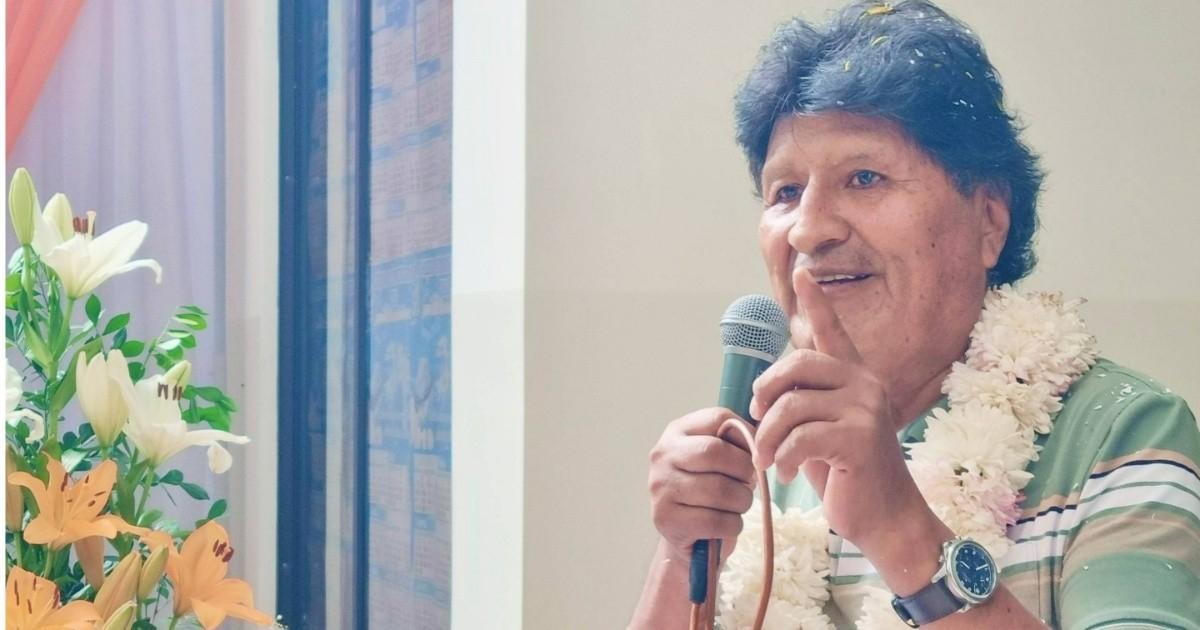
The court’s order required the National Directorate of Migration to proceed with a national-level travel ban for Juan Evo Morales Ayma within the criminal proceedings filed against him by the Attorney General Office for the crime of human trafficking.
EFE reported that Morales has remained since Oct. E2024 in the Tropics of Cochabamba, a coca-growing region in central Bolivia, and that police could not execute an arrest warrant because his followers blocked roads for 24 days between October and Nov. 2024.
In El País’s account, Judge Carlos Oblitas declared Morales in contempt on Monday for failing to appear before the Tarija court, and the order included an arrest warrant and a travel ban reported by Supreme Court Justice Grover Mita.
Defense disputes notice
Morales’s lawyers and the Public Prosecutor’s Office framed the no-show differently, with EFE reporting that Wilfredo Chávez said Morales was not personally notified and instead received a judicial edict. EEFE quoted Chávez saying the edict, in his opinion, constitutes a "fundamental procedural defect," and it also reported that Morales has been under the custody of hundreds of his followers to prevent the execution of an arrest warrant. EIn El País’s account, Morales’s legal team said he would not appear because they considered the case a “political persecution” and alleged irregularities in the criminal proceedings, while Supreme Court Justice Grover Mita said the Code of Criminal Procedure allows for notifications “in person or digitally.”
El País also reported that the Prosecutor’s Office claims to have gathered more than 170 pieces of evidence to initiate a trial against Morales, and that the case dates back to 2020 after images and text messages between Morales and a teenager were leaked. In UPI’s account, the judge said, "Because the accused failed to appear and did not legally justify his absence, this court issues a contempt ruling," and UPI added that the trial would remain suspended until Morales is arrested or voluntarily appears.
Arrest and political fallout
The contempt ruling triggered immediate consequences intended to secure Morales’s appearance, including an arrest warrant, travel restriction orders, and measures to prevent him from leaving Bolivia. UPI reported that authorities issued an arrest warrant authorizing security forces to detain Morales anywhere in the country and prevent him from leaving Bolivia, and it added that the court ordered freezing his bank accounts and precautionary registration of his assets. In EFE’s reporting, Morales’s case has been built around allegations that he maintained a relationship with a minor, with whom he purportedly had a daughter while he was president of Bolivia in 2016, and EFE said the Tarija Prosecutor’s Office reiterated it gathered over 170 pieces of incriminating evidence for the oral trial, including 39 witness statements.E
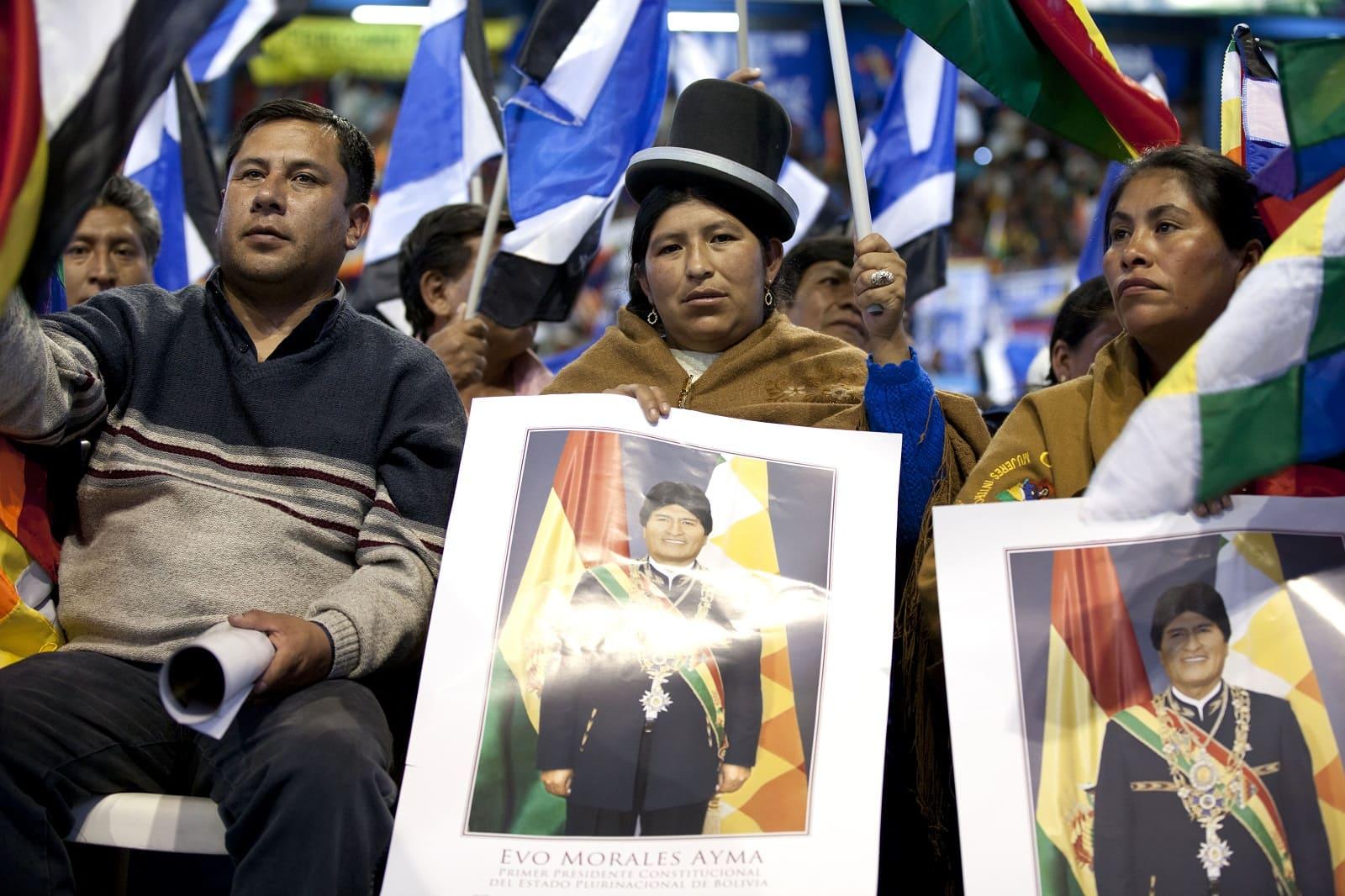
El Mundo said Morales remains in the Tropic of Cochabamba since October 2024 under the custody of hundreds of his loyalists to prevent the execution of a capture order, and it reported that police could not execute a detention order because Morales’s followers blocked roads for 24 days between October and November 2024. ETeleSUR reported that Prosecutor Luis Gutierrez announced the suspension of the trial until Morales voluntarily appears before the court or police execute an arrest warrant, and it said Gutierrez explained enforcement corresponds to the police and “is not an attribution” of the Prosecutor’s Office.