Crime31 March, 20261 min read
Boston Uber Eats Driver Jailed for Raping Customer After Returning to Home
This article is an automated aggregation of coverage from news outlets. Our editorials offer in-depth analysis curated by the NewsCord team.
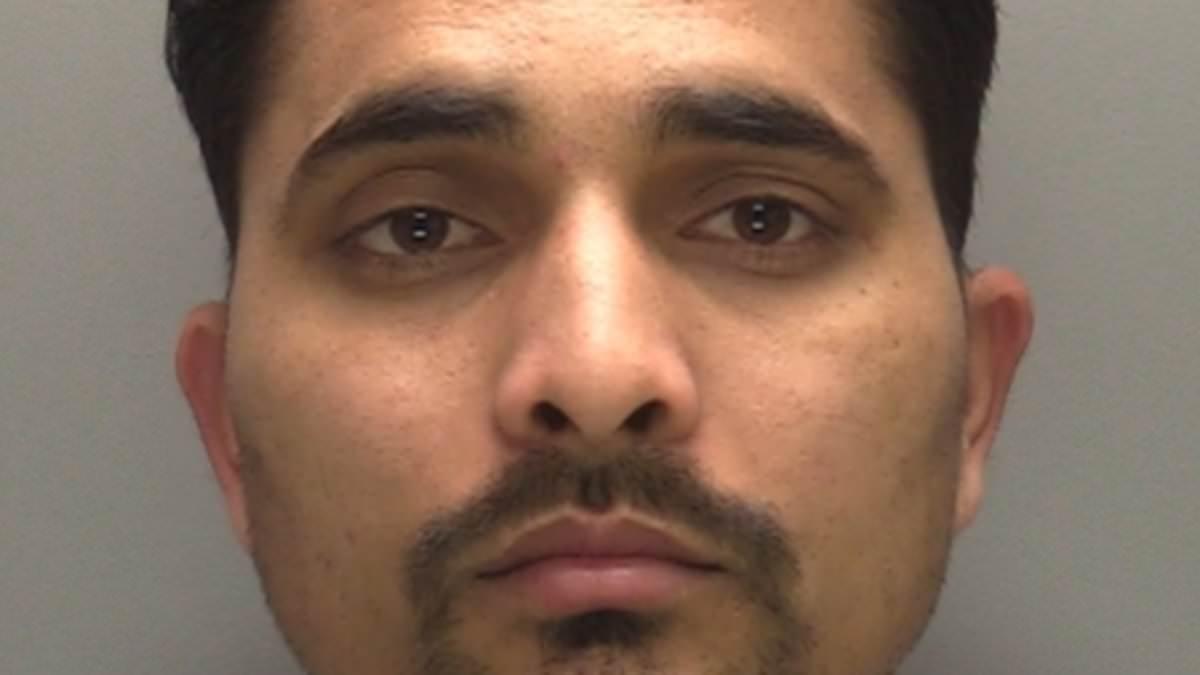
Jitendrakumar Prajapati, 47, Uber Eats driver, raped a customer after returning to her Boston home. Initial contact included asking help with a visa and obtaining her number and Instagram handle.

Driver Returns, Commits Rape
Prajapati was sentenced after pleading guilty to raping a customer. He initially struck up a conversation and obtained her contact details.
He returned hours later and committed the assault. He sent an apology message after leaving.
Victim's Courage Leads to Arrest
The victim contacted police after the assault. Prajapati was arrested the same evening.
The non-fatal strangulation charge was later dropped. Police traced the vehicle to Prajapati.
30-40 Migrants in Boston Probed
Lincolnshire Police investigated 30 to 40 similar cases. 34 suspects had been charged across the region. 14 cases had resulted in prosecution.
Debate Grows Over Immigration and Crime
The case reignited debate over immigration and crime in Boston. Council leader called for cross-party discussions. MP Warman lamented the impact on the community's good name.
Uber Issues Apology
Uber issued an apology. They said they take safety very seriously. They are cooperating with police.