Sports27 March, 20263 min read
Bristol City Appoints Roy Hodgson As Seven-Game Interim Head Coach, Launches Sporting Director Recruitment
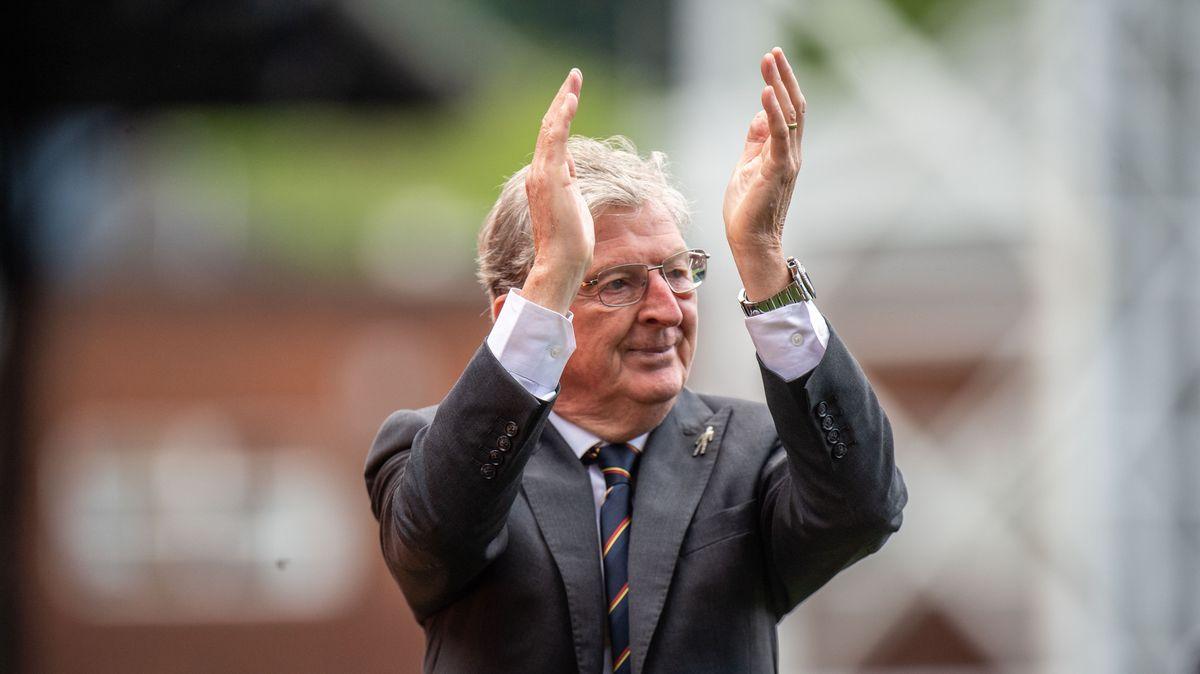
Roy Hodgson, 78, interim Bristol City head coach until season's end after Struber's sacking. Returns to Bristol City, club he managed in 1982, after leaving Crystal Palace in 2024.

New era begins, plan outlined
Bristol City's most consequential new development is Hodgson's interim appointment as head coach for seven games, paired with a broader structural reset that signals the club intends to change both on-field leadership and its long‑term recruitment model. Roy Hodgson, 78, was installed after Gerhard Struber was dismissed, with Bristol City also moving Bernd Eibler from the first team and shifting technical director Brian Tinnion into an academy-focused role, while saying a Sporting Director will be recruited to appoint a permanent successor. The club framed Hodgson's return as more than a short-term fix, stressing that his remit includes setting the standards and values the club will need going forwards across the remainder of the season.
“Roy Hodgson will take charge of the men’s first team until the end of the season.”
This combination of a high‑profile interim appointment and organizational restructuring marks a pivotal inflection point for the Robins. Hodgson will lead the team starting with the Good Friday match at Charlton Athletic, with his seven‑game tenure designed to buy time for a longer‑term plan to take shape.
Structural reform and plan
Beyond the seven‑game stint, the club has laid out a concrete plan to reset personnel decision‑making, most notably the recruitment of a Sporting Director who will have a direct input into appointing a new permanent head coach. The messaging from Bristol City emphasizes that Hodgson’s appointment is about 'the standards and values' the club needs going forward, not just immediate results, and that the sporting director will play a central role in recruiting the long‑term successor.
Several outlets quote the same view from City officials, signalling a shift toward a more formalized, long‑term leadership structure in tandem with Hodgson’s short‑term role. The combination of interim governance and a permanent recruitment pathway distinguishes this from typical caretaker arrangements.
Context of upheaval
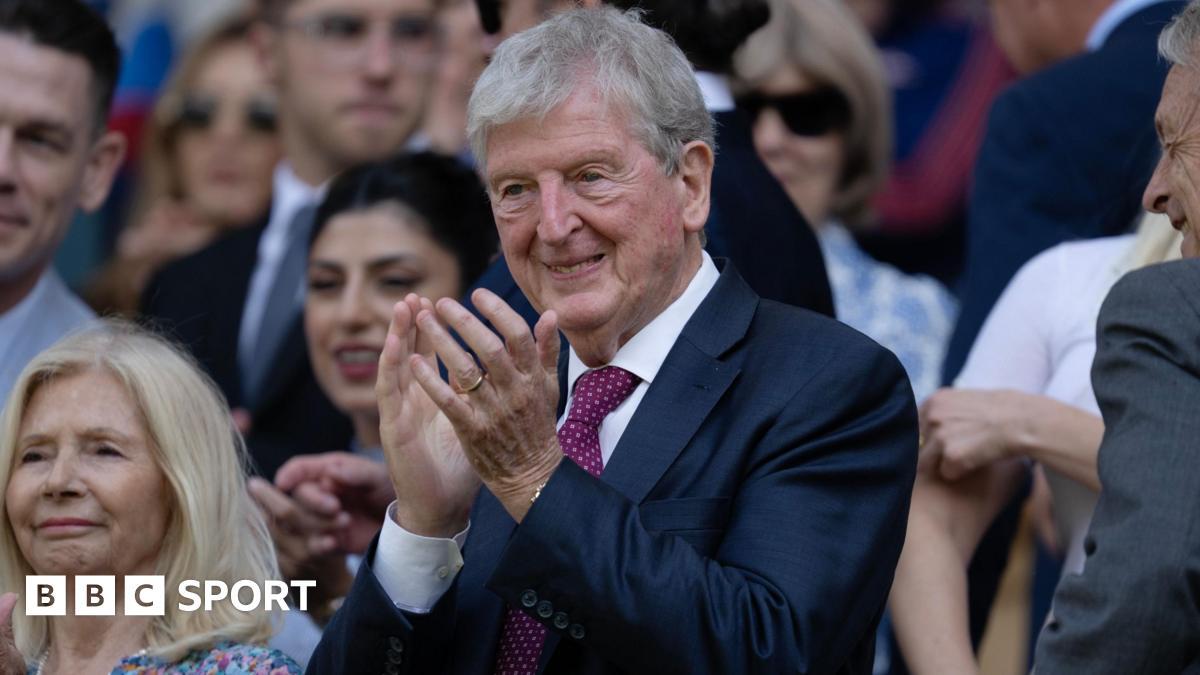
The appointment arrives amid a broader turnover at Bristol City, including Struber’s dismissal after a run of one win in nine matches and the January exits of key players Zak Vyner and Anis Mehmeti, moves that cast doubt on the club’s short‑term trajectory even as Hodgson prepares for seven games. BBC coverage notes Struber and his assistant Bernd Eibler leaving immediately, while other outlets detail how the January window destabilized the squad and left City chasing a revised plan.
“Struber and assistant head coach Bernd Eibler will leave with immediate effect.”
The Guardian adds that Struber’s departure came with Eibler leaving, underscoring a wider reshaping of staff as Hodgson arrives. MARCA and The Daily Star also link Struber’s exit to a broader slide in form, with Bristol City eight to nine games without a win and well off the playoff pace.
Age, records, global attention
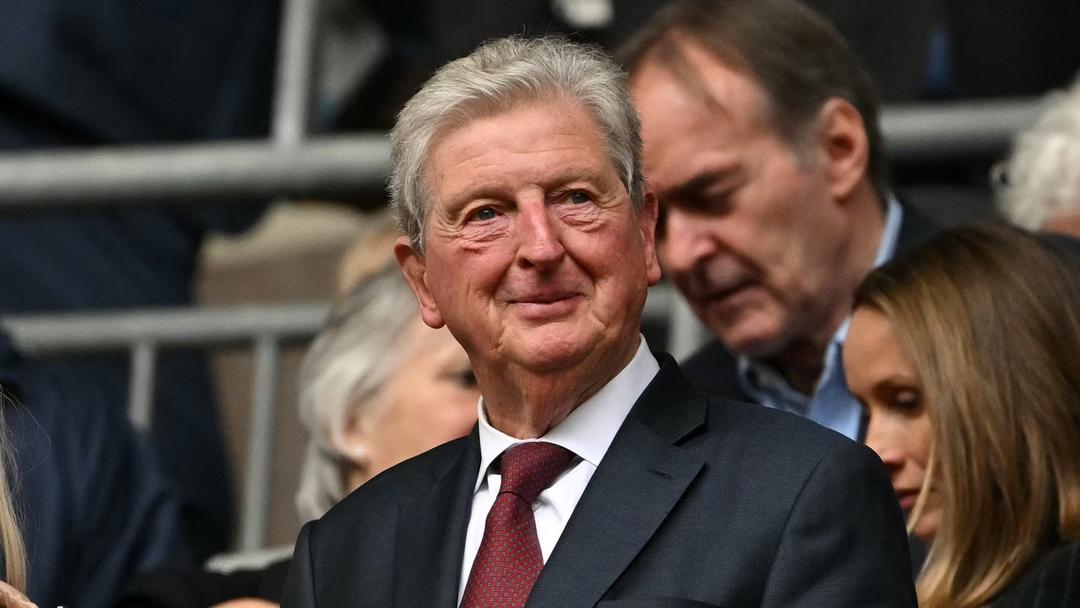
Hodgson’s return also repositions the club within a wider footballing landscape, as attention turns to his age and the unprecedented nature of a 44‑year gap between spells at Bristol City. BeIN SPORTS highlights that Hodgson’s 78 years make him the oldest active coach in both the Premier League and the EFL.
The Times notes that Hodgson will break the record for time between games managed at the same Football League club. The Guardian emphasizes the novelty of a 78‑year‑old returning to the dugout, while Vanguard underscores the cross‑continental attention such a move attracts.
Global framing of a veteran return
The international interest in Hodgson’s return reflects a broader appetite for global context around English football’s aging coaching icons, with non‑Western outlets highlighting the drama of a veteran manager reentering the English game after more than four decades. Korean outlets describe Hodgson’s return as a notable event at Bristol City, with translation emphasising the seven‑game horizon and the Sporting Director’s looming appointment.
“Hodgson will lead the first team until the end of the season.”
Asian outlets frame the move as part of a broader narrative about experience over novelty, contrasting Hodgson’s longevity with the rapid turnover of many clubs. Nigerian and other African outlets also trumpet the story as a high‑profile example of a veteran coach returning to a mid‑table club to stabilize a season.