Crypto25 March, 20263 min read
CAB and Europol recover 500 BTC from Dublin drug dealer linked wallet
This article is an automated aggregation of coverage from news outlets. Our editorials offer in-depth analysis curated by the NewsCord team.
CAB and Europol gained access to Clifton Collins's dormant Bitcoin wallet after nearly a decade. Wallet contained 500 BTC valued at about $35 million.

7 outlets told this the same way.
Major Crypto Recovery
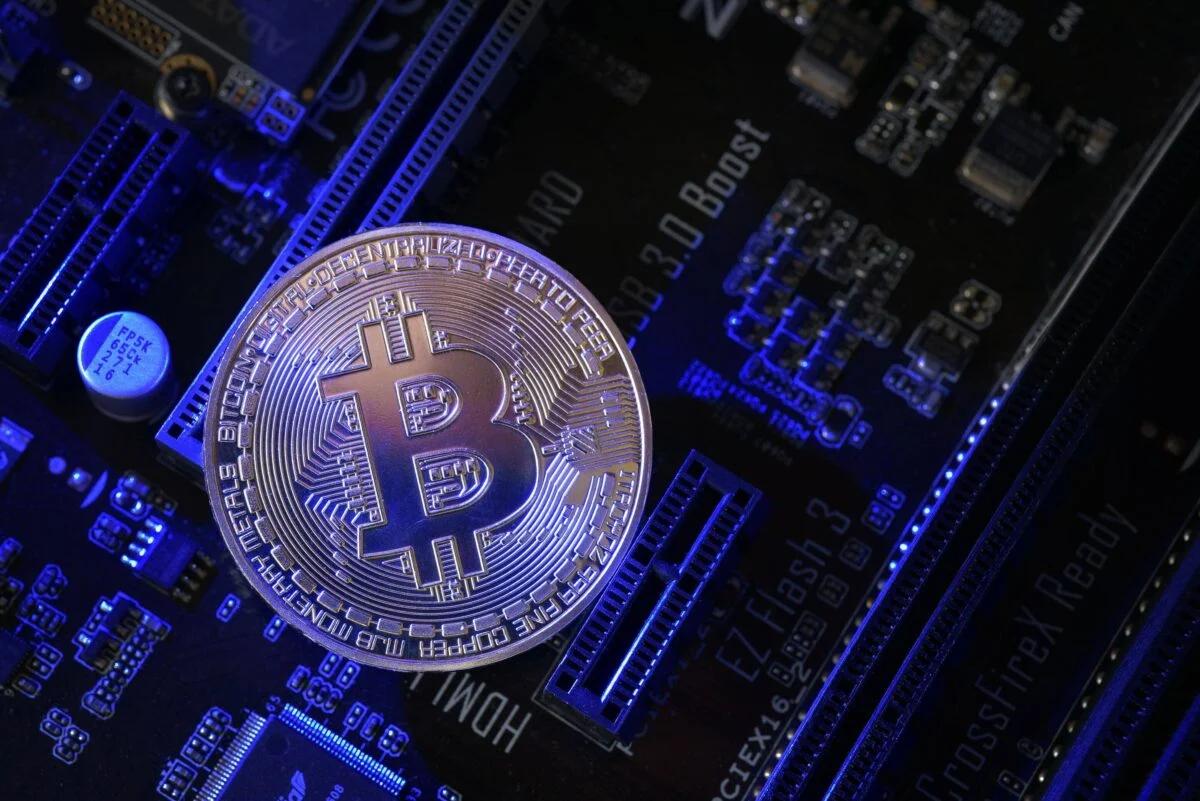
Irish police and Europol have successfully recovered 500 Bitcoin (BTC) from a wallet that had been frozen for nearly a decade. The Criminal Assets Bureau (CAB) announced on Tuesday that it had gained access to and seized the cryptocurrency wallet containing approximately $35 million worth of BTC. Crucial technical support was provided by Europol's European Cybercrime Centre for this complex operation.
“Irish authorities have regained access to a Bitcoin wallet long considered permanently locked, in a rare development that challenges assumptions around lost private keys.”
The recovery challenges the long-held belief that lost private keys result in permanent loss of cryptocurrency funds. This demonstrates advances in technical capabilities and collaborative approaches to complex cybercrime investigations. The case highlights how blockchain transparency allows investigators to track assets even when direct access is unavailable.

Collins' Crypto Empire
The recovered cryptocurrency originates from Clifton Collins, a Dublin-based drug dealer who built his Bitcoin fortune using proceeds from illegal cannabis operations between 2011-2012. Collins, who worked as both a security guard and beekeeper before turning to drug production, purchased approximately 6,000 BTC when prices were very low. He implemented a basic security measure by splitting his holdings equally across 12 separate wallets, each containing 500 BTC.
The wallet accessed by authorities represents one of these 12 original wallets. The remaining 11 are still locked and inaccessible despite containing the majority of Collins' original stash. This strategic distribution across multiple wallets has become a subject of intense interest for investigators and cybersecurity experts.
Lost Keys Mystery
The lost private keys stemmed from surprisingly low-tech origins that ultimately locked away millions in cryptocurrency. Collins stored the access codes for his Bitcoin wallets on a single sheet of A4 paper, hidden inside a fishing rod case at his rented property in Galway. After his 2017 arrest during a routine traffic stop, his landlord cleared out the entire property and discarded all contents.
“He printed the private keys on a single sheet of paper and hid them inside a fishing rod case at his rented home in Galway. Collins was arrested in 2017 after police found cannabis during a routine traffic stop. His landlord then cleared the property and sent his belongings to a landfill.”
The fishing rod case containing the only copy of the private keys was almost certainly destroyed in this process. Collins later suggested that a potential break-in at the property could have also contributed to the disappearance of the access codes. This left both Collins and authorities believing the Bitcoin fortune was permanently inaccessible due to blockchain technology.
Technical Breakthrough
The technical breakthrough that enabled access remains shrouded in secrecy, with authorities providing only minimal details about the sophisticated methodology. Europol has acknowledged providing 'highly complex technical expertise and decryption resources' but has deliberately avoided sharing specific information. This lack of transparency has sparked intense speculation about possible recovery methods.
One theory suggests investigators may have broken through a weak password protection using brute force techniques. Alternatively, experts speculate that Collins might have used a flawed tool when generating key pairs, allowing reconstruction. The fact that only one wallet has been accessed so far suggests the method may not be universally applicable to all 12 wallets.
Staggering Current Value
The recovered 500 BTC represents merely a fraction of what was originally acquired, yet its current astronomical value underscores dramatic crypto appreciation. When Collins first accumulated his Bitcoin stash between 2011-2012, the 6,000 BTC was valued at approximately €53 million. Following the Irish High Court's confiscation order in 2020, the same amount would have been worth around €350 million.
“At that time, the holdings were worth about €53 million. Today, their value has surged to roughly €360 million.”
With Bitcoin's recent market surge, the total 6,000 BTC stash is now valued at approximately €360 million. The remaining 11 wallets still contain approximately 5,500 BTC, representing a potential windfall for Irish authorities. The case has transformed from an unsolvable cryptographic puzzle into a potentially lucrative asset recovery operation.
Security Implications
The successful recovery carries significant implications for both cryptocurrency security and law enforcement capabilities. The recovery demonstrates remarkable advances in technical capabilities and international cooperation. It shows that even seemingly permanent cryptocurrency losses can potentially be overcome through sophisticated investigative methods.
This success could bring back millions in dormant assets to the market, potentially improving liquidity. However, the breakthrough also raises serious security concerns within the cryptocurrency community. The fact that authorities accessed wallets once considered permanently inaccessible may create fear around cryptocurrency security.
Users rely on the principle that properly secured private keys are unbreakable, and this case challenges that assumption. The recovery represents a pivotal moment that could reshape how both criminals and legitimate users approach cryptocurrency storage.