Canada18 April, 20266 min read
Canada Cuts Tariffs on Chinese Electric Vehicles, Capping Imports at 49,000 Per Year
This article is an automated aggregation of coverage from news outlets. Our editorials offer in-depth analysis curated by the NewsCord team.
Canada will allow up to 49,000 Chinese EVs per year at 6.1% tariffs. Agreement includes tariff relief on canola and other goods.
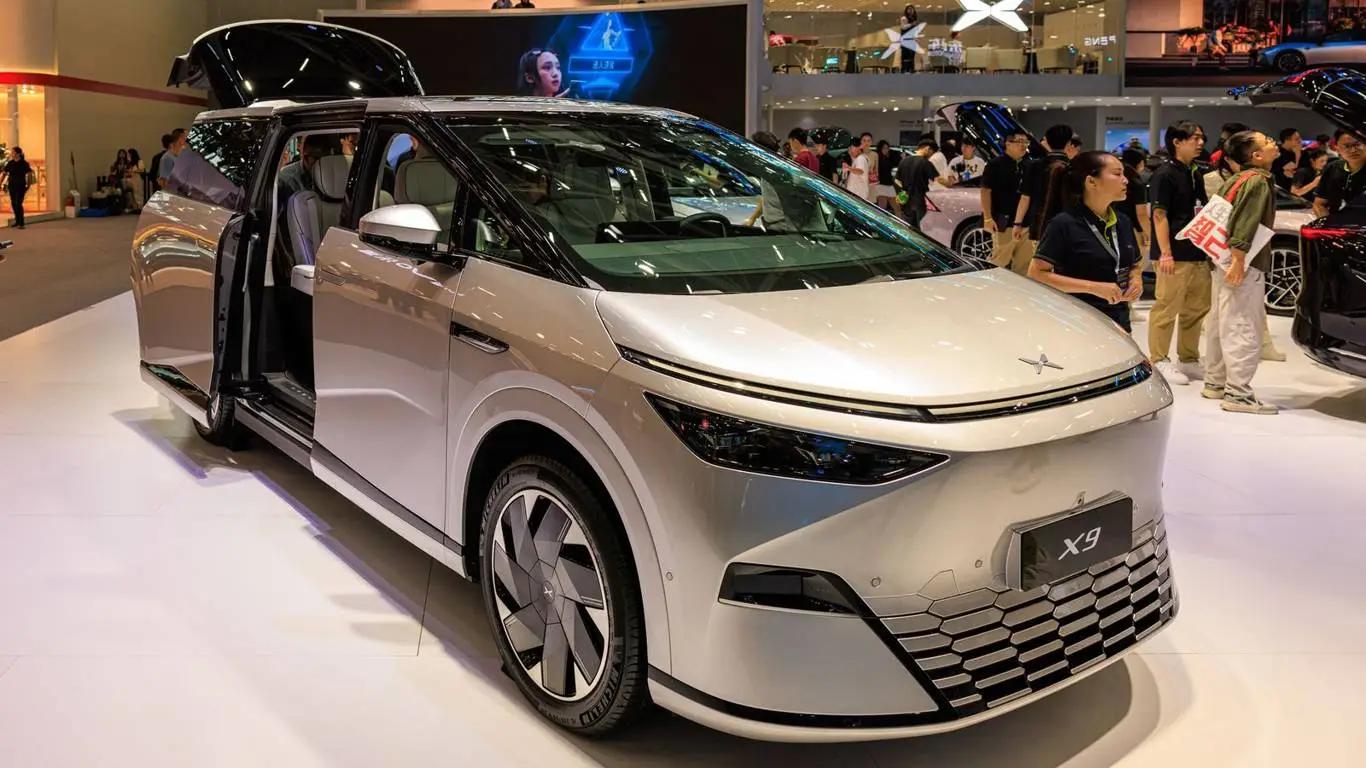
Tariff cut and EV quota
Canada’s new trade arrangement with China is designed to restart Chinese electric-vehicle sales in Canada by sharply reducing tariffs while limiting the number of vehicles that can enter. Multiple outlets describe the core terms as a quota of up to 49,000 Chinese electric vehicles per year at a reduced tariff of 6.1%, replacing a prior 100% tariff imposed in 2024. The South China Morning Post says Canada “cut tariffs on Chinese EVs from the start of last month,” and it frames the new rate as “6.1 per cent – down from more than 100 per cent.”
The same outlet reports that “low-tariff imports [are] capped at 49,000 vehicles a year,” and it adds that fans and foes of Chinese electric vehicles are “holding their breath for brands like BYD to hit the market.” The electrive report ties the quota to the volume imported before the recent trade disputes, stating that “This quota matches the volume imported prior to the recent trade disputes over these imports.”
It also specifies a tariff trigger after the quota is reached, saying that “Beginning with import number 49,001, the 100% tariff will be reinstated.” In parallel, the Revista Capital account says the agreement is “in principle” and that “Dates for the full implementation of this agreement have not yet been specified,” while still repeating the 49,000/6.1% structure.
The EVs-for-canola bargain
The tariff reduction for Chinese electric vehicles is presented across the sources as part of a broader exchange that includes Canadian canola and other agricultural products. The CnEVPost describes the bilateral pact as the “EVs-for-canola” agreement, saying that Canada “agreed to exempt up to 49,000 Chinese-made EVs annually from a 100% tariff they previously faced” and that those quota-eligible vehicles would be subject to “a 6.1% most-favored-nation tariff rate.” In return, it says “the Chinese government committed to slashing its import tariff on Canadian canola to 15% from a comprehensive level of about 85%.”
The electrive report similarly states that “Starting March 1, for example, the tariff on Canadian canola imports will be reduced to about 15% (currently 85%).” The Europa Press account also ties the swap to rapeseed, stating that “China will reduce the tariffs on rapeseed from the current 84% to 15% by March 1.”
It adds that “rapeseed meal, peas, lobster, and crab will no longer be subject to 'anti-discriminatory' levies.” El Periódico de la Energía says the changes “could boost exports abroad by about 3 billion dollars.”
Ministerial talks in Guangzhou
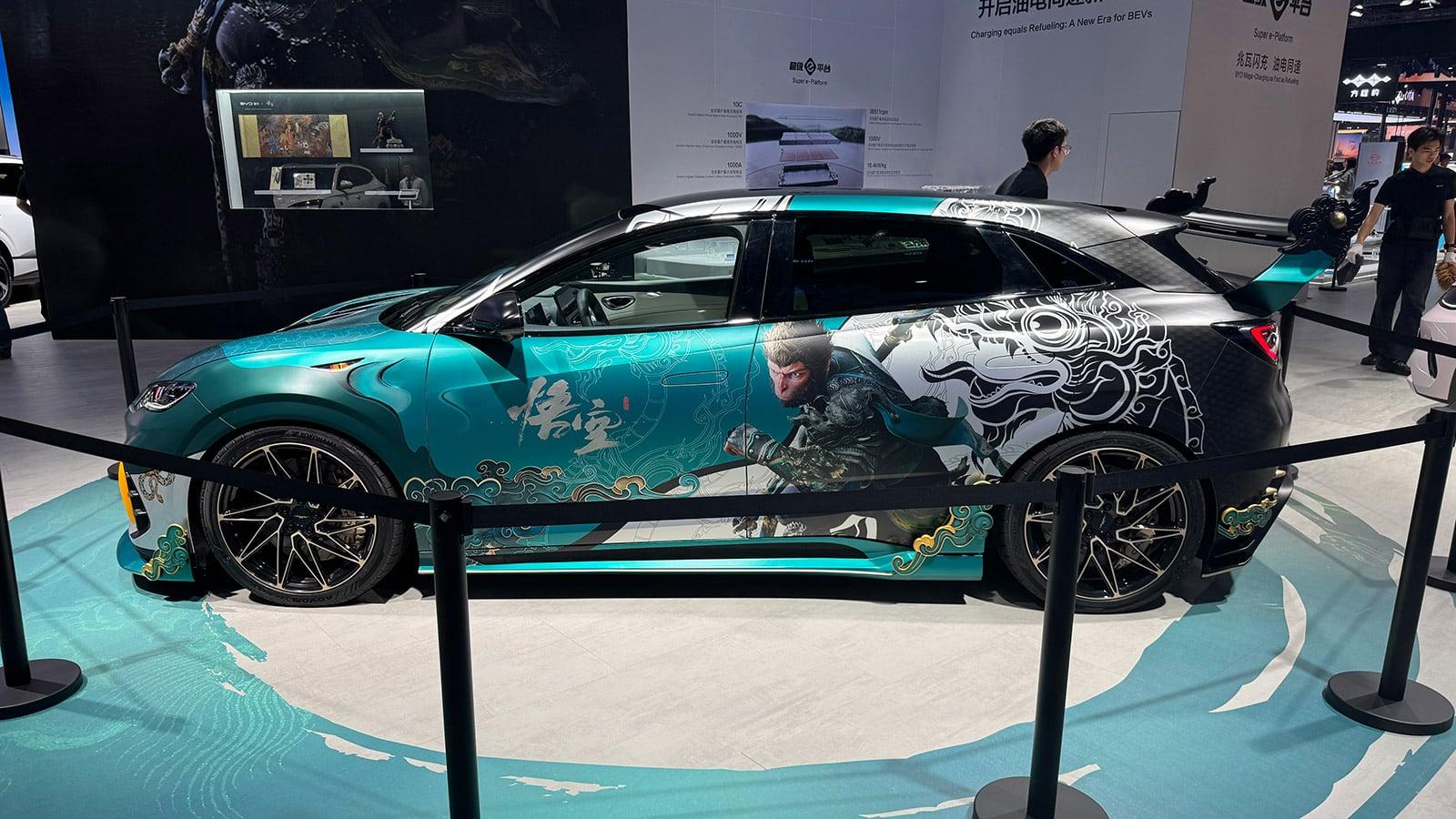
Canadian officials are described in the sources as actively pitching the EV investment and market-entry pathway to Chinese automakers during a trip to South China. CnEVPost says Canadian International Trade Minister Maninder Sidhu “engaged with BYD, Xpeng and GAC in Guangzhou during an official visit to South China.” It says Sidhu’s discussions focused on “market-entry pathways under Canada's newly implemented EV import quota system.”
It adds that Sidhu “highlighted to the automakers Canada's regulatory supply chain requirements, as well as the prospects for long-term investment and collaboration in the country.” Автомобильный портал 32CARS.RU says the deal includes “a quota system: up to 49,000 Chinese EVs per year can now be imported into Canada at a reduced tariff of just 6.1%.”
It also says “Canadian authorities are pushing for localization, meaning the use of local components and labor could become a mandatory condition for investments.” The South China Morning Post quotes John Currie in Toronto: “I fully expect my next car to be a Chinese EV – after they set up shops here.”
Conflicting views and security claims
The sources also show sharp political and security-related disagreement inside Canada about the implications of opening the market to Chinese electric vehicles.
The Híbridos y Eléctricos report quotes Ontario Premier Doug Ford criticizing the vehicles as “spy vehicles,” saying: “I’m not sure whether President Trump wants Chinese spy vehicles to cross the border, but I bet the answer is no.”
It further depicts Ford linking the controversy to communications surveillance, quoting him: “When you use your mobile phone, it’s the Chinese who will listen to your conversations, and I’m not making this up.”
The same source says Ford learned about the agreement “only a few hours before it was announced,” and it includes his complaint: “I learned of this agreement, and the automakers as well, by the way, just a few hours before it was announced. This is where cooperation ends.”
It also quotes Ford calling the decision “extremely disappointed,” and it frames his economic concern by saying it “will not have positive consequences, but will affect both workers in the sector and the supply chains.”
In contrast, Alberta Premier Danielle Smith is quoted as supportive if security is guaranteed, saying: “I trust that Canadian security authorities will take all necessary measures to ensure that the vehicles and other products sold in Canada do not pose a threat to privacy laws or to the national security interests of our country.”
Motorpasión reports that US Transportation Secretary Sean Duffy said the move would keep Chinese cars from entering the U.S., and it quotes Ford: “We are allowing China into a market that will have tariffs lower than our largest market, the United States. This was not adequately considered. There was no consultation. It was an instinctive reaction.”
What happens next for jobs and investment
Beyond the tariff numbers, the sources describe the agreement as a mechanism intended to trigger investment, reshape Canada’s EV supply chain, and manage geopolitical risk with the United States. electrive says the agreement is expected to trigger “new and substantial investments by Chinese joint ventures in Canada with trusted partners to protect and create new automotive manufacturing jobs for Canadian workers, and to ensure a robust build-out of Canada’s EV supply chain.” It also states that the agreement includes “increased investments in solar, wind, and energy storage technologies,” and it quotes the Office of the Canadian Prime Minister describing the strategic intent: “Canada is building a stronger, more independent and more resilient economy.”
The CnEVPost adds that Canadian Industry Minister Melanie Joly has insisted that “any new auto sector investments must utilize local Canadian labor and parts,” which it says could conflict with BYD’s preference for full ownership, quoting Stella Li’s view that “BYD prefers to fully own and independently operate its own plant.” Автомобильный портал 32CARS.RU highlights geopolitical pressure, saying Washington has warned Canada about “potential trade measures if the country becomes a conduit for Chinese EV exports to the American market.”

It also reports that BYD is considering building its own factory and that “Stellantis is exploring the option of assembling Chinese models in Ontario.” Finally, electrive describes a longer-term affordability target, saying “in five years, more than 50% of these vehicles will be affordable EVs with an import price under $35,000.”