Cancel Culture Debate Splits Entertainment, Politics, and Cultural Institutions Over Freedom Of Expression
Key Takeaways
- Cancel culture debates pit freedom of expression against accountability in entertainment, politics, and culture.
- High-profile cases span Julien Lacroix, The Kinks, Kanye West, and the Canon banquet.
- Opinions range from condemning cancellations as medieval censorship to endorsing accountability and forgiveness.
Cancel Culture Debate
A debate over “cancel culture” is playing out across entertainment, politics, and cultural institutions, with competing arguments about whether boycotts and public condemnation protect freedom of expression or threaten it.
“Julien Lacroix announced that he is ending his career as a comedian, claiming to be 'physically and mentally tired' by the weight of the portrait of a 'predator' leveled against him, despite the absence of complaints or formal accusations”
In a piece published by Semanario Universidad, Jacques Sagot argues that society has shifted from creating to “unmake,” describing a “great monomania” to “prohibit” and warning that people are being “cancelling things and people, purging society of everything that is 'politically incorrect,' until we are reduced to the most absolute emptiness.”
The same framing—whether cancel culture is a form of expression or a threat to speech—appears in Cultura Inquieta, where the author quotes BBC journalist Eva Millet: “Those who defend it say that it is a way to give a voice to marginalized minorities and to limit what is unacceptable. By contrast, its critics warn of the danger it poses to freedom of expression.”
RTVE.es, meanwhile, connects the concept to celebrity controversy and public apologies, saying “The pressure on social media leads many of these artists to publicly apologize,” while asking whether it “make[s] sense to keep talking about cancel culture?”
In the background of these arguments, the entertainment world is also seeing disputes over how to interpret past art and statements, from classic film scenes to modern music criticism.
Across the coverage, the question is not only what gets canceled, but how institutions, artists, and audiences respond when controversy turns into public pressure.
Hollywood, Music, and Interpretation
The entertainment disputes described in the sources show how cancel culture arguments often hinge on interpretation—whether audiences should treat older works as products of their time or as evidence of unacceptable harm.
In Semanario Universidad, Jacques Sagot argues that if “Pepe Le Pew is forbidden” then “we would have to prohibit half of everything Hollywood produced,” pointing to a forced kiss scene in “River of No Return,” starring Marilyn Monroe and Robert Mitchum, and quoting the physical dynamic of the scene in detail.
He frames the act as violence—“Let's be clear: I do not applaud Mitchum's gesture. I regard it as an act of violence”—while still arguing against banning the films, saying “But that does not mean I will ban all the films (some of them classics) in which this kind of kiss is staged.”
In ABC’s report on The Kinks, the controversy is similarly about how lyrics are read, but the dispute is modern and public: Moby labeled the song “transphobic,” and ABC says the band’s “song 'Lola' sixty years late (and poorly)” has become a flashpoint.
ABC quotes Moby’s reaction to the track, including “I thought the lyrics were crude and transphobic. I like their early music, but I was very surprised at how outdated the lyrics are.”
The Kinks’ guitarist and founder Dave Davies responds on social networks, saying, “I feel very insulted that Moby would accuse my brother (Ray Davies, The Kinks' songwriter) of being 'less evolved' or transphobic in any way,” and adds, “We're not transphobic. Why does he have to attack us?”
The ABC piece also includes a letter from Jayne County that argues the song “broke the ice” and “brought to light a topic that used to be taboo,” quoting County: “Lola will always be one of those songs that, for me, broke the ice, so to speak.”
Together, the sources depict entertainment controversy as a contest over meaning, audience context, and who gets to decide what counts as harmful.
Institutions and Cancellations
Beyond individual artists, the sources describe cancellations that reach into institutional funding and public events, turning entertainment controversies into policy disputes.
“The Espacio V Centenario will be the venue for this edition, which will host the knockout rounds on May 7 and 8 and will feature teams from the Granada, Ceuta, and Melilla campuses”
In The Times of Israël, about twenty representative organizations of artists, dancers, musicians, writers, and other professionals signed a letter opposing Culture Minister Miki Zohar’s cancellation of several artistic prizes in 2026, with the letter arguing that “These prizes don't just go to creators — they strengthen the entire cultural ecosystem.”
The article says the first organizations to notice were the organizers of the Dvora Omer Prize, which “offers a 100,000 NIS scholarship for youth literature,” and it quotes Iris Ronli Riklis, CEO of the Forum of Cultural Institutions, describing how “They understood that their endowment had been canceled: that was the trigger.”
The Times of Israël also reports that subsidies totaling “nearly 5 million NIS” were canceled across sectors, including “60 prizes in literature, 40 in visual arts, 20 music scholarships, and four in dance,” and it notes that some signatories wondered whether the cancellations were intended to benefit a prize Zohar created.
Zohar’s public justification is quoted directly on X, saying, “For years, prizes have been awarded to artists and creators across a wide range of fields using Israeli taxpayers’ money, clearly ignoring artists whose opinions align with the majority of the population,” and he added, “Consequently, I ordered that no more prizes be funded until the creation of a professional committee charged with awarding them to artists and creators representative of all segments of society.”
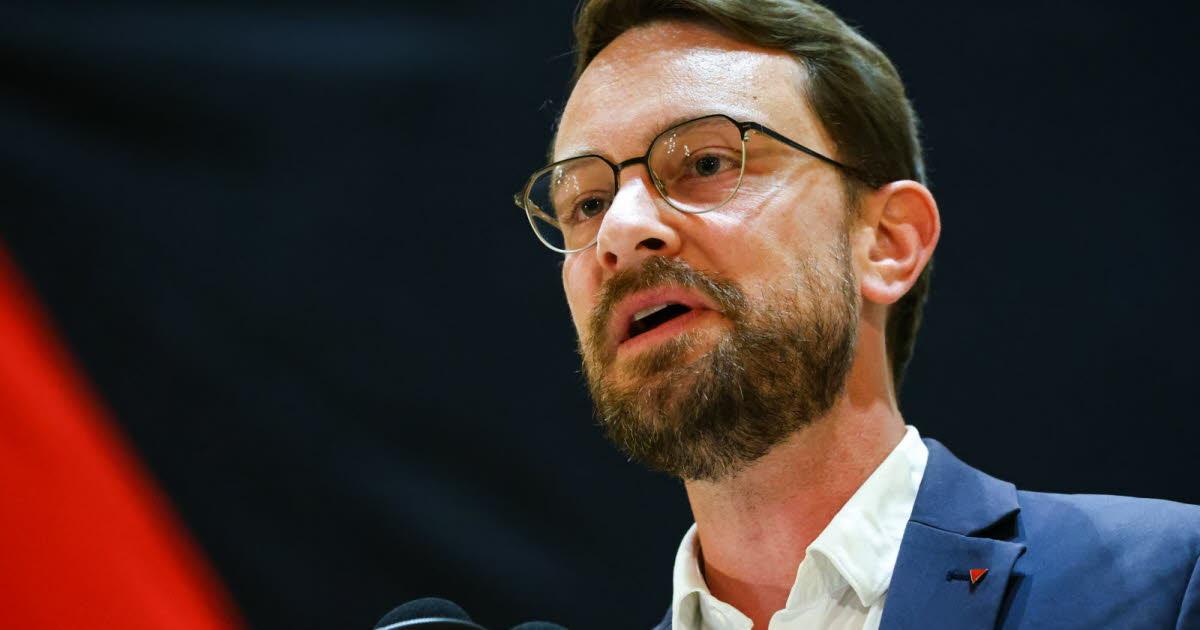
In France, DNA reports that LFI deputy Emmanuel Fernandes called for cancellation of the Canon banquet in Colmar, arguing that “Colmar must not become a showcase for the normalization of the far right.”
The same DNA piece ties the controversy to earlier events, saying that on April 18 the Canon Français meal in Normandy, Caen, sparked controversy when people shouted “sexist and Islamophobic remarks,” and it adds that “Nazi salutes were even observed.”
These institutional disputes show cancel culture extending beyond social media into funding decisions and event approvals, with named officials and named cultural bodies arguing over what should be allowed and supported.
Controversy, Apologies, and Fallout
Several sources also focus on how public apologies and public pressure shape outcomes for entertainment figures, and how critics argue that retreat can worsen the situation.
In The Intercept’s essay “Never Apologize,” the author recalls the era when “the specter of cancellation loomed large” and says that “with few exceptions, you should not publicly apologize, and you should not retreat.”
The essay discusses former FBI Director James Comey’s “second indictment stemming from a dumb joke he literally wrote in the sand,” describing how Comey spelled out “86 47” and posted the photo online, then deleted the post and retreated, quoting Comey: “I didn't realize some folks associate those numbers with violence. It never occurred to me but I oppose violence of any kind so I took the post down.”
The Intercept then contrasts that with a different apology scenario involving New York City Mayor Zohran Mamdani, where a spokesperson issued a “conciliatory statement” that “Mayor Mamdani has been clear and consistent: Hamas is a terrorist organization, October 7th was a horrific war crime, and he has condemned that violence unequivocally.”
The essay says the apology was not accepted and quotes an Anti-Defamation League leader’s response: “However, we have not heard from [Duwaji]. Does she have a problem with the author and her statements? We just don't know.”
It also quotes Abulhawa’s reply to Mamdani’s apology, saying, “You succumbed to forces that seek to pick away at you, at your talented, beautiful wife, and at your work, clawing harder with each apology or concession you make.”
In 98.5 Montréal, the entertainment angle is direct: Julien Lacroix announced he is ending his career as a comedian, saying he is “physically and mentally tired” by “the weight of the portrait of a 'predator' leveled against him,” and Nathalie Normandeau calls it “a 'condemnation worthy of the Middle Ages' and a 'people's court' that refuses rehabilitation.”
Luc Ferrandez adds that there is unease among men speaking about the subject for fear of being “put through the mill” by association, and the segment quotes Normandeau: “Julien Lacroix was the victim of a condemnation worthy of the Middle Ages at the time when one burned heretics at the stake.”
Together, these accounts depict cancel culture as a cycle where apologies, statements, and reputational pressure can become part of the story rather than a resolution.
Debates and Public Events
The sources also show cancel culture being turned into formal debate topics and public programming, suggesting that the controversy is now treated as a subject for structured discussion.
“Alsace: LFI deputy Fernandes calls for the cancellation of the Canon banquet in Colmar”
Canal UGR says registration is open for the “3rd Rector's University Debate Tournament,” which will center on cancel culture and asks the guiding question: “Do boycott and cancel culture reflect a more critical society?”
The tournament is scheduled with knockout rounds on “May 7 and 8,” and the event will be held at the “Espacio V Centenario,” with teams from the “Granada, Ceuta, and Melilla campuses.”
Canal UGR adds that organizers will cover travel and lodging for “one team from the Ceuta Campus and another from the Melilla Campus,” and it specifies that the tournament includes “a cash prize of 150 euros for each member of the winning team.”
In RTVE.es, the discussion is framed as a media and celebrity question, with the program “Meeting Point | Forgiveness in Cancel Culture - April 8, 2026,” and it reports that “Tens of thousands of people gathered last Sunday at SoFi Stadium in Los Angeles to see Kanye West on one of the stops of his 'Ye World Tour.'”
RTVE.es describes the tour as “full of controversy” due to behavior including that in 2025 Kanye West released a song called 'Heil Hitler,' launched a clothing collection with swastikas, and posted messages praising Nazism on his social media, while also noting that “his concerts continue to fill up.”
In Semanario Universidad, Jacques Sagot similarly argues that the phenomenon repeats and spreads, writing that canceling “It reaches pandemic levels of propagation, and one never knows how far it can go,” and he asks a forward-looking question: “What will happen if, in a thousand years, our current practices are judged immoral and perverse?”
Taken together, the sources depict cancel culture as both a subject for debate tournaments and a recurring entertainment-media controversy that continues to draw audiences and arguments in public spaces.
More on Entertainment

BBC Confirms Celebrity Traitors Series Two Cast at Ardross Castle With Claudia Winkleman
11 sources compared
Laura Dern Replaces Helena Bonham Carter in The White Lotus Season 4
16 sources compared
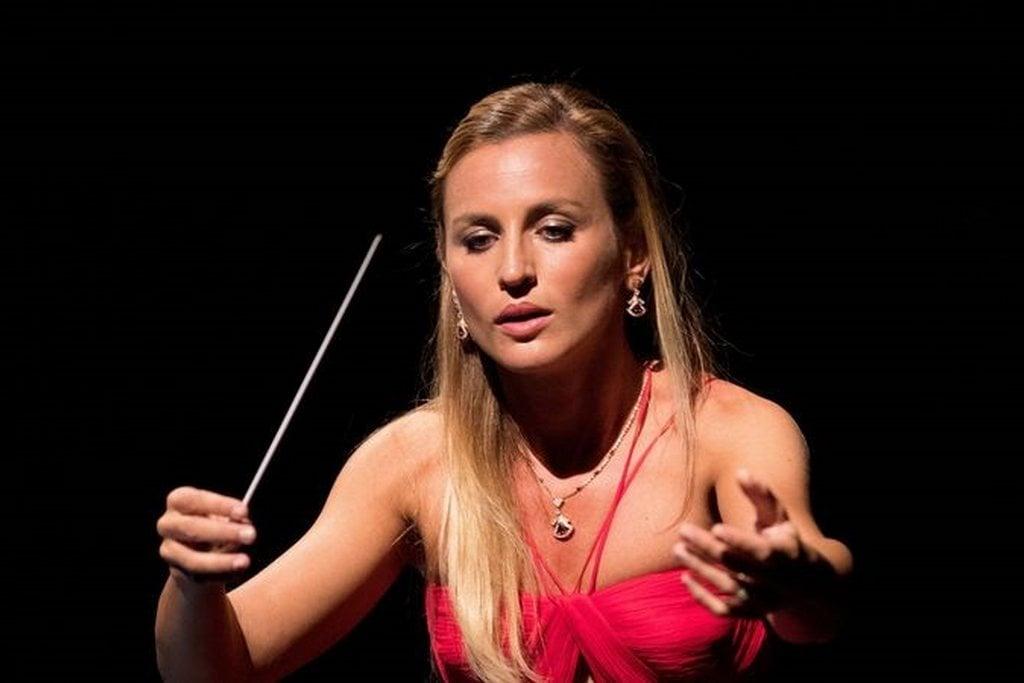
Teatro La Fenice Sacks Incoming Music Director Beatrice Venezi Over Nepotism Remarks
14 sources compared

Antoine Fuqua’s Michael Jackson Biopic Opens With Record $97M U.S. Weekend and $217.4M Worldwide
11 sources compared