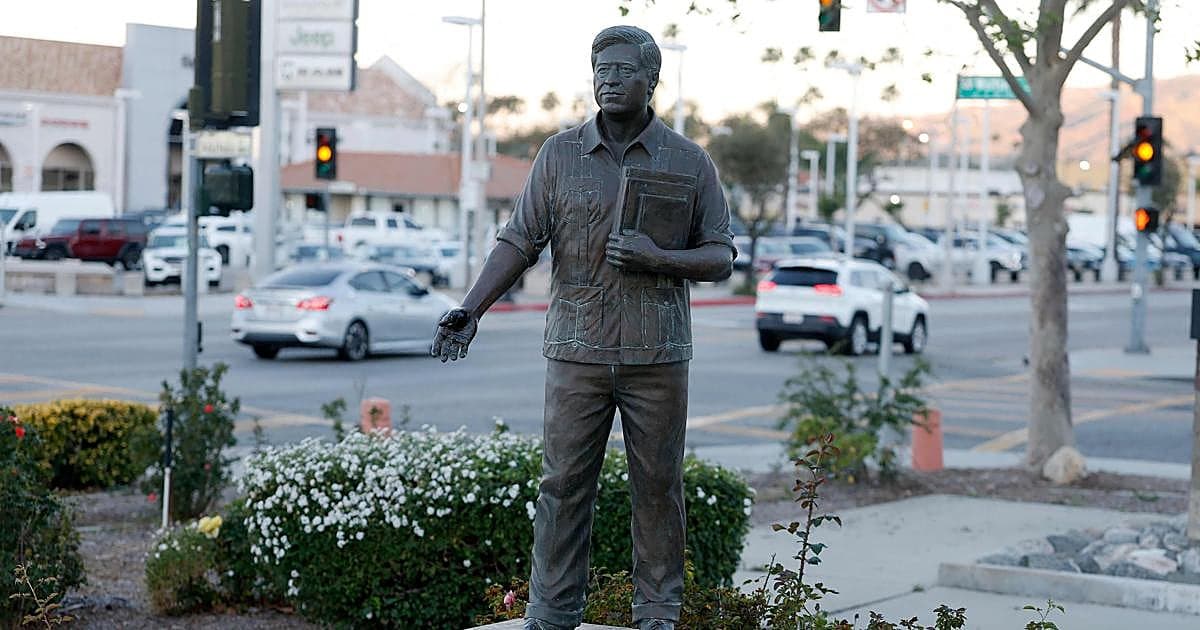
Cesar Chavez Sexually Abused Girls, According to New York Times Reports
Key Takeaways
- New York Times investigation alleges Chavez sexually abused girls and women, including minors.
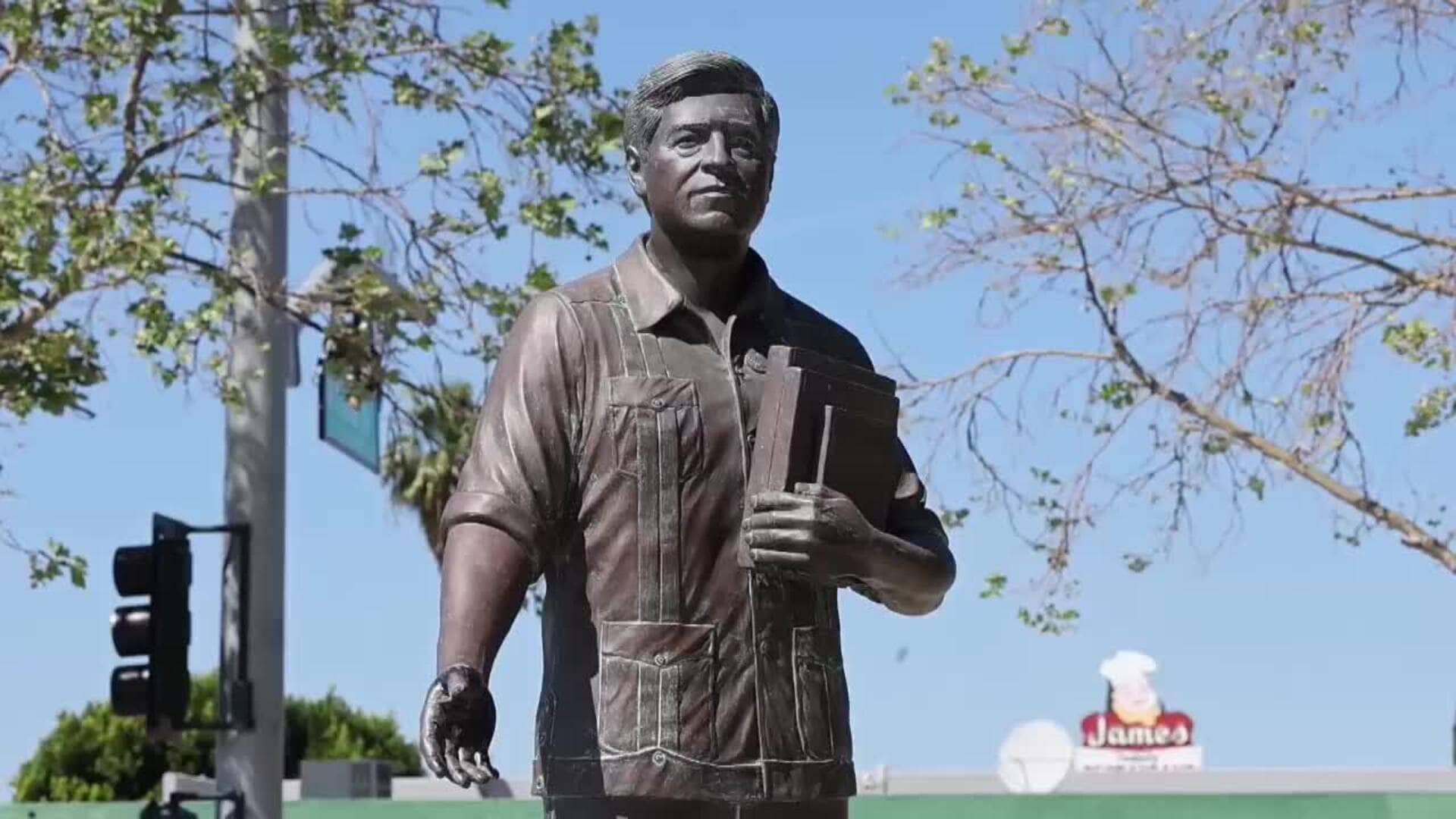
- California renames César Chávez Day to Farmworkers Day; Chavez name removed from statues and campuses.
- Dolores Huerta says Chavez pressured her for sex at 20 and raped her.
Investigation Findings
A groundbreaking New York Times investigation has revealed that revered labor leader César Chávez sexually abused multiple women and girls over several decades, sending shockwaves through communities that have long celebrated his legacy.
“Allegations of inappropriate sexual conduct and of abusing young women or girls have come to light against the late labor organizer César Chávez, and the union he co-founded will not participate in the annual celebrations in his honor, according to statements released on Tuesday”
The investigation, published on March 18, 2026, found credible evidence that Chávez groomed and sexually assaulted underage girls who worked within the farmworker movement.
The report detailed how Chávez used his position of power and influence to manipulate vulnerable young women and girls, creating a pattern of predatory behavior that occurred throughout his leadership of the United Farm Workers union.
Huerta's Testimony
Civil rights icon Dolores Huerta, Chávez's longtime collaborator and co-founder of the United Farm Workers, came forward with detailed allegations after 60 years of silence.
Huerta, now 95, described the first encounter as involving manipulation and pressure when she was in her early 30s, occurring on a vineyard in Delano, California in 1966.
She characterized the second encounter as being forced against her will in an environment where she felt trapped.
Both sexual assaults resulted in pregnancies that Huerta kept secret, arranging for the children to be raised by other families.
Her decision to break her silence came after learning that Chávez had allegedly abused other women and girls within the movement.
Underage Victims
The investigation detailed harrowing accounts from multiple underage victims who described being groomed and abused by Chávez during their teenage years.
One victim, Ana Murguía, testified that Chávez began abusing her when she was just 13 years old, with encounters continuing until she was 17.
During this period, Chávez, then 45 and at the height of his influence in the farmworker movement, would summon her to his office where he would kiss her, pull down her pants, and instruct her to keep the abuse secret.
Another victim described a similar pattern of manipulation and abuse that spanned multiple years.
These accounts reveal how Chávez exploited his position of authority and the reverence he commanded within the movement to perpetrate abuse against vulnerable young women who looked up to him as a leader and mentor.
Institutional Response
The explosive allegations have triggered an immediate and widespread institutional response across the United States, with cities, schools, and organizations hastily reconsidering their relationship to Chávez's legacy.
In California, officials at Fresno State University quickly covered a campus statue of Chávez with a plywood box before announcing its complete removal.

The San Bernardino City Unified School District began removing or covering external signage at Cesar E. Chavez Middle School, temporarily referring to it as Middle School #318.
Southwestern College in Chula Vista ordered staff to remove Chávez's name from buildings and signage.
The United Farm Workers union suspended participation in all commemorative events honoring its founder, while the César Chávez Foundation expressed being 'deeply shocked and saddened' and pledged to work with movement leaders to support potential victims.
These rapid actions reflect the gravity of the allegations and the determination to distance institutions from Chávez's abusive behavior while continuing to support the farmworker movement.
Political Response
Political leaders at local, state, and national levels have responded to the allegations with unprecedented calls for accountability and institutional renaming.
In California, Assembly Speaker Robert Rivas and State Senate leader Monique Limón announced plans to introduce legislation to change César Chavez Day to 'Farmworkers Day,' acknowledging the need to 'honor the dignity of the survivors' and 'renewed commitment to the values that the farmworker movement was built on.'

Arizona Governor Katie Hobbs announced she would not honor César Chávez Day, becoming the first Arizona governor to do so.
Phoenix Mayor Kate Gallego proposed renaming both the city's César Chávez Day celebration and municipal buildings bearing his name.
The Congressional Hispanic Caucus issued a statement unequivocally believing the survivors and condemning these 'abhorrent actions in the strongest possible terms.'
These responses represent a significant shift in how political institutions are approaching historical legacies tainted by abuse, emphasizing survivor support over uncritical hero worship.
Legacy Reckoning
The unfolding revelations have sparked profound conversations about how society should reconcile the legitimate achievements of historical figures with their abusive behaviors, challenging the traditional approach to memorialization that often overlooks or minimizes misconduct.
While acknowledging that Chávez played a pivotal role in improving wages and working conditions for farmworkers and reshaping Latino political agency, many argue that his abusive actions cannot be separated from his legacy.
San Francisco State University student Luca Broggi Hendryx captured this tension, noting that while he once felt pride in having a building named after Chávez as 'an icon for the Latino civil rights movement,' the revelations now make it feel 'the opposite.'
Movement leaders and organizations increasingly emphasize that the farmworker movement's legacy belongs to all who participated, not to any single individual, and that honoring the movement means upholding its values of dignity and justice for all, including survivors of abuse.
This reckoning represents a broader cultural shift toward more nuanced and accountable approaches to historical commemoration.
More on Crime

Catalonia's regional police say Gracey's body found in Barcelona, death likely an accident.
20 sources compared

James Gracey Dies in Barcelona; Police Say Accident, Footage Shows He Fell Into Sea
98 sources compared

Epstein manipulated Norway's Crown Princess Mette-Marit
11 sources compared

Dolores Huerta accuses César Chávez of sexual abuse
22 sources compared