Full story
Global Nuclear Pledge
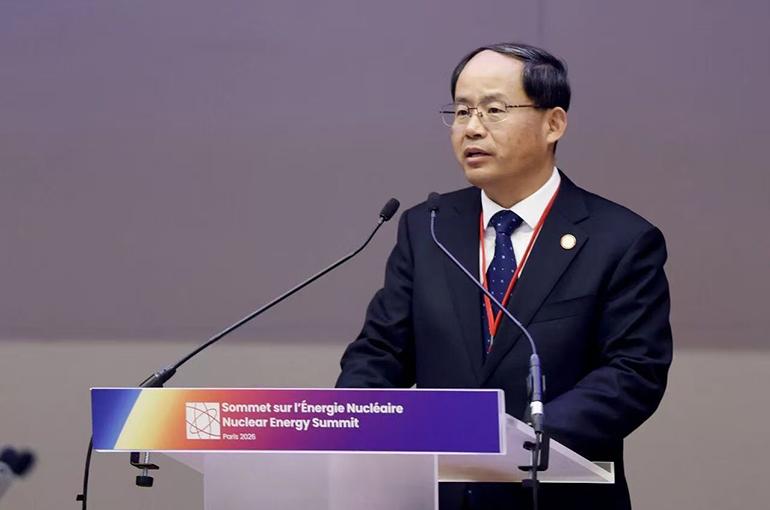
China, Brazil, Belgium, Italy and numerous other nations have joined a global pledge to triple nuclear energy capacity by 2050.
“Leaders at the Paris summit emphasised that meeting the goal of tripling nuclear energy by 2050 will require strong international cooperation, supportive policy frameworks and access to finance to enable the construction of new nuclear plants and the development of advanced reactor technologies.”
This pledge marks a significant international commitment to expand nuclear power as part of climate and energy strategies.
Countries that had previously abandoned nuclear energy are beginning to reconsider their positions.
The international cooperation comes amid growing recognition of nuclear power's role as a clean, stable energy source.
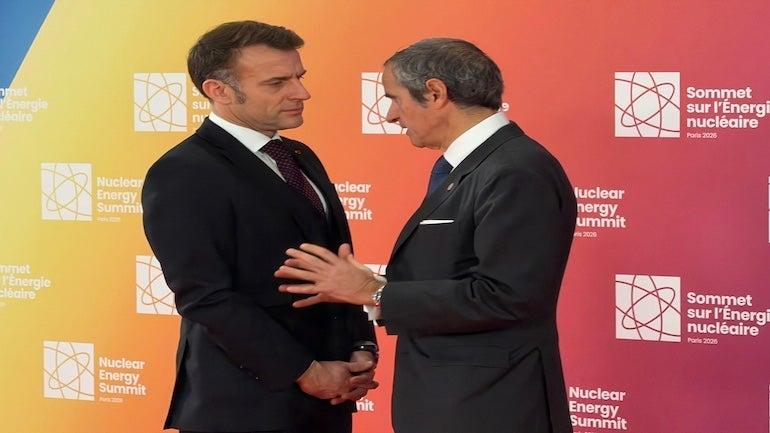
The initiative was launched at a Paris summit with emphasis on cooperation, policy frameworks, and finance.
European Nuclear Divide
European nations remain deeply divided over nuclear energy policy despite the unified international pledge.
France has emerged as a strong advocate for nuclear power, deriving two-thirds of its electricity from nuclear technology.
Germany has historically led Europe's move away from nuclear, though recent political shifts indicate potential policy changes.
European Commission President Ursula von der Leyen characterized Europe's retreat from nuclear as a "strategic mistake" that should be reversed.
German Environment Minister Carsten Schneider continues to oppose subsidizing new reactors, emphasizing wind and solar benefits.
China's Nuclear Expansion
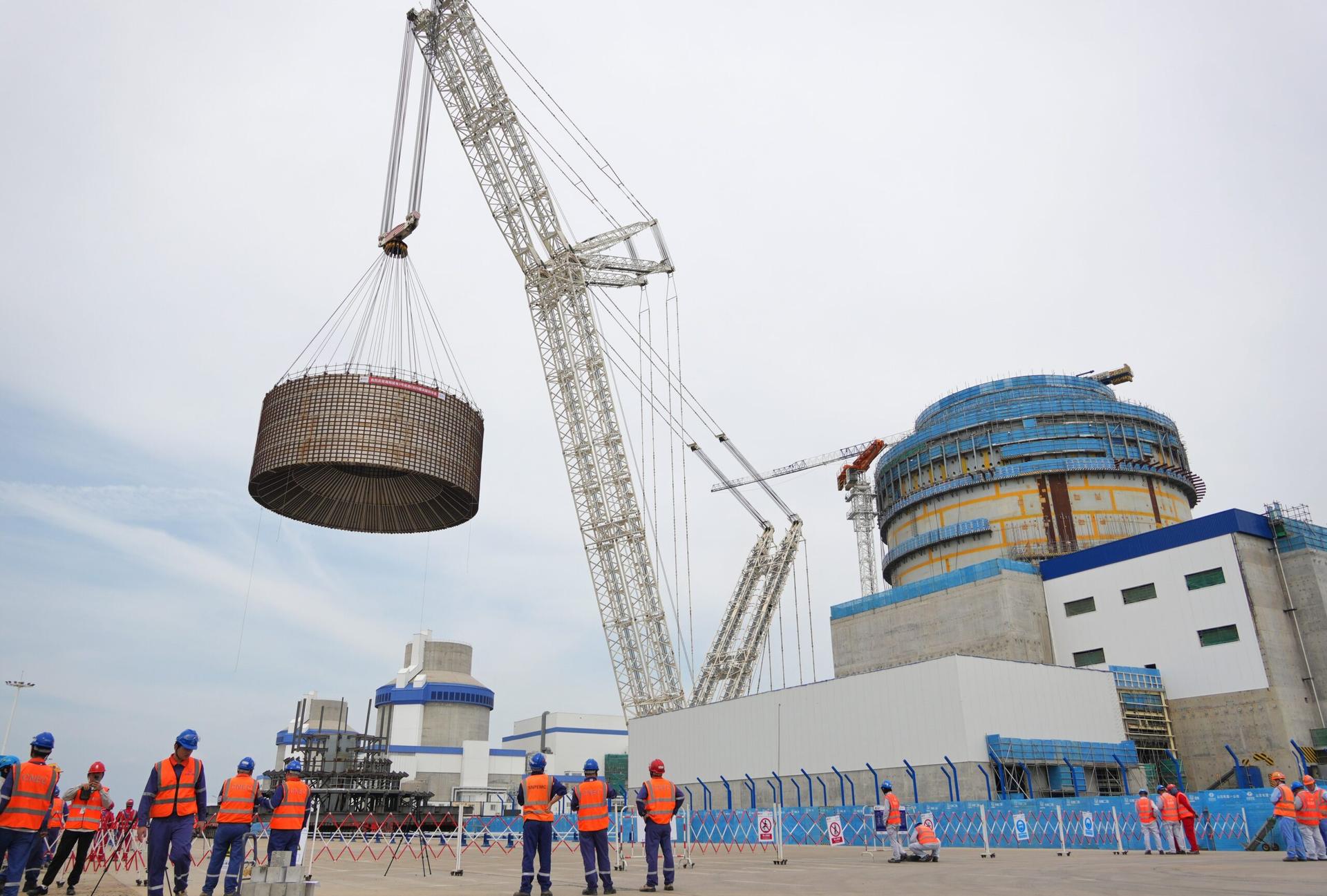
China has positioned itself as a global leader in nuclear energy development with significant expansion plans.
“China did not approve any new nuclear power projects for eight years after 2011 and only restarted the construction of nuclear power projects in 2019.”
China resumed nuclear construction in 2019 after an eight-year pause following the Fukushima disaster.
The country has approved ten new nuclear units annually from 2022 to 2025, with total investment exceeding CNY800 billion.
China now operates 112 nuclear reactors with 125 gigawatts of installed capacity, the largest in the world.
Nuclear power accounts for 4.8% of China's electricity generation and 2% of its overall energy consumption.
China's development creates opportunities for international cooperation as countries reconsider nuclear policies.
Financing Challenges
The international nuclear energy expansion faces significant financing challenges to achieve the tripling goal by 2050.
Participants identified predictable policies, robust supply chains, and accessible financing as essential.
The IAEA has expanded cooperation with major financial institutions to help countries finance nuclear projects.
The joint statement calls for frameworks to mobilize private capital with sovereign backing to mitigate risks.
Financing challenges are particularly acute for countries new to nuclear energy due to high upfront costs.