Iran16 April, 20262 min read
China Extends Exhibition of 211 Iranian Artifacts Amid Return Controversy
This article is an automated aggregation of coverage from news outlets. Our editorials offer in-depth analysis curated by the NewsCord team.
Iranian artifacts remain on display in China amid an extended exhibition. Iran granted temporary export licenses for over 210 artifacts.
Exhibition Extension
Iran's historical artifacts have been on display in China since December 2023 under the exhibition titled 'Splendor of Ancient Iran.' Originally scheduled for six months, the exhibition was extended multiple times, with the latest Cabinet resolution authorizing an additional six months starting from 23 Khordad 1403. The artifacts were displayed at the Palace Museum in Beijing, then moved to the Shanghai Museum, and finally to the Xinjiang Museum in Urumqi.
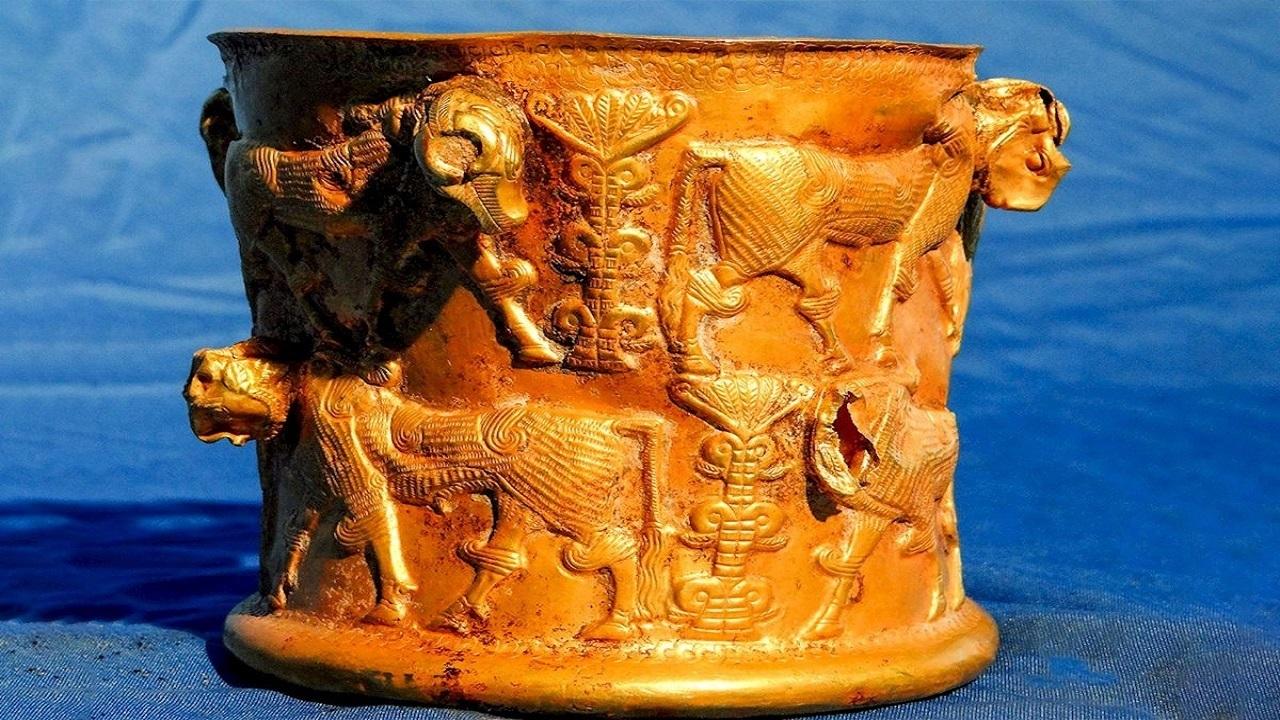
The exhibition showcased over 3,000 years of Iranian culture, including iconic pieces like the golden Achaemenid rhyton and the Marlík golden cup. The Chinese government insured the artifacts for 114,205,000 euros and undertook their protection. All costs were borne by China, but the extended stay and lack of clear return plans have sparked controversy within Iran.
Return Uncertainty
Despite official announcements, the artifacts remained in China well beyond planned dates. Siamak Sahafi questioned the silence and lack of news about the artifacts' fate. Some informal media claimed the artifacts had been sold to a museum in Beijing, though no official confirmation exists.
The Ministry of Cultural Heritage has not provided detailed information about transfer conditions or repatriation mechanisms. The exhibition's financial benefits for China, combined with Iran bearing no reported share of revenue, added to the controversy. The extended exhibition coincided with escalating tensions between Iran and Western powers.

Public and Political Reaction
Within Iran, the exhibition has become a flashpoint of debate over cultural sovereignty and government transparency. The Ministry of Cultural Heritage framed the exhibition as a mutual cultural exchange and a tool to boost tourism. Critics argue that the artifacts' prolonged absence and opacity surrounding financial arrangements amount to a one-sided cultural concession.
The exhibition attracted tens of thousands of visitors in China and received broad media coverage there. The controversy unfolded amid Iran's intensifying conflict with the United States and Israel.
Cultural Diplomacy Amid Conflict
The artifact exhibition coincided with a surge of Chinese public interest in Iran. CNN reported the exhibition in Hohhot had grown increasingly popular since war broke out. Chinese visitors expressed a protective instinct to safeguard Iranian cultural heritage.
Book sales on Iran surged, and university students checked out titles like 'Persepolis.' The exhibition served as a cultural bridge between two ancient civilizations.