China31 March, 20261 min read
China's Non-Military Middle East Approach Faces Test as US-Israeli War Hits Energy Lifelines
This article is an automated aggregation of coverage from news outlets. Our editorials offer in-depth analysis curated by the NewsCord team.
China pursues Middle East influence through economic interdependence, trade, ports, and civil-military integration. The Iran-Israel conflict tests energy lifelines, pressuring Beijing’s regional energy ties and security concerns.
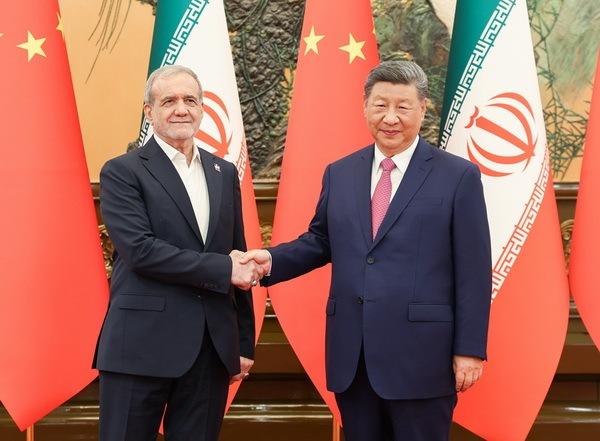
China's Ambitious Middle East Role
China's expanding role is often framed as geopolitical rivalry, but this obscures Beijing's strategic subtlety. China cultivates influence through economic interdependence, institutional embedding, technological integration, diplomatic positioning, and selective security engagement. Its goal is not to replace the US but to construct a system of networked influence and economic leverage.
China's Economic Anchors
Chinese firms and policy banks have become indispensable partners in regional development. China’s energy cooperation forms a second pillar. China cultivates relations with all regional actors, including rivals.
Limited Security Engagement
Hard security engagement remains limited and focused on protecting China’s own overseas interests. China has expanded arms sales. Exercises tend to be bilateral and focused on narrower tasks.
Energy and Trade Risks
The war presents China with a harsh dilemma. Its vast economic footprint ties it to the commercial networks and infrastructure that US-Israeli strikes are targeting. Disruptions threaten vital energy supplies for China and the world.
US-China Power Dynamics
The United States remains entrenched politically, militarily, and economically. China must operate within these entrenched structures. China’s Middle East narrative remains significantly shaped by the broader China-US relationship.