Climate Change Drives Record March Heat in Southwest U.S.
Key Takeaways
- Southwest March heat records shattered across multiple cities.
- Scientists say climate change made March heat virtually impossible without human-caused warming.
- Experts warn of dangerous heat illnesses and economic disruption across the region.
Record Breaking Temperatures
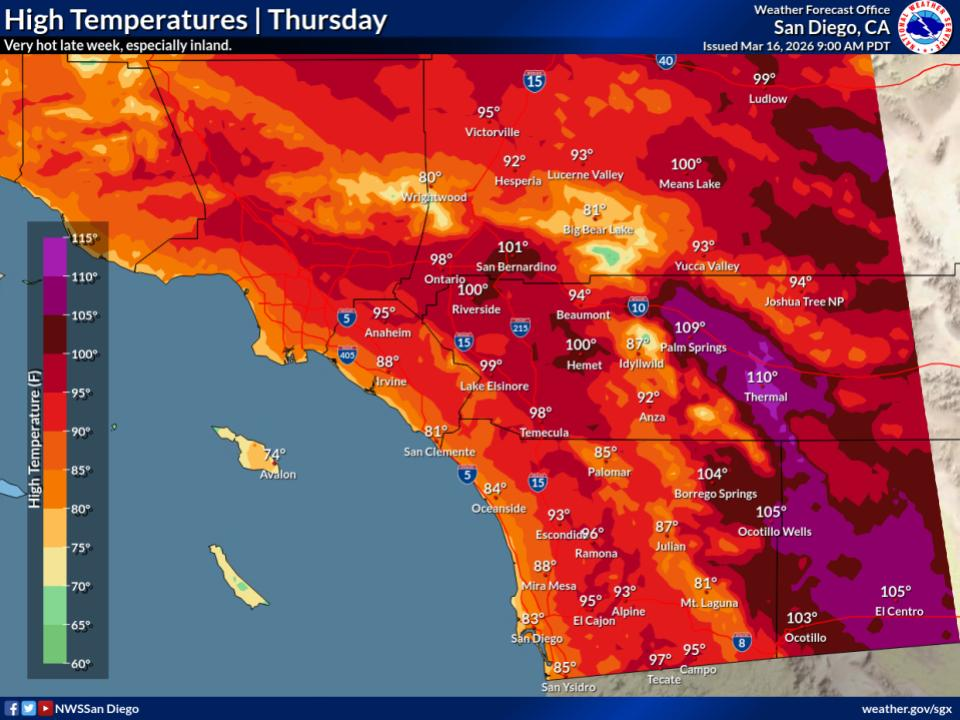
The unprecedented March heat wave sweeping across the U.S. Southwest has shattered temperature records, with Arizona's desert reaching 110 degrees Fahrenheit - a national record for March.
“Scientists say a record March heat wave in the U”
According to weather reports, 65 cities across multiple states have experienced new March highs, ranging from Arizona and California to Idaho.

Death Valley recorded 105 degrees while even typically cool San Francisco tied its historic March record at 86 degrees.
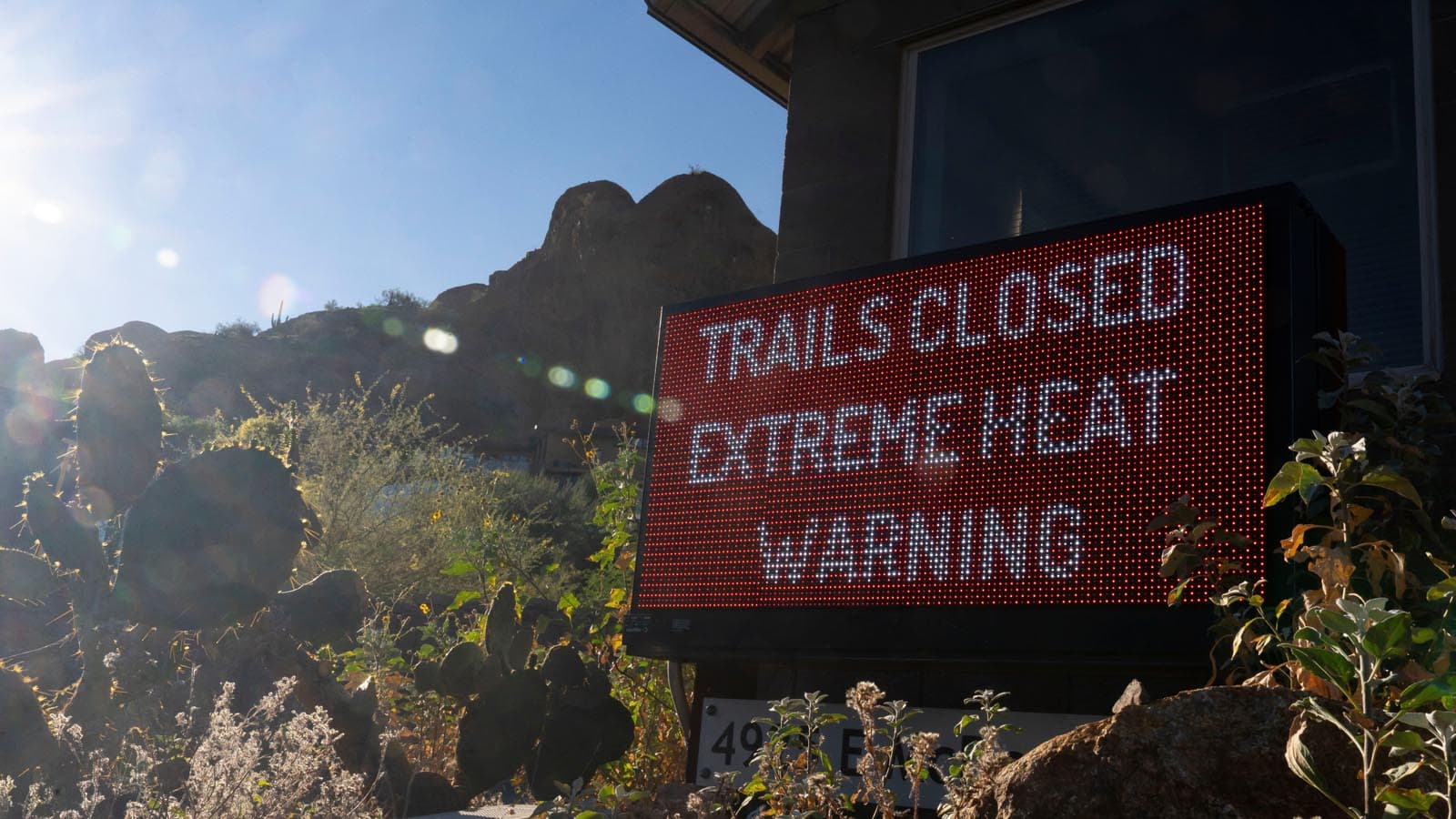
The extreme heat has forced ski resorts in California and Tahoe areas to close operations due to rapid snowmelt, while the National Weather Service issued extreme heat warnings covering vast areas from Los Angeles and coastal southern California to Las Vegas.
Meteorologists have been alarmed by the 'phenomenal heat when winter is only just ending,' warning against leaving children or pets in cars during the dangerous conditions.
Climate Change Attribution
Climate scientists have definitively linked the extreme Southwest heat wave to human-induced climate change, with World Weather Attribution researchers determining that 'events as warm as in March 2026 would have been virtually impossible without human-induced climate change.'
The rapid analysis found that fossil fuel burning added between 4.7 and 7.2 degrees Fahrenheit to current temperatures, making this type of heatwave four times more likely to occur over the last decade.
Climate scientist Clair Barnes from Imperial College London explained that 'human-caused warming has increased the temperatures that we're seeing as result of this heat dome, and it's going to be pushing those temperatures from what would have been very uncomfortable into potentially dangerous.'
The analysis examined a five-day period from March 18-22, comparing current conditions with climate model simulations to quantify the impact of global warming.
Broader Climate Context
The unprecedented heat wave represents the latest manifestation of increasingly severe weather patterns occurring as global temperatures continue rising, with scientists warning of unprecedented lethal climate extremes appearing at unusual times and unexpected locations.
“Heat Wave Havoc: Climate Change Redefines Weather Extremes in the U”
Stanford University climate scientist Chris Field categorized the Southwest heat wave as a 'giant event,' with temperatures climbing up to 30 degrees above normal levels, and identified five similar extreme events from just the past six years.
Friederike Otto, an Imperial College of London climate scientist who coordinates World Weather Attribution, emphasized that 'this is due to climate change, that we see more extreme events, and more intense ones and have so many records being broken.'
The heat wave has taken a significant toll on local economies, with multiple ski resorts being forced to close or shrink operations amid rapid snowmelt, while weather officials raised concerns about increasing heat-related illnesses among vulnerable populations.
Meteorological Analysis
Meteorologically, the extreme heat was driven by a powerful ridge of high pressure that peaked at about 3.5 to four standard deviations above normal, with the 500-millibar height maxing out at about 597 decameters.
According to meteorologist Bob Henson from Yale Climate Connections, the pattern was shaped by a distant storm that pumped warm, moisture-rich air northward across the Pacific, creating a 'warm conveyor belt' that helped inflate the downstream ridge.

Climate scientist Daniel Swain described it as 'a full-on summer heat wave in March.'
Despite the intensity of the current heat dome, World Weather Attribution scientists noted that events of this magnitude remain rare in today's climate, expected to occur about once every 500 years at any one location, though climate change is rapidly increasing their frequency.
The Climate Shift Index for predicted U.S. temperatures showed broad areas with Level 5 results, indicating where the odds of the depicted extreme had been increased fivefold by climate change.
Policy Implications
Scientists are issuing stark warnings about the implications of such extreme weather events, with University of Victoria climate scientist Andrew Weaver stating that 'what used to be unprecedented events are now recurring features of a warming world.'
“Temperatures from a weeklong heat wave gripping Southern California are nearing their peak Tuesday, with record-breaking highs expected to continue through Friday”
Friederike Otto emphasized that 'in the US west, the seasons that people and nature were used to for centuries are disappearing, putting many, including outdoor workers and those without air conditioning, in danger,' adding that 'the threat isn't distant – it is here, it is worsening and our policy must catch up with reality.'

The heat wave has left experts concerned about the trajectory of climate impacts, as even conservative climate models struggle to keep pace with the rapidly changing conditions.
Insurance companies are increasingly walking away from high-risk areas, with Otto noting that 'the clearest signal isn't the science debate. It's insurers walking away.'
This pattern of insurers withdrawing coverage represents a practical acknowledgment of the escalating climate risks that communities across the Southwest and beyond are now facing.
More on Technology and Science

Honolulu Department of Emergency Management Orders Waialua, Haleiwa Evacuations Over Catastrophic Flooding
32 sources compared

Trump Unveils National AI Policy Framework to Preempt State Laws
20 sources compared

Social media damages youth well-being, World Happiness Report 2026 finds
34 sources compared

Meta Pays Creators Up to $3,000 to Post on Facebook, Launching Creator Fast Track.
25 sources compared