South America01 June, 20263 min read
Colombia and Brazil Strengthen Textile Ties at Colombiatex de las Américas 38th Edition
This article is an automated aggregation of coverage from news outlets. Our editorials offer in-depth analysis curated by the NewsCord team.
Colombia and Brazil are strategic allies in textile production. Colombia seeks Brazil as a major opportunity partner in textiles.

Textile ties and trade
Colombia and Brazil are described as “two strategic allies in textile production” in the context of Colombiatex de las Américas, in its 38th edition, where Rafael Cervone, president of the Brazilian Association of the Textile and Garment Industry (ABIT), discussed figures behind the industry. Cervone said that in the last 25 years, business between the two countries has grown strongly, uniting two large markets and opening doors to new business opportunities. He stated that Brazil is “among the five largest textile producers in the world” and that the textile chain produced in 2024 about 221 million Brazilian reais, approximately 42 million dollars, representing 4.65% of the total value of production of the Brazilian manufacturing industry.
The Association said Brazilian exports to Colombia in the textiles and apparel segment (excluding cotton fibers) totaled US$ 44.6 million from January to December 2025, with cotton flat fabrics accounting for more than 50% of the export value at US$ 21.8 million. Cervone also said Brazil is self-sufficient in cotton, producing more than 8 billion garments per year, and that it is composed of around 25.7 thousand production units with more than 1.34 million employees.
Progressives rally in Chile
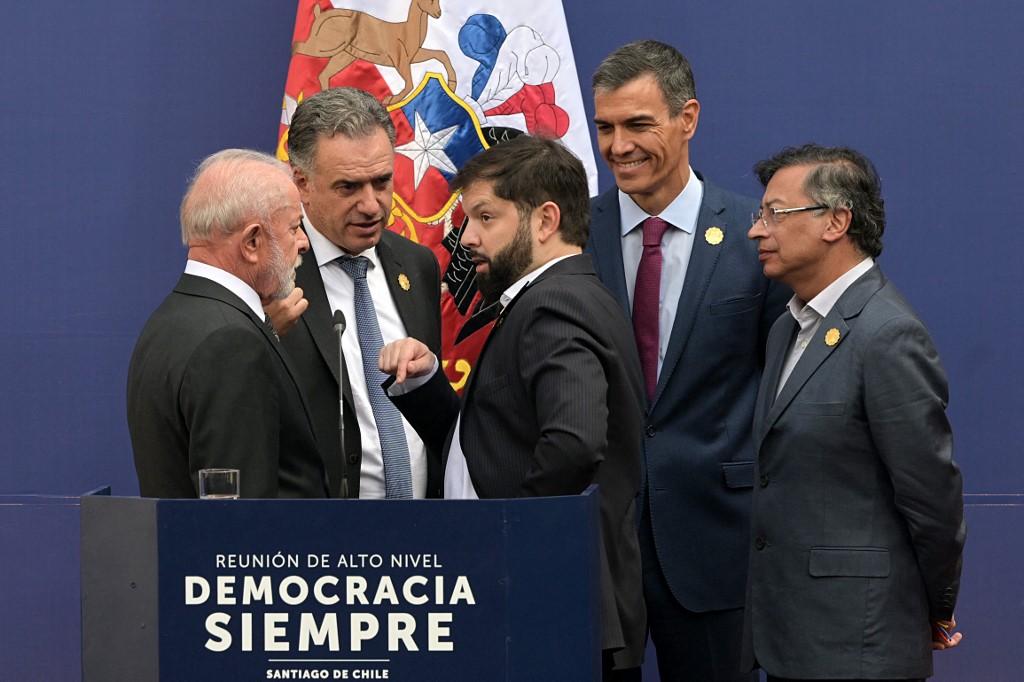
In Chile, leaders of Brazil, Chile, Colombia, Spain and Uruguay met to denounce “the dangers provoked by the far right” and to organize a united front to defend democracy and its values. Chilean President Gabriel Boric welcomed on Monday, July 21, in Santiago, a summit bringing together progressive leaders including Luiz Inacio Lula da Silva (Brazil) and Gustavo Petro (Colombia), along with Yamandu Orsi (Uruguay) and Spanish Prime Minister Pedro Sanchez. The leaders’ rallying cry in the joint statement was “Democracy Always,” as they laid groundwork for a united front against reactionary forces that threaten freedoms and undermine democratic institutions.
The article frames the meeting as a response to the rise of the extremes “on both sides of the Atlantic,” linking the regional gathering to broader political and security concerns. The same summit setting is described as a place where the leaders “laid the groundwork for a united front” while calling for defense of democratic institutions.
Colombia election and regional stakes
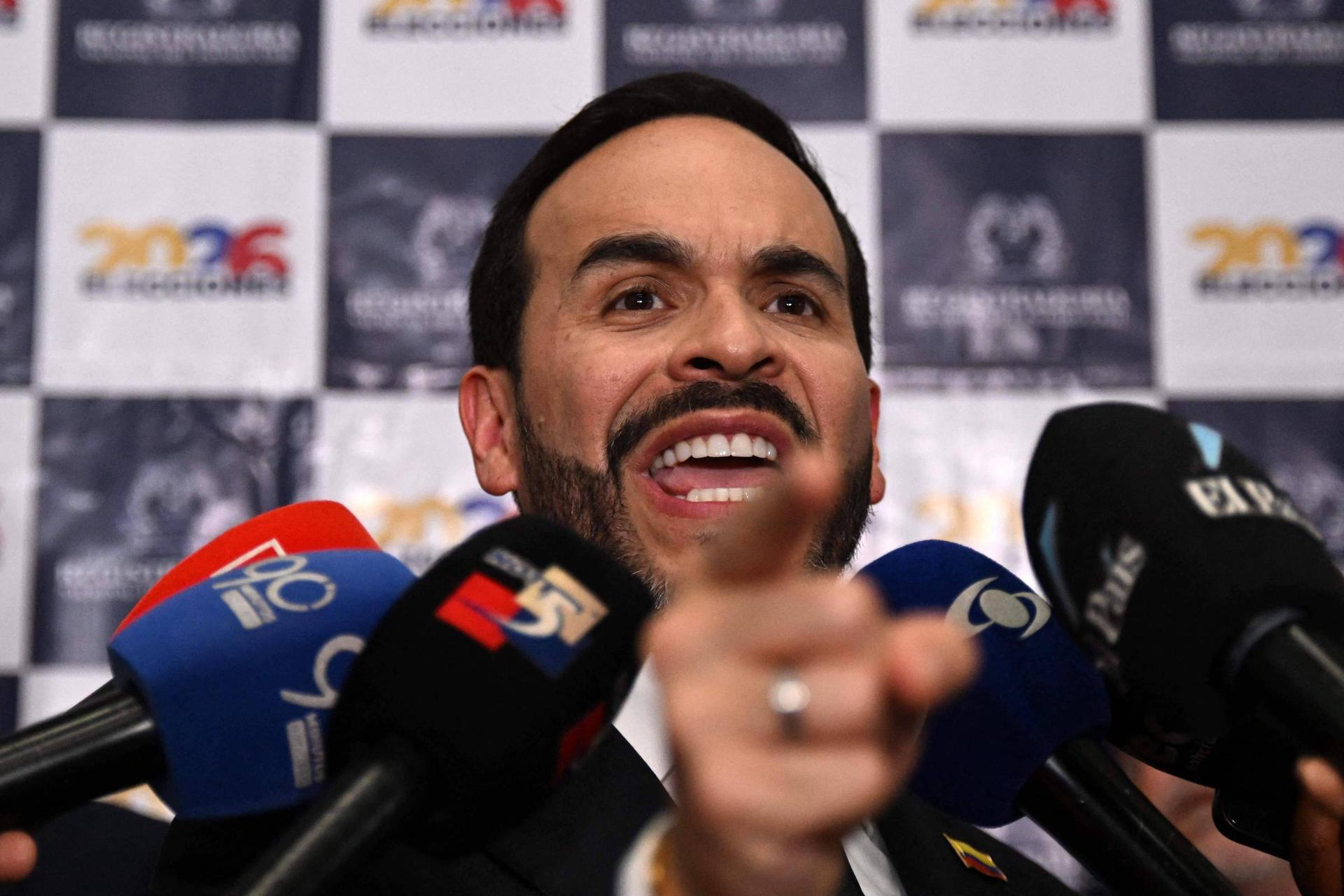
Colombia is set to return to the polls on June 21 to decide between two opposing projects, with Iván Cepeda, a presidential candidate allied with Gustavo Petro, facing Abelardo de la Espriella, described as a rookie lawyer in politics and a face of the far-right. The Folha de S.Paulo account says that for Brazil, the victory of Cepeda would mean maintenance of an important ally amid a conservative wave in South America, while the victory of Espriella could be an obstacle to Lula’s government plans related to the Amazon, border crime crackdown, and regional integration. It also says the fight against organized crime at the border could be affected by the issue becoming the spearhead of the United States under Donald Trump, and notes that Washington announced it would include the PCC (Primeiro Comando da Capital) and the CV (Comando Vermelho) on its list of terrorist organizations.
The article quotes Pedro Abramovay, vice-president of Programs at the Open Society Foundations, saying that “Espriella has an attorney who has a sexual relationship with the U.S. government.” It adds that Abramovay says Espriella’s victory is uncertain and that he “deviates a lot from what is the Colombian conservative institutional framework,” contrasting him with Paloma Valencia, described as the traditional right candidate who appeared in third place in the polls.