Colombia Presidential Election Turns Referendum As Miguel Uribe Turbay Is Fatally Shot
Key Takeaways
- Election framed as referendum on Petro's total peace policy.
- Violence and armed-group clashes persist, challenging the peace process in Cauca and Catatumbo.
- Candidates include Petro allies and pro-Trump rivals, shaping a polarized electoral showdown.
Election Amid Violence
Colombia voted in a presidential election that pitted Petro allies against pro-Trump candidates, with ballots for the first round opening Sunday and the vote framed as a referendum on outgoing President Gustavo Petro’s policies.
“A peace plan was designed, and, to be honest, it did not work well”
The election comes 10 years after Colombia signed a peace pact with guerrillas of the Revolutionary Armed Forces of Colombia (FARC), but the campaign has been marked by criminal groups launching drone strikes and armed attacks that have plagued the race.
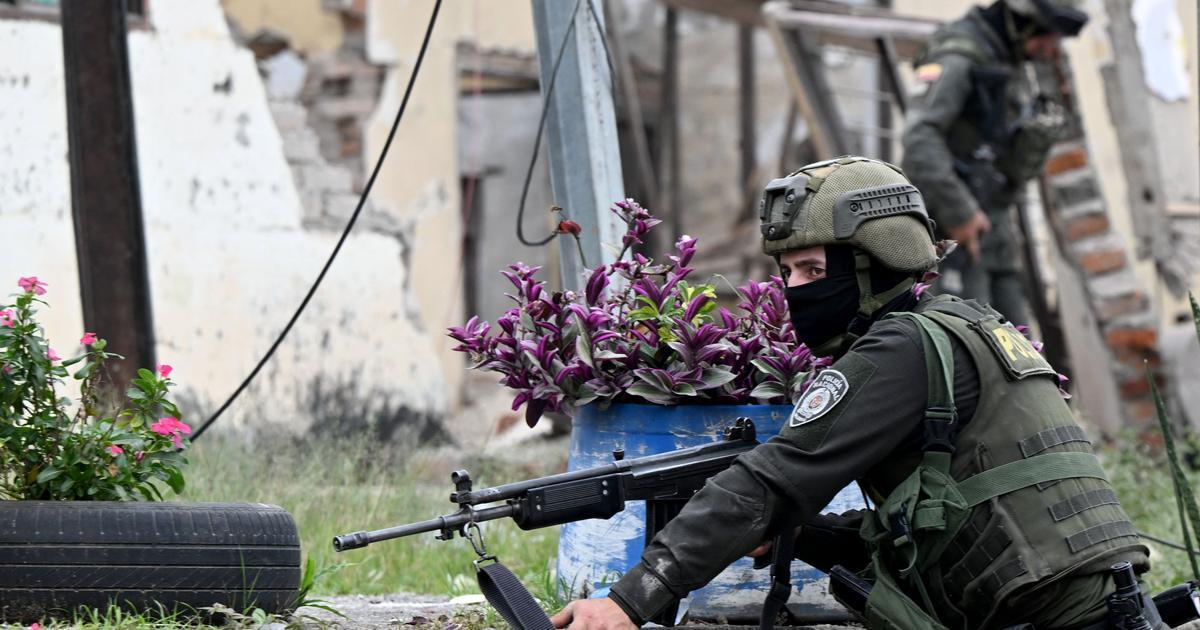
France 24 reported that 39-year-old politician and presidential hopeful Miguel Uribe Turbay was fatally shot at a political rally last June, underscoring the violence surrounding the vote.
Senator and peace-builder Ivan Cepeda, a Petro ally, led the polls and promised to carry on with Petro’s “total peace” initiative to negotiate with the country’s remaining rebel groups and sign peace agreements.
Running against Cepeda are Abelardo de la Espriella and Paloma Valencia, who have vowed to come down on armed groups with a heavier hand, with de la Espriella pitching himself as an outsider emulating heavy-handed tactics used in El Salvador’s war on gangs.
Peace Talks in Limbo
Recent clashes in the Catatumbo region in northeastern Colombia left more than 80 dead and 11,000 displaced, with Radio France describing the fighting as clashes between dissident members of FARC and the ELN.
In response to the events, President Gustavo Petro suspended peace negotiations with the ELN, accused of being behind these crimes, as the peace process appeared “once again in limbo.”
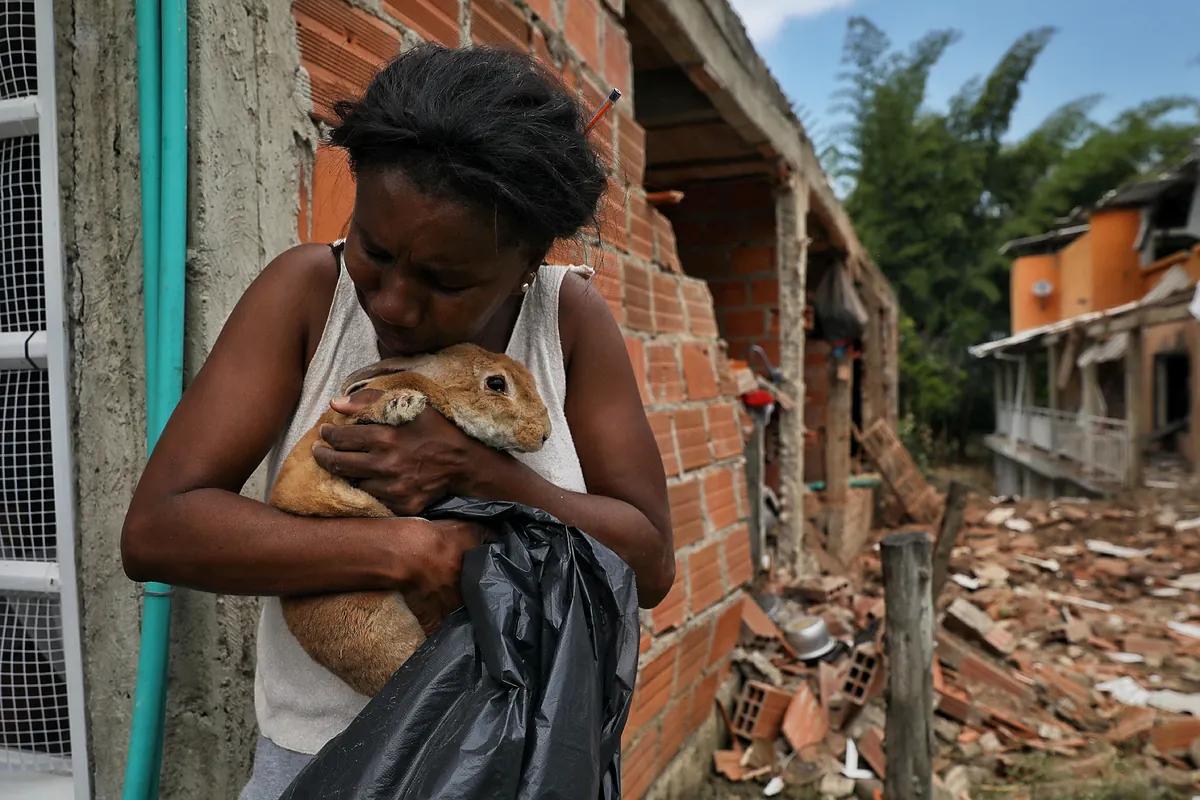
Radio France quoted independent researcher Julie Massal, affiliated with IFEA, saying the ELN “has become more entrenched in urban areas,” and adding that it distinguished itself by rhetoric emphasizing protecting natural resources.
Massal also said that “Some of the FARC’s local fronts in certain regions, notably in the southwest of the country, never accepted the peace agreement and never demobilized,” describing how dissident factions endured after the 2016 deal.
The Radio France piece asked whether the scale of the attacks could “definitively bury a peace process that seems each day more fragile,” linking the violence in Catatumbo to the broader uncertainty over negotiations.
‘Total Peace’ to ‘Total War’
Courrier international described Petro’s “total peace” as turning into “total war,” reporting that Interior Minister Armando Benedetti admitted on April 25, 2025 the failure of the “total peace” negotiations undertaken with the various armed groups that persist in the country.
“Colombia votes in presidential election pitting Petro allies against pro-Trump candidates Ballots for the first round of Colombia's presidential election open Sunday, as candidates with radically diverging visions for the future face off”
The same Courrier international account said bombings suspended due to collateral damage and the spraying of coca fields with glyphosate have resumed, and it linked the renewed violence to 253,000 hectares of coca leaves planted in 2024.
Courrier international reported that 152 members of armed groups died in military operations in 2024, compared with 41 soldiers, in a conflict it described as lasting more than half a century.
El Mundo reported that in the northern Cauca towns, where guerrillas rule and soldiers and police are bystanders, a Miranda shopkeeper said, “You have to be very careful and say nothing. You never know who you’re talking to,” capturing how fear shapes everyday life.
El Mundo also quoted FIP associate researcher Gerson Arias saying the “peace total” policy has driven guerrillas’ growth, with truces leading violent groups to “reactivated mobility corridors” and “increased control over the communities through recruitment, threats, confinement, killings and displacements.”
More on South America

Colombia Voters Face May 31, 2026 Election Amid Armed Group Territorial Control Warnings
15 sources compared

Marco Rubio Pushes Venezuelan Crude Exports to India Amid Strait of Hormuz Disruption
10 sources compared
Delcy Rodríguez Announces General Amnesty Law for Venezuela’s Political Prisoners Since 1999
10 sources compared

Cuba’s Power Grid Collapse Cuts Electricity From Guantánamo to Ciego de Ávila, Sparks Havana Protests
16 sources compared