
Conflicting Reports Say U.S. And Israel Reportedly Kill Iran's Supreme Leader Khamenei
Key Takeaways
- U.S. and Israeli forces launched joint strikes on Iran
- Strikes spiked oil prices and rattled global equity and futures markets
- Iran launched retaliatory strikes, expanding hostilities and causing regional escalation
Claim and uncertainty
Reports circulated claiming that U.S. and Israeli forces had killed Iran’s Supreme Leader Ayatollah Ali Khamenei, but the snapshot of sources provided here leaves the claim ambiguous and unverified while showing immediate market and policy responses.
“ANI |Updated:Mar 02, 2026 13:12IST New Delhi [India], March 2 (ANI): The escalation of the Israel-Iran conflict, marked by the reported killing of Iran's Supreme Leader Khamenei, is set to impact Indian equity markets through trade flow disruptions and a spike in crude oil prices”
For example, one dispatch described the situation as “the escalation of the Israel-Iran conflict, marked by the reported killing of Iran's Supreme Leader Khamenei,” framing the claim as a market‑moving report rather than an established fact.
Other coverage underlines Khamenei’s own public posture before these reports — LA Times noted that “Iran’s Supreme Leader Ayatollah Ali Khamenei warned on Feb. 1 of a ‘regional war’ if his country was attacked by the U.S.” — demonstrating the high stakes of any strike on Iran’s leadership.
Meanwhile, financial coverage recorded swift investor reactions to the broader escalation: InvestmentNews said “US stocks sold off Tuesday as investors confronted a sharp jump in oil prices, rising bond yields and mounting uncertainty,” and Globe and Mail described the immediate market shock as having “set a risk-off tone for the start of the day.”
Taken together, the pieces show the claim about Khamenei circulated widely enough to move markets, but the sources in this packet do not provide definitive verification and instead document responses to the reported event.
Market reaction
Markets moved sharply as traders priced in the geopolitical shock: crude surged, equity futures weakened and volatility spiked.
The Globe and Mail recorded a dramatic oil reaction, reporting that “Iran escalated attacks, sending WTI Crude Oil up $7.50 and to a high of $95.97,”

while InvestmentNews described Brent’s jump — “Brent crude surged about 6% to trade above $82 a barrel” — and broad equity pain, with major indexes falling and small caps hit hardest.
CNBC quoted energy analysts warning of further price jumps, noting that “Crude oil future prices will likely rise by $5 to $7 per barrel when trading opens” and stressing the potential for much larger spikes if shipping through the Gulf is impaired.
HDFC Sky also observed the equity spillover in Asia: “Asian equities slid about 1.5%, with futures on major U.S. and European indices also pulling back in the wake of the U.S.-Israeli military action against Iran.”
Together these accounts show oil and risk assets moved quickly on the reports, with traders and analysts fretting about both immediate price moves and the potential for a sustained shock.
Hormuz risk
Analysts and outlets flagged the Strait of Hormuz as a central vulnerability that could turn market jitters into a prolonged shock.
“Israel’s preemptive strike on Iran, carried out jointly with the U”
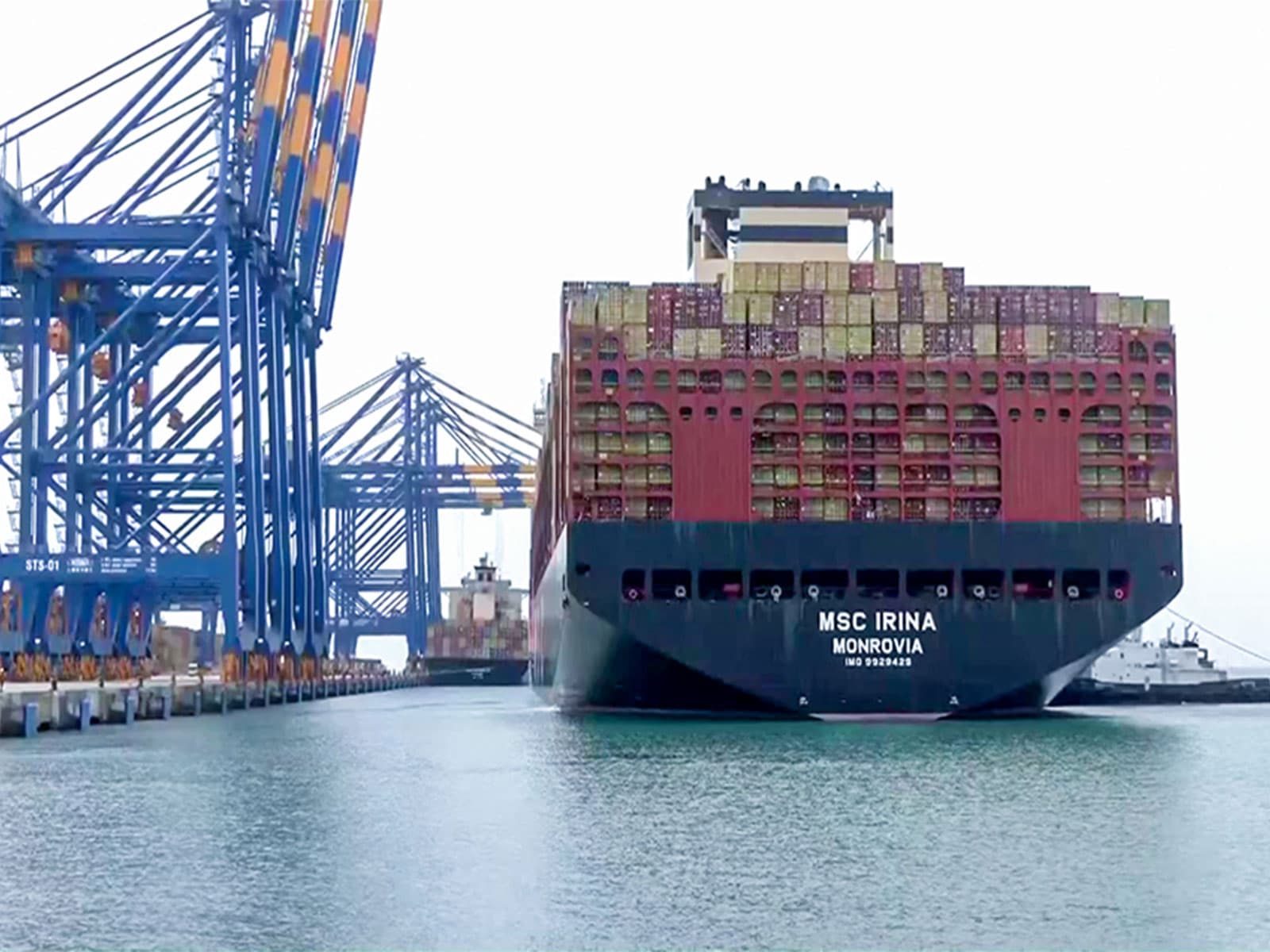
The Los Angeles Times explained that “Tehran has claimed that a full closure of the Strait of Hormuz is within its power,” and emphasized that “Hormuz is the chokepoint for bulk of the Persian Gulf’s exports of crude,” underscoring why any disruption would matter globally.
CNBC provided data to quantify that risk: “More than 14 million barrels per day flowed through the Strait in 2025, or a third of the world's total seaborne crude exports,” and warned that “A prolonged closure of the Strait of Hormuz is a guaranteed global recession.”
Indian-oriented coverage likewise stressed the exposure: ANI observed that “With 50% of India's oil imports being shipped through the Strait of Hormuz, its closure raises a serious risk for OMCs.”
These assessments together explain why markets and policymakers fixate on shipping through Hormuz when Middle East tensions spike.
Escalation and response
Reporting also highlighted on-the-ground escalations, the diplomatic fallout and the policy instruments under discussion to blunt economic pain.
Multiple outlets cited strikes and broader military activity: CNBC noted that “Iran has launched missile strikes on U.S. bases in Qatar, Kuwait, the UAE and Bahrain, according to state media reports,”

and InvestmentNews catalogued evacuations and warnings — “Fresh reports of Iranian drone strikes on the US embassy in Riyadh, warnings from Iran’s Revolutionary Guard that the Strait of Hormuz was closed and that any ships attempting passage would be set ablaze, and State Department evacuation orders for personnel in Bahrain, Iraq, and Jordan all fed into investors' collective reassessment.”
On the policy side, CNBC and other market coverage pointed to buffers and responses, noting that “The reserve currently has an inventory of about 415 million barrels,” referring to the U.S. Strategic Petroleum Reserve as one tool to address price spikes, while analysts cautioned that duration and scale would determine whether such measures suffice.
Overall, the sources portray a region on edge where unverified reports about a leader’s death amplified already serious economic and security risks.