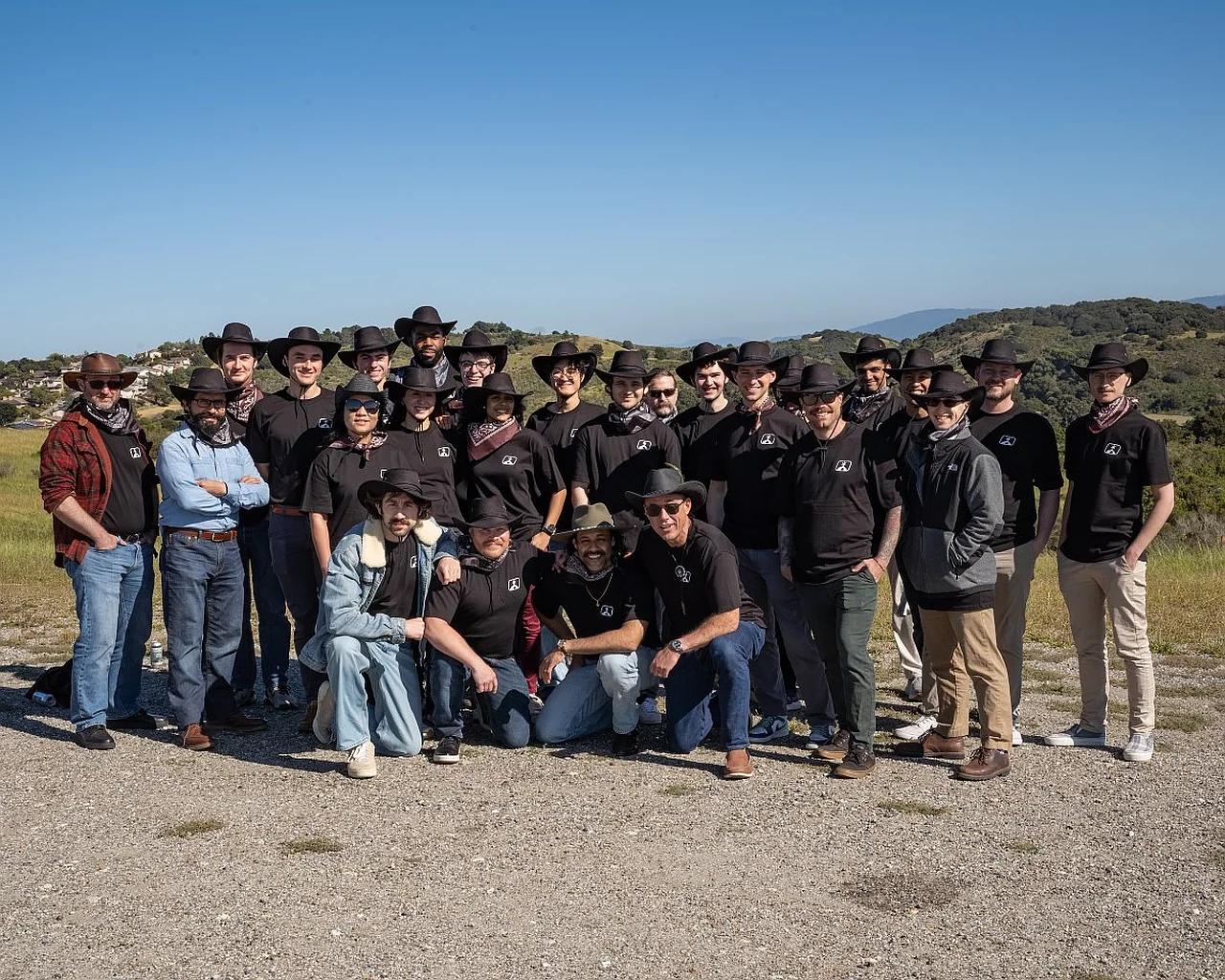
Cowboy Space Raises $275M To Build Rockets For Orbital Data Centers, Valued At $2B
Key Takeaways
- Cowboy Space raised $275M to build its own rockets for orbital data centers.
- There are not enough rockets for space data centers amid rising AI compute demand.
- Industry relies on SpaceX Starship and other incumbents as the rocket shortage persists.
Cowboy Space bets $275M
Cowboy Space Corporation, founded by Robinhood co-founder Baiju Bhatt, announced the close of a $275 million Series B funding round at a post-money valuation of $2 billion to build its own rockets for orbital data centers.
“Space-based data centers promise unlimited solar power and low-latency AI compute, but they face a fundamental bottleneck: there simply aren’t enough rockets to put them in orbit”
Bhatt told TechCrunch, “We’re standing up our own rocket program,” and the company expects its first launch before the end of 2028.
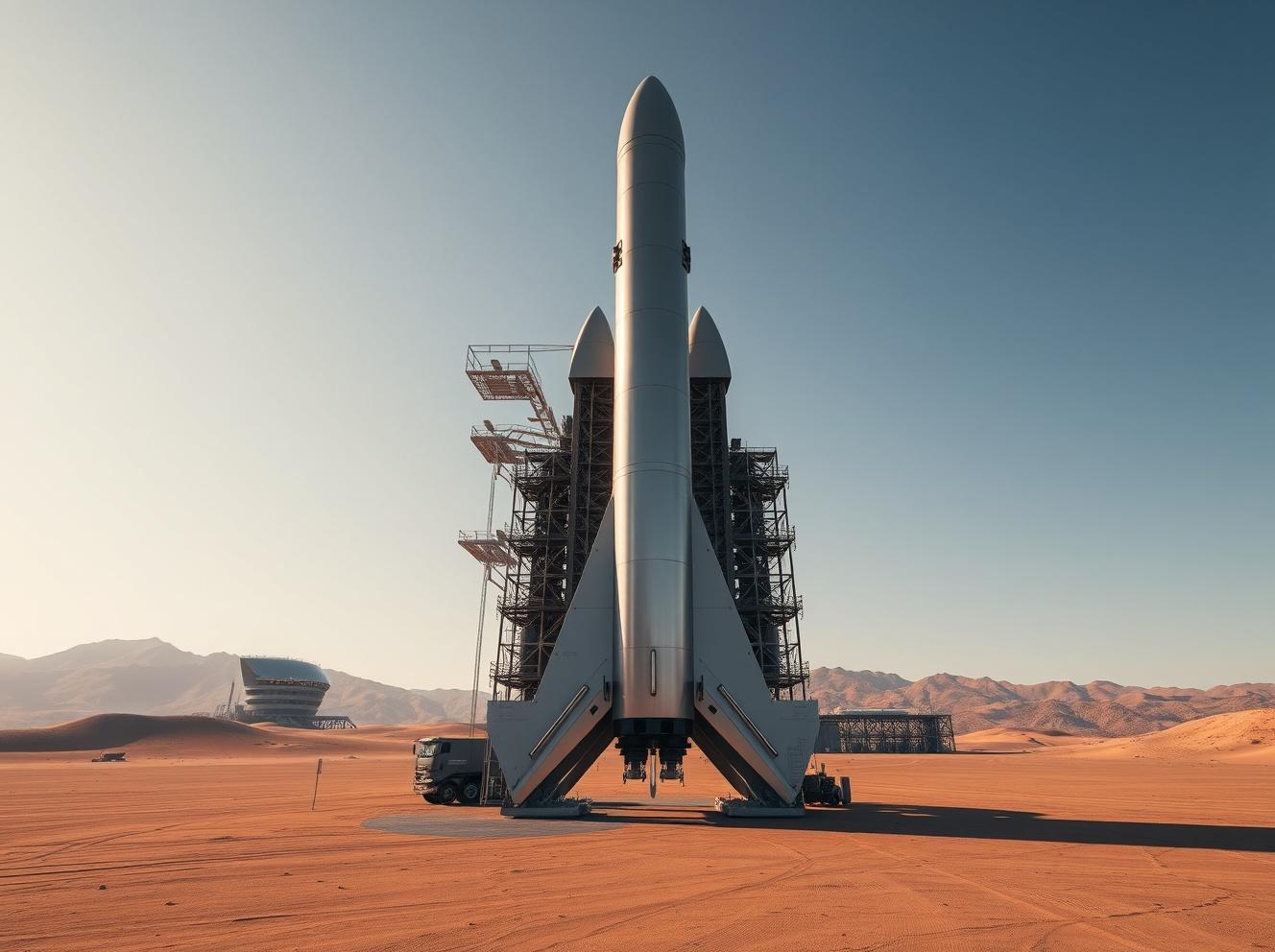
TechCrunch frames the push as a response to a shortage of rockets for space data centers, noting that SpaceX’s Starship may not be commercially available for years due to SpaceX’s internal satellite business.
The company says it is pivoting from its 2024 name, Aetherflux, after concluding that orbital infrastructure could be used to power AI data centers more efficiently.
Cowboy Space plans to integrate its data centers directly into the second stage of its rocket, a design it describes as a throwback to the first U.S. satellite, Explorer 1.
Why rockets are scarce
TechCrunch says most players are hoping that SpaceX’s Starship will solve the problem, but it adds that once the vehicle is operational, it may be years before it is commercially available.
It also points to Blue Origin’s New Glenn, which “failed to deliver a satellite during its third launch in April,” leaving data center schemes either targeting the mid-2030s or starting with edge processing for space sensors.

In the same account, Bhatt argues that even as “a lot of new rockets” come online, “as we look three, four years out, it’s still very, very scarce,” and he expects first-party rocket providers to specialize into their own payloads.
Bitcoin World similarly quotes Bhatt saying, “I think you’re going to see a lot of the first party rocket providers actually specialize into their own payloads.”
Zamin.uz echoes the scarcity theme by describing a shortage of rockets to deploy orbital data centers and saying SpaceX’s Starship commercial deployment may take a long time.
Design, competition, and risk
Cowboy Space says each satellite will have a mass of 20,000 to 25,000 kilograms and generate 1 MW of power for just under 800 onboard GPUs, making its rocket slightly more powerful than SpaceX’s Falcon 9 while still smaller than Starship.
“The surge in demand for artificial intelligence technologies is leading entrepreneurs to the idea of using space as data centers”
TechCrunch reports that Bhatt expects the booster to be reusable and says the company has hired veterans including former Blue Origin propulsion engineer Warren Lamont and former SpaceX launch director Tyler Grinnell.
The company also plans to build its own rocket engine, described by Bitcoin World as “the most complex and expensive component of any launch vehicle,” as it works through facilities to test, manufacture, and launch its rockets.
Zamin.uz frames the move as highly complex and risky, saying developing its own rocket program is a highly complex and risky process and that only a few companies in the West, such as SpaceX, Rocket Lab, and Arianespace, successfully launch commercial rockets.
TechCrunch concludes that the evolution brings Cowboy Space into direct competition with SpaceX and Blue Origin, and it quotes Bhatt saying, “The prize here, and the size of this market, is big enough that there’s room for many players to succeed.”
More on Technology and Science

China’s LineShine Tops TOP500, Surpassing U.S. El Capitan at ISC 2026 in Hamburgo
15 sources compared
Apple Raises Mac And iPad Prices As Chip Demand For AI Data Centers Surges
15 sources compared

UK Sets New Highest June Temperature as Met Office Records 36.7C in Somerset
16 sources compared

Slate Auto Begins Taking $300 Preorders for $24,950 Electric Pickup With 205-Mile Range
15 sources compared