
Crypto Bro Bilal Bin Saqib Leads Pakistan's Digital Diplomacy with Trump-Linked World Liberty
Key Takeaways
- Pakistan deepens ties with World Liberty Financial, aided by Bilal Bin Saqib.
- Use of Trump-linked stablecoins to forge diplomacy with the US.
- January Islamabad event welcomed Witkoff, highlighting engagement with Trump-backed crypto venture.
Crypto Diplomacy Emerges
Pakistan hosted Zachary Witkoff, CEO of Trump-linked World Liberty Financial, in an event resembling a state visit.
“Pakistan’s new role as mediator between the US and Iran followed a long courtship of World Liberty Financial, Trump’s crypto venture”
The event signaled Pakistan's intent to use digital assets as a tool for global engagement.
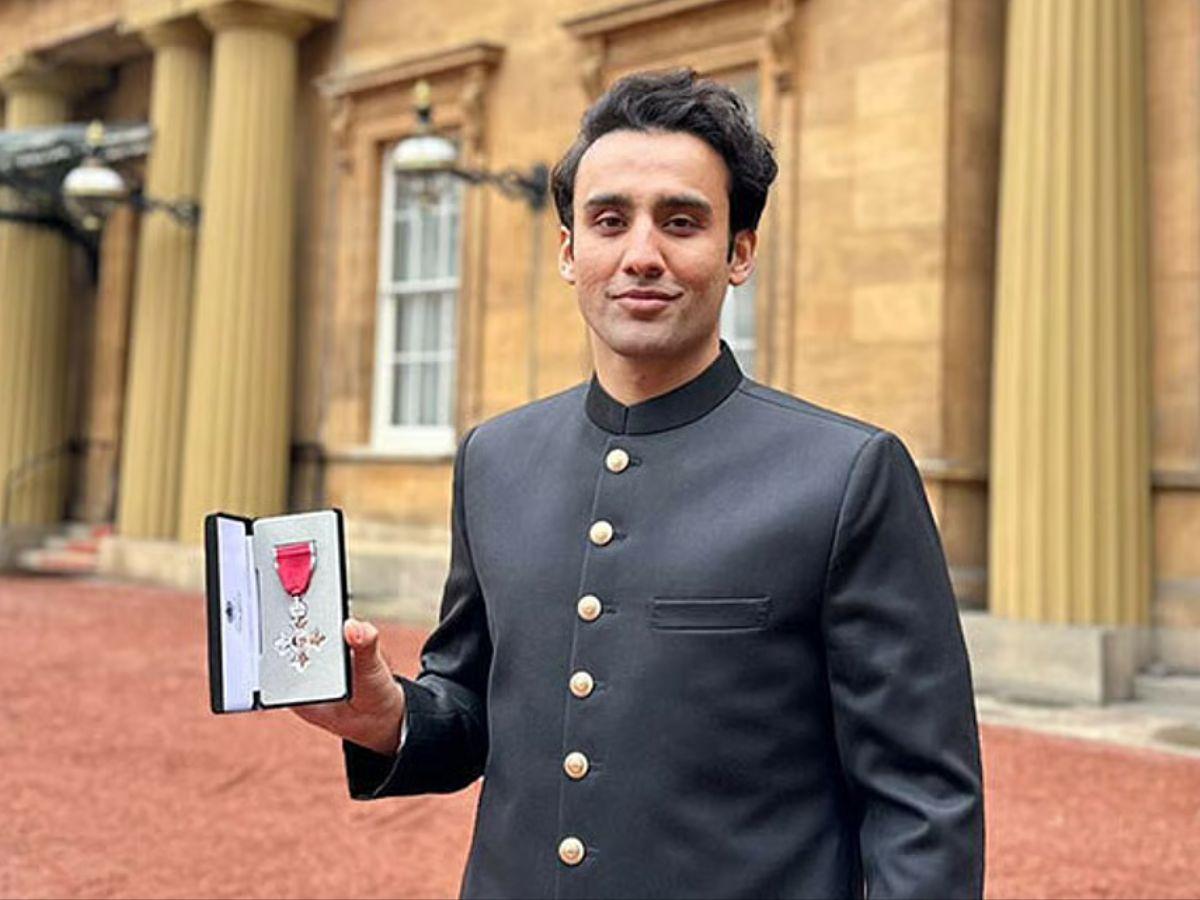
Central to this shift is Bilal Bin Saqib, a 35-year-old self-described crypto bro.
Saqib's Rise from Obscurity
Saqib worked three jobs to put himself through college including cleaning toilets.
He served as head of the Pakistan Crypto Council and was appointed Chairman of PVARA.
He secured partnerships with crypto luminaries such as Binance's CZ and Michael Saylor.
World Liberty Stablecoin as Diplomatic Lever
World Liberty is designed to function as a digital reserve bank and payment infrastructure for developing countries.
“At an ornate building in the heart of Islamabad, Pakistan’s most powerful leaders gathered in Jan to welcome a special visitor: Zachary Witkoff, chief executive officer of World Liberty Financial, the crypto platform co-founded by US President Donald Trump”
Pakistan signed a non-binding memorandum to explore the use of World Liberty stablecoins.
The platform's ties to Trump's circle vaulted Pakistan into a global digital diplomacy role.
More on Crypto

World Foundation Raises $65M in WLD Sale as Token Hits Record Lows
11 sources compared

Senator Lummis Defends CLARITY Act as Strongest Protection for DeFi Developers
10 sources compared

Polymarket's DC Situation Room Opens to Technical Chaos, Sparks Betting Frenzy
12 sources compared

Max Verstappen Considers Quitting F1 Over 2026 Regulations
27 sources compared