
Cuba Hit by Islandwide Blackout as United States Energy Blockade Deepens Crisis
Key Takeaways
- Cuba suffered an island-wide blackout affecting about 10 million residents.
- UNE: total disconnection of the National Electric System; restoration protocols activated.
- Crisis intensified by U.S. oil blockade causing fuel shortages and halted shipments.
Nationwide Blackout
Cuba experienced a complete island-wide blackout on Monday, March 16, 2026, leaving approximately 11 million residents without electricity.
The Union Nacional Electrica de Cuba (UNE) confirmed a 'complete shutdown of the national grid' that resulted from a 'total disconnection' of the National Electrical System (SEN).
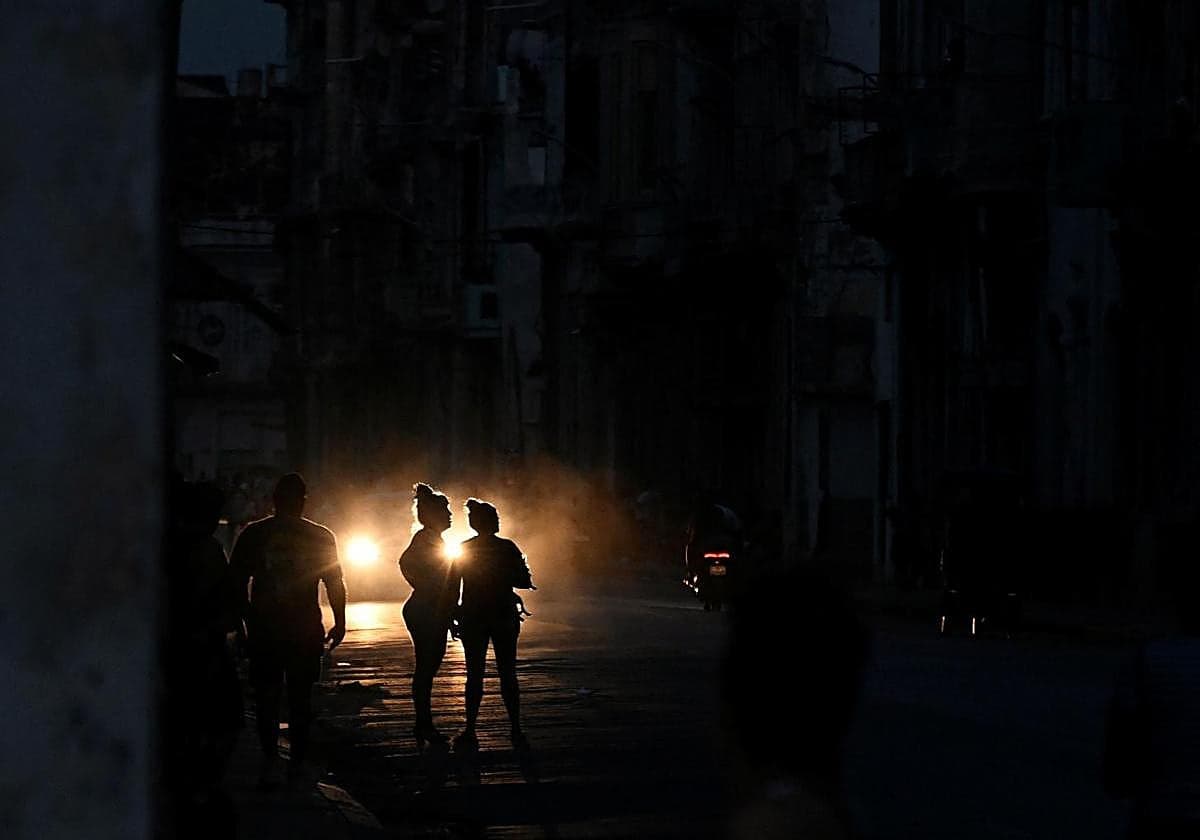
Work began immediately to restore electricity flow, though officials cautioned the process would be slow given the severity of the nationwide failure.
The outage marked the sixth major blackout in just 18 months, reflecting the deteriorating state of Cuba's energy infrastructure amid mounting international pressure.
Energy Blockade Impact
The energy crisis has been exacerbated by a tightening US energy blockade that has prevented oil shipments to Cuba for over three months.
President Miguel Díaz-Canel revealed that the island has not received oil imports since January 9, 2026, forcing Cuba to rely solely on solar power, natural gas, and thermoelectric plants to meet energy demands.

The blockade intensified after President Trump issued warnings in January about imposing tariffs on any country selling oil to Cuba, effectively切断 traditional suppliers including Venezuela and Russia.
This unprecedented energy vulnerability has crippled Cuba's power generation capacity, particularly affecting the thermoelectric plants that produce 40% of the country's electricity.
Social Crisis
The blackout has caused severe social and economic disruption across Cuba, with daily outages lasting up to 20 hours becoming the norm in many areas.
The crisis has forced the government to postpone surgeries for tens of thousands of patients as hospitals struggle with power-dependent medical equipment.
Food shortages have intensified as refrigeration systems fail, causing spoilage of essential supplies while waste collection trucks sit idle due to fuel shortages.
Residents report that 'what little we have to eat spoils' and express growing frustration with the deteriorating conditions.
The crisis has sparked rare social unrest, including protests where demonstrators have vandalized Cuban Communist Party offices and residents bang pots and pans in nightly demonstrations demanding 'Libertad,' or freedom.
Diplomatic Tensions
Diplomatic tensions have escalated between the United States and Cuba as the Trump administration openly discusses regime change and potential 'takeover' of the island.
President Trump stated on Monday that he believes he'll have the 'honor of taking Cuba,' declaring 'whether I free it, take it. I think I could do anything I want with it' while calling Cuba a 'very weakened nation.'
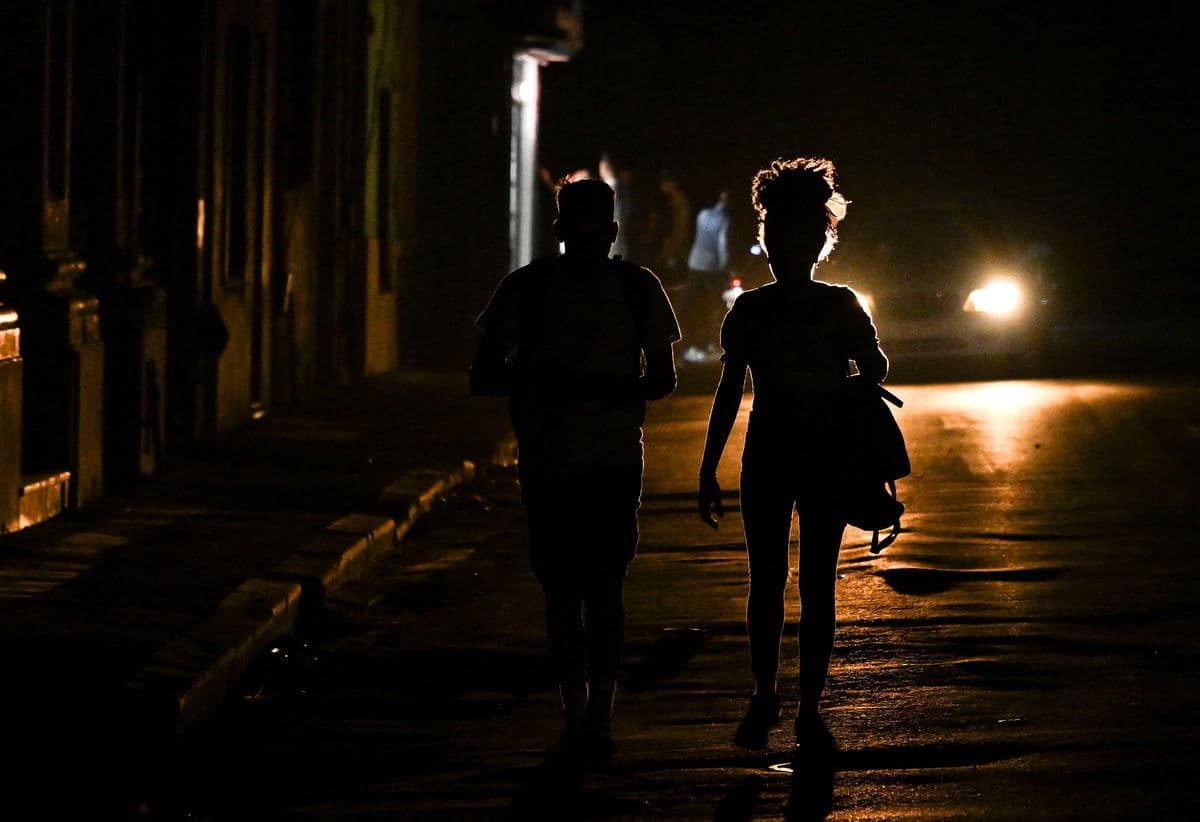
Meanwhile, Cuban President Díaz-Canel confirmed that his government has initiated talks with the Trump administration to seek solutions through dialogue, though deep political differences persist.
The crisis has created a complex international situation where Cuba's survival depends on finding alternative energy sources while navigating intense US pressure that has effectively isolated the country from traditional oil suppliers.
Restoration Challenges
Restoration efforts face significant technical challenges due to Cuba's aging infrastructure and severe fuel shortages.
According to energy officials, nine of the country's 16 thermoelectric generation units were not operational due to breakdowns or maintenance work, representing 40% of the energy mix.

The remaining 40% from distributed generation has been completely halted since January due to fuel shortages.
Engineers must restart the system gradually using simple-start sources like solar, hydroelectric, and generation engines to create 'microsystems' that can later be interconnected.
However, the lack of diesel and fuel oil—essential for quick-start generation engines—makes this process extremely difficult.
Experts estimate that restoring full service could take days or even weeks, with previous recovery efforts requiring at least 72 hours for partial restoration.
More on Technology and Science

Facebook launches Creator Fast Track, guaranteeing up to $3,000 monthly for three months.
10 sources compared

Meningitis B outbreak in Kent triggers vaccination of about 5,000 University of Kent students
32 sources compared

Nintendo Switch 2 Enables Original Switch Games to Run at 1080p in Handheld Mode
11 sources compared

Argentina Exits WHO Under President Javier Milei
23 sources compared