Europe21 March, 20262 min read
Dan Jørgensen Urges EU to Lower Gas Storage Targets Amid Iran War
This article is an automated aggregation of coverage from news outlets. Our editorials offer in-depth analysis curated by the NewsCord team.
EU urged to lower gas storage targets due to Iran war and rising prices. Jørgensen urged early refilling of storage to mitigate price pressure.
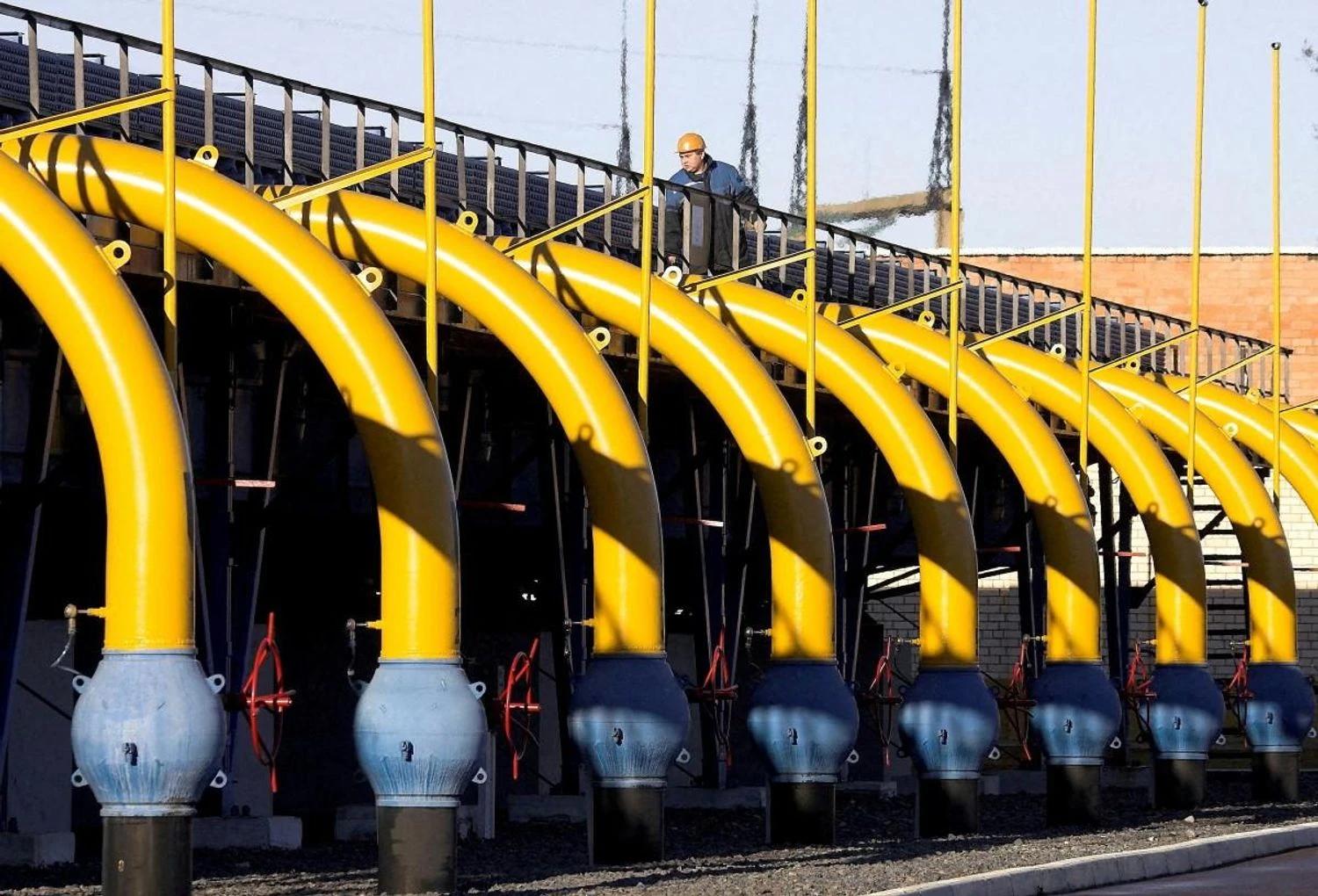
EU Gas Target Reduction
European Energy Commissioner Dan Jørgensen has urged EU member states to lower their natural gas storage filling targets from 90% to 80%. This decision comes amid surging energy prices caused by the U.S.-Israeli war on Iran. Gas futures jumped up to 35% following attacks on Middle East energy infrastructure.
“The EU has asked member states to lower natural gas storage filling targets to 80% to curb demand amid surging energy prices caused by the U.S.–Israeli war on Iran, with gas futures jumping up to 35% after attacks on Middle East energy infrastructure.”
Jørgensen sent a letter instructing member states to implement the reduction 'as early as possible in the filling season'. The goal is to 'provide certainty and reassurance to market participants'. This reflects growing concerns over energy market volatility triggered by the escalating conflict.

The European Commission's move comes as the region faces intense price pressures from global energy market disruptions. The EU is seeking to mitigate economic impacts through strategic adjustments to energy storage policies.
Energy Market Impacts
The Iran war has triggered significant energy market disruptions. Oil prices have soared more than 50% since the conflict began on February 28. Natural gas prices in the EU have risen by over 30%.
The price shock stems from Iranian retaliation including attacks on Gulf energy facilities. Iran effectively closed the strategic Strait of Hormuz to tanker traffic. The Strait facilitates a significant share of the world's oil and natural gas trade.

Jørgensen stated that 'developments in Iran and the wider region threaten regional and global security.' He noted that 'attacks on energy infrastructure are significantly impacting global oil and gas markets.'
Despite limited reliance on regional imports, high global prices still impact EU energy storage projections. This creates uncertainty for winter preparations.
Gas Reserves Crisis
The EU faces a critical energy security challenge as gas reserves currently stand at under 30% as of March 2026. This marks the lowest levels since 2022 when Russia's invasion of Ukraine disrupted energy supplies. This depleted state comes amid Europe's entry into warmer months.
“But this year's colder-than-average winter depleted those reserves to an average of under 30 percent as of March, the lowest since 2022. Anxiety has been growing in Brussels over whether the conflict in Iran, coupled with already low gas reserves, could spark a fight among countries over dwindling global energy supplies.”
Typically, countries refill gas storage facilities during this period for winter preparation. Jørgensen expressed anxiety growing in Brussels over the conflict's impact on reserves. He fears competition among countries over dwindling global energy supplies.
While 'the EU's gas supplies remain relatively protected' due to limited regional import reliance. The EU is a 'net importer' of gas globally, making it vulnerable to price volatility.
High global prices may impact EU gas storage projections and injections. This raises concerns about inflationary pressures and dampened economic growth.
Policy Flexibilities
Jørgensen has proposed extending filling target deadlines to as late as December. This is two months later than the usual deadline. He suggested starting storage injections early to avoid an 'end-of-summer rush'.
This would prevent upward pressure on prices from last-minute refilling. These measures can be taken under the EU Gas Storage Regulation. The regulation provides flexibility for difficult market conditions.

Jørgensen stated he would support countries using these flexibilities. They should be discussed with the European Commission and other member states first.
In 'difficult conditions', countries can deviate from targets by up to 20 percent. This provides additional policy space for the uncertain energy landscape.