
Debate Rages Over US-Israeli Strikes on Iran's Dual-Use Sites Including Pasteur Institute
Key Takeaways
- China aiding Iran to rebuild ballistic missile power amid US-Israel strikes.
- Strikes target dual-use sites: Mobarakeh steel plant, Pasteur Institute, Shahid Beheshti University.
- In Iran, controversy surrounds strikes but public approval surges with video clips.
Civilian Targets and Dual-Use Dilemma
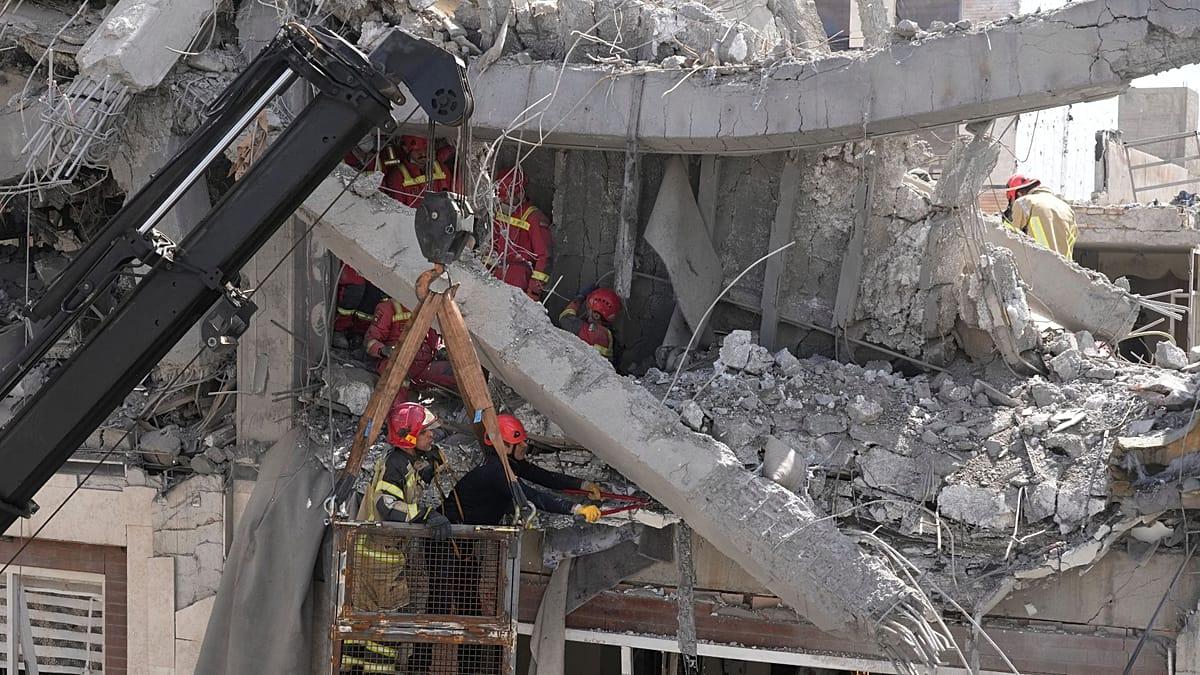
US-Israeli forces struck more than 70 sites across Iran, shifting from military infrastructure to the nation's axis of evil.
“(Photo Credit : Reuters) China is actively assisting Iran in rebuilding its ballistic missile capabilities, even as a "US-Israel combine" intensifies its campaign to dismantle the Islamic regime’s military infrastructure”
The strikes included nuclear facilities, the Pasteur Institute, shipyards, power plants, and civilian centers like steel mills and universities.
Iran International documented an unexpected surge of public approval across Iran.
The Pasteur Institute had long been designated as an entity of concern for biological and chemical weapons capabilities.
Research showed the regime transplanted biological weapons research into civilian cover at the Pasteur and Razi Institutes.
Chinese Support Sustains Iran's Missile Program
Tehran's missile program rebounded rapidly, propelled by substantial Chinese assistance.
Beijing delivered multiple shipments of missile fuel precursors to Iran.
Iran began using China’s BeiDou Navigation Satellite System, enhancing strike precision.
The Atlantic Council noted Chinese dual-use exports to Iran spiked in January 2024 after a strategic partnership.
China facilitated Tehran's rapid recovery despite relentless strikes.
More on Iran

US Carries Out Epic Rescue of Two F-15E Crew Members After Iran Shootdown
34 sources compared

US-Iran Indirect Talks Advance While Iran Demands Complete End to War
12 sources compared
Trump Threatens to Destroy Iranian Infrastructure as Deadline Nears
17 sources compared
Iran Rejects US-Israeli Ceasefire, Presents 10-Point Peace Plan via Pakistan
18 sources compared