
Defense Secretary Pete Hegseth Ends Facial Hair Waivers, Orders 90-Day Re-Evaluation
Key Takeaways
- March 11, 2026 memo tightens facial hair policy.
- Beard exemptions narrowed; proof of faith required.
- Troops must prove sincerely held faith via sworn statement.
New Facial Hair Policy
Defense Secretary Pete Hegseth has implemented a sweeping new policy that effectively ends religious exemptions for facial hair in the U.S. military.
“Summary and Key Points: Defense Secretary Pete Hegseth has issued a high-priority memo dated March 11, 2026, officially ending broad religious exceptions for facial hair in the U”
The March 11 memo, confirmed as authentic by the Pentagon, imposes significantly stricter requirements for obtaining and maintaining religious beard waivers.
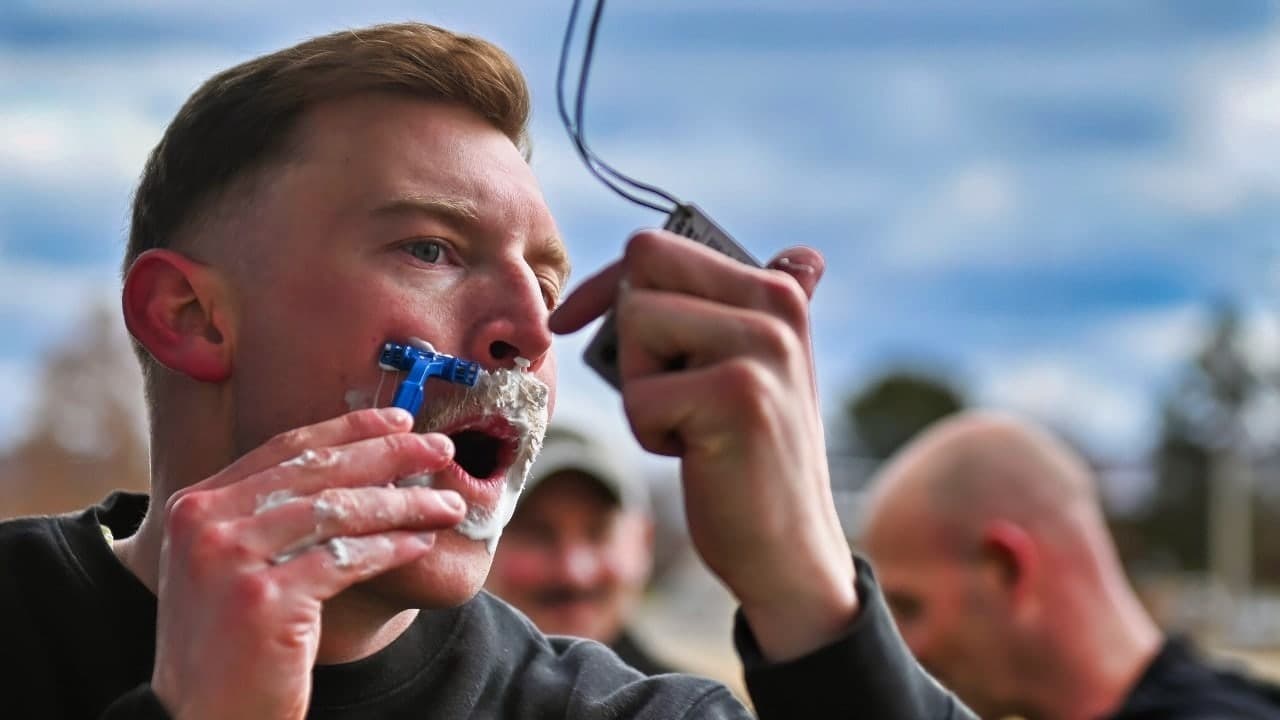
This represents a dramatic reversal of previous policies that allowed greater flexibility for religious accommodations.
The crackdown comes as Hegseth has made grooming and appearance standards a central focus of his tenure.
The policy emphasizes 'standardized warrior appearance' and 'discipline and order' as essential components of military readiness and lethality.
Documentation Requirements
The new policy requires applicants to provide extensive documentation including a sworn statement of religious faith.
Applicants must submit detailed explanations of how grooming standards conflict with their beliefs.
Supporting evidence for 'sincerely held' religious convictions is also required.
False statements subject service members to disciplinary action under the Uniform Code of Military Justice.
The policy places commanders in the delicate position of evaluating the sincerity of religious beliefs.
This tightening follows court rulings favoring religious accommodations unless a compelling operational need exists.
Religious Community Impact
The policy directly impacts religious communities including Muslims and Sikhs.
“Summary and Key Points: Defense Secretary Pete Hegseth has issued a high-priority memo dated March 11, 2026, officially ending broad religious exceptions for facial hair in the U”
For these groups, facial hair represents a fundamental article of faith rather than personal preference.
The Sikh Coalition has derided the new requirements as 'completely unnecessary.'
Sikhs have served in the U.S. military since at least World War I.
Their accommodations were already earned under previous administrations.
The organization argued that specific cases could be pursued individually rather than burdening all religious service members.
Ideological Shift
Hegseth's anti-beard crusade represents a significant ideological shift in military grooming standards.
The policy reverses flexible practices from the Global War on Terror when Special Forces sought to 'blend in' in the Middle East.
This marks a return to Reagan-era standards after the permissive 'Z-gram' policy of Elmo Zumwalt in 1970.
The tightening occurs as the military increasingly embraces overt Christianity and Christian nationalism.
This includes ideological shifts at the Air Force Academy and framing military conflicts as part of 'God's divine plan'.
These developments raise concerns about the intersection of religious expression and military service.
Readiness Concerns
Critics warn the new policy could harm military readiness and retention.
“Summary and Key Points: Defense Secretary Pete Hegseth has issued a high-priority memo dated March 11, 2026, officially ending broad religious exceptions for facial hair in the U”
Both readiness and retention are currently urgent concerns for the military.
The policy risks forcing religious service members from the ranks.
Four Democratic senators warned in a November letter about the potential consequences.
The senators noted this could force out service members with earned accommodations.
It could also signal to religious communities that their contributions aren't needed.
The senators called the move 'ill-advised' given current readiness challenges.
This suggests prioritizing appearance over maintaining a capable fighting force.
More on USA

Trump threatens to deploy ICE agents to US airports amid DHS funding standoff
46 sources compared

ICE Detainee Royer Perez-Jimenez Dies in Florida Detention Center; Officials Suspect Suicide
10 sources compared
Elon Musk Offers to Pay TSA Salaries During Partial Government Shutdown
50 sources compared

California lawmakers rename Cesar Chavez Day to Farmworkers Day amid sexual abuse allegations.
17 sources compared