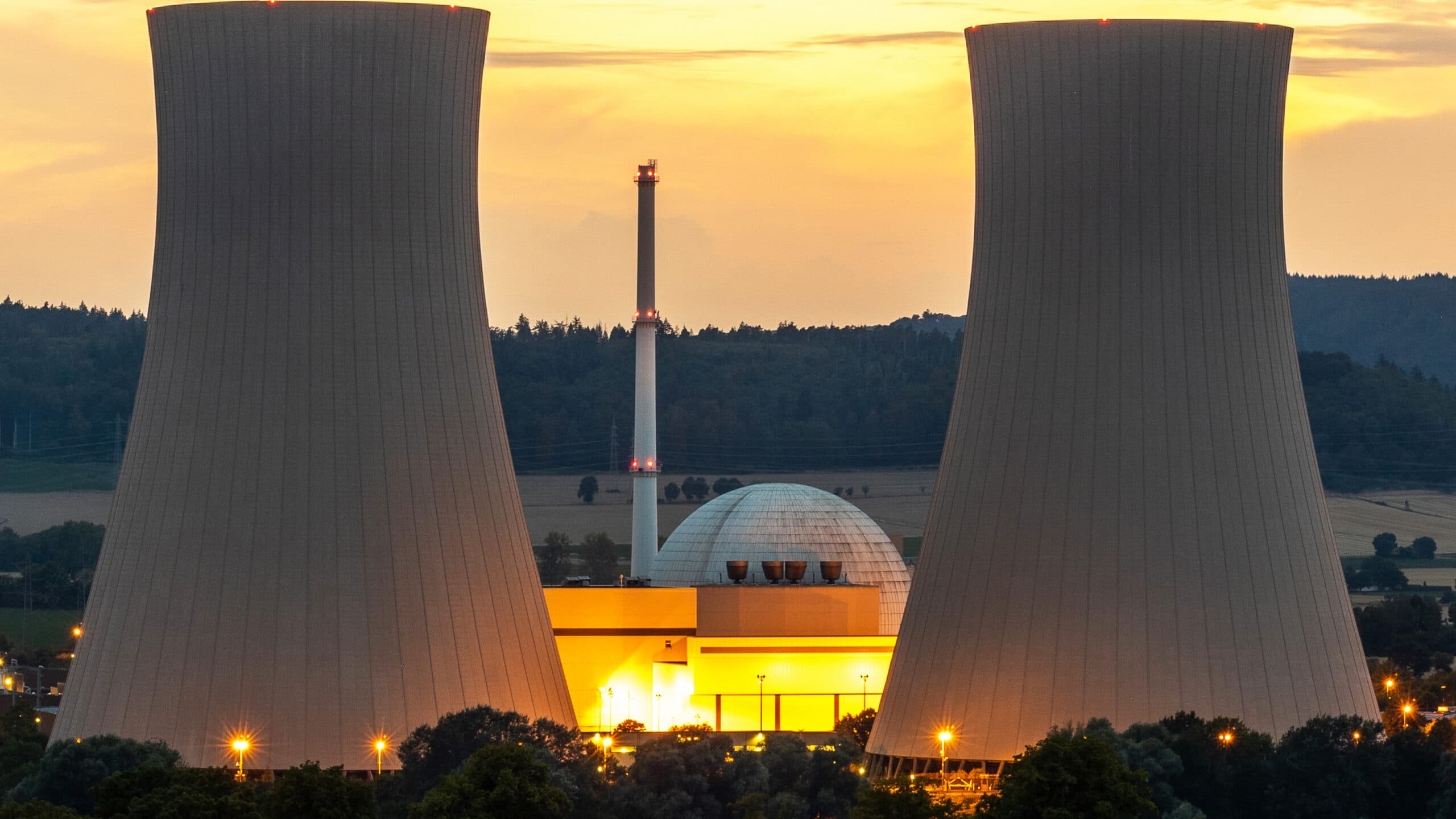
DOGE goes nuclear: How Trump invited Silicon Valley into America’s nuclear power regulator
Key Takeaways
- DOE officials met at Idaho National Laboratory to discuss nuclear energy’s future under Trump.
- Idaho National Laboratory spans a vast desert complex, site of early U.S. nuclear endeavors.
- Trump invited Silicon Valley into America's nuclear regulator oversight.
Nuclear policy meeting setup
Last summer, a group of officials from the Department of Energy gathered at the Idaho National Laboratory, a sprawling 890-square-mile complex in the eastern desert of Idaho where the US government built its first rudimentary nuclear power plant in 1951 and continues to test cutting-edge technology.
“Last summer, a group of officials from the Department of Energy gathered at the Idaho National Laboratory, a sprawling 890-square-mile complex in the eastern desert of Idaho where the US government built its first rudimentary nuclear power plant in 1951 and continues to test cutting-edge technology”
On the agenda that day: the future of nuclear energy in the Trump era.
The meeting was convened by 31-year-old lawyer Seth Cohen.
Just five years out of law school, Cohen brought no significant experience in nuclear law or policy; he had just entered government through Elon Musk’s Department of Government Efficiency team.
Cohen downplays safety concerns
As Cohen led the group through a technical conversation about licensing nuclear reactor designs, he repeatedly downplayed health and safety concerns.
When staff brought up the topic of radiation exposure from nuclear test sites, Cohen broke in.
“They are testing in Utah. … I don’t know, like 70 people live there,” he said.
“But… there’s lots of babies,” one staffer pushed back.
Babies, pregnant women, and other vulnerable groups are thought to be potentially more susceptible to cancers brought on by low-level radiation exposure, and they are usually afforded greater protections.
“They’ve been downwind before,” another staffer joked.
“This is why we don’t use AI transcription in meetings,” another added.
Regulatory overhaul and Silicon influence
ProPublica reviewed records of that meeting, providing a rare look at a dramatic shift underway in one of the most sensitive domains of public policy.
“Last summer, a group of officials from the Department of Energy gathered at the Idaho National Laboratory, a sprawling 890-square-mile complex in the eastern desert of Idaho where the US government built its first rudimentary nuclear power plant in 1951 and continues to test cutting-edge technology”
The Trump administration is upending the way nuclear energy is regulated, driven by a desire to dramatically increase the amount of energy available to power artificial intelligence.
Career experts have been forced out and thousands of pages of regulations are being rewritten at a sprint.
A new generation of nuclear energy companies—flush with Silicon Valley cash and boasting strong political connections—wield increasing influence over policy.
Figures like Cohen are forcing a “move fast and break things” Silicon Valley ethos on one of the country’s most important regulators.
Actors shaping nuclear policy
Key actors include Seth Cohen, a 31-year-old lawyer who convened the Idaho meeting, and a new generation of nuclear energy companies—flush with Silicon Valley cash and boasting strong political connections—whose influence over policy is increasing.
Figures like Cohen are forcing a “move fast and break things” Silicon Valley ethos on one of the country’s most important regulators.
The piece portrays these dynamics as a dramatic shift underway in the regulation of nuclear energy, driven by a desire to dramatically increase the energy available to power artificial intelligence.
More on USA

Trump threatens to deploy ICE agents to US airports amid DHS funding standoff
46 sources compared

ICE Detainee Royer Perez-Jimenez Dies in Florida Detention Center; Officials Suspect Suicide
10 sources compared
Elon Musk Offers to Pay TSA Salaries During Partial Government Shutdown
50 sources compared

California lawmakers rename Cesar Chavez Day to Farmworkers Day amid sexual abuse allegations.
17 sources compared