
DOJ Charges Kenya Chapman With Selling Gun To Old Dominion University Shooter
Key Takeaways
- DOJ charged Kenya Chapman with selling the firearm used in the Old Dominion shooting
- The shooter had a previous terrorism conviction
- Attack killed one person and injured two; FBI is investigating it as terrorism
DOJ charges seller
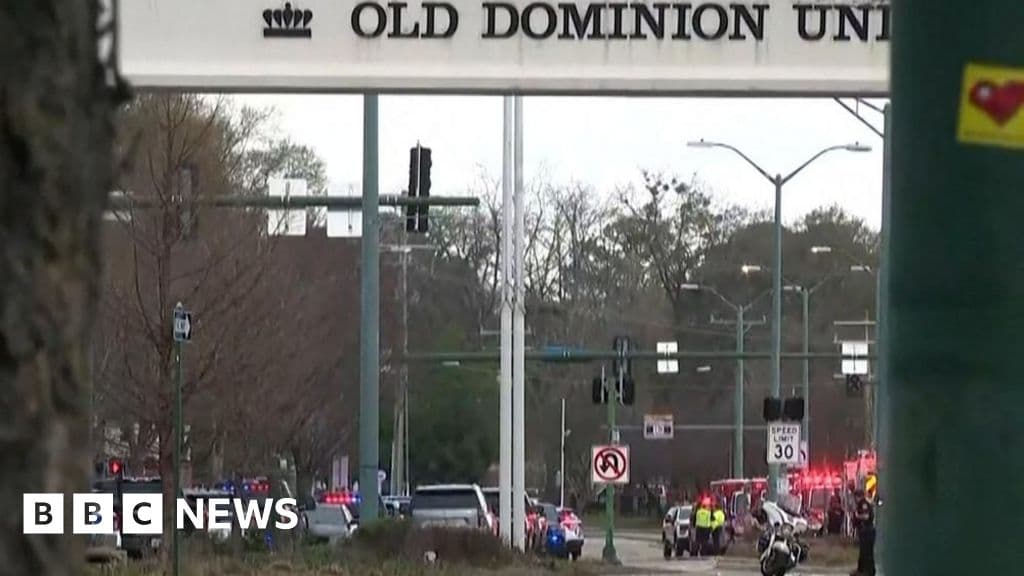
The Justice Department has charged Kenya Chapman for allegedly selling the handgun used in the Old Dominion University classroom shooting to Mohamed Bailor Jalloh, a man previously convicted in a terrorism case.
“en EnglishUnited States Deutsch English Español Français Italiano العربية All languages Afrikaans azərbaycan bosanski català Čeština Cymraeg Dansk Deutsch eesti EnglishUnited Kingdom EspañolEspaña EspañolLatinoamérica euskara Filipino FrançaisCanada FrançaisFrance Gaeilge galego Hrvatski Indonesia isiZulu íslenska Italiano Kiswahili latviešu lietuvių magyar Melayu Nederlands norsk o‘zbek polski PortuguêsBrasil PortuguêsPortugal română shqip Slovenčina slovenščina srpski (latinica) Suomi Svenska Tiếng Việt Türkçe Ελληνικά беларуская български кыргызча қазақ тілі македонски монгол Русский српски Українська ქართული հայերեն עברית اردو العربية فارسی አማርኛ नेपाली मराठी हिन्दी অসমীয়া বাংলা ਪੰਜਾਬੀ ગુજરાતી ଓଡ଼ିଆ தமிழ் తెలుగు ಕನ್ನಡ മലയാളം සිංහල ไทย ລາວ မြန်မာ ខ្មែរ 한국어 日本語 简体中文 繁體中文 繁體中文香港 Sign in Sign in”
Prosecutors have charged Chapman with making false statements in connection with a firearm purchase and dealing firearms without a license, and federal authorities say Jalloh — who had a terrorism conviction and was barred from possessing a gun — carried out the deadly attack that killed one person and injured two others.
The case is being handled as part of a broader federal investigation into how the weapon was obtained and sold.
How gun changed hands
According to investigators’ accounts and court documents, Chapman told agents he stole the firearm from a car in Newport News about a year earlier and sold it to Jalloh days before the shooting; he initially gave inconsistent accounts, at one point saying he found the gun "in the woods."
Tracing the weapon was complicated because its serial number had been partially obliterated, but agents say phone records showing frequent calls between Jalloh and Chapman in the week before the attack helped identify Chapman as a suspect.
Shooter's background
The shooter, Mohamed Bailor Jalloh, is a former Army National Guard member who previously pleaded guilty in 2016 to attempting to aid the Islamic State group; he served time and was released from federal custody in December 2024 and was on supervised release.
“Man charged for allegedly selling weapon to gunman in Virginia university attack A man has been for allegedly selling a gun to the suspect who opened fire at a US university, killing one person and injuring two others, authorities have said”
Authorities say Jalloh was barred from possessing a firearm because of his terrorism-related conviction, and multiple outlets emphasise his prior conviction and connection to the Islamic State in reporting the case.
Attack and response
Witnesses and officials say Jalloh entered an ROTC class, twice asked people to confirm it was an ROTC event, and shouted "Allahu Akbar" before opening fire;
the Reserve Officers' Training Corps students in the room subdued and killed him, and FBI agents described the episode as being investigated as an act of terrorism.
The shooting killed an ROTC instructor, identified as Lt Col Brandon Shah, and wounded two others; FBI special agent Dominique Evans praised the students and said there was no suggestion the attack was tied to the war in Iran.
More on Crime
Ghazali Rams Michigan Synagogue, Killed After Saying He Avenged Relatives in Israeli Strike
11 sources compared
Convicted ISIS Supporter Shoots at Old Dominion University, Kills Army Officer
11 sources compared

Europol and DOJ Freeze $3.4–$3.5M, Dismantle SocksEscort Proxy Network That Compromised 369,000 Devices
13 sources compared

Ayman Ghazali dies of self-inflicted gunshot after attacking Temple Israel in Michigan
36 sources compared