
DOJ Indicts James Comey Over Instagram Seashell Post Threatening Donald Trump
Key Takeaways
- Federal grand jury in Eastern District of North Carolina indicted Comey for seashell photo.
- This marks Comey’s second federal indictment in months.
- Indictment relates to an Instagram seashell photo posted last year.
Comey’s seashell indictment
Former FBI director James Comey was indicted again over a social media photo of seashells that officials said threatened President Donald Trump, with the new case filed in federal court in the eastern district of North Carolina.
“It’s said that history repeats itself, first as tragedy, then as farce”
CNN reported the charges were approved by a grand jury in the Eastern District of North Carolina and include making a threat against the president and transmitting a threat in interstate commerce, according to court documents.
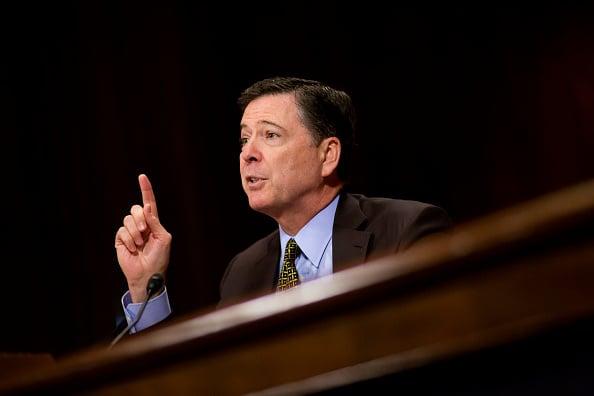
The Guardian said the justice department filed new criminal charges against Comey on Tuesday over a picture he posted on Instagram while on vacation last year in which sea shells were arranged to say “86 47”.
CNBC said the indictment, returned by a federal grand jury and dated Tuesday, marks the second time Comey has been federally indicted since Trump’s second presidential term began.
The Verge described the DOJ’s case as an alleged threat tied to the now-deleted image Comey posted to Instagram last May showing a seashell arrangement making up the numbers “8647”.
In the indictment’s framing, Todd Blanche, the acting attorney general, said at a press conference on Tuesday that “Threatening the life of the President of the United States will never be tolerated by the Department of Justice,” and CNBC reported Blanche also said the alleged conduct is the same kind of conduct “that we will never tolerate.”
Comey responded through a video posted to his Substack, telling viewers, “I’m still innocent. I’m still not afraid,” and the Guardian later quoted his longer video message beginning “Well, they’re back.”
How the message was read
The indictment’s theory centers on the way Comey’s seashell photo was interpreted as a threat against Trump, with multiple outlets describing the same core elements: seashells arranged to spell out “86 47” or “8647,” and a caption that Comey later deleted.
CNN said the indictment is centered on a picture Comey posted on social media last May, of shells on a beach writing out the numbers “86 47,” and that he wrote in the caption, “Cool shell formation on my beach walk.”

 Ars Technica
The Guardian similarly said Comey posted the Instagram picture while on vacation last year in which sea shells were arranged to say “86 47,” and it described the post as one that was taken as a threat to Donald Trump.
The Verge said the DOJ cites the now-deleted image Comey posted to Instagram last May, which showed a seashell arrangement making up the numbers “8647,” and it quoted the DOJ’s language that the photo could be interpreted as a ‘serious expression of an intent to do harm.’
In the legal framing described by the Guardian, the indictment says that a reasonable person “would interpret as a serious expression of an intent to do harm.”
Comey’s own explanation, as reported by the Guardian and CNBC, was that he assumed the numbers reflected a political message and that he didn’t realize some would interpret them as violence.
The dispute over intent is also reflected in how Blanche addressed the question of proof, with CBC reporting he refused to elaborate on evidence of intent and said, “How do you prove intent in any case? You prove intent with witnesses, with documents, with the defendant himself to the extent it's appropriate.”
Blanche, Fitzgerald, and the fight over intent
At the center of the government’s case is acting Attorney General Todd Blanche, who framed the prosecution as routine enforcement of laws against threats while also emphasizing the department’s intent to investigate and prosecute.
“In short: Former FBI director James Comey has been indicted for a second time, accused of threatening the life of US President Donald Trump”
CNN reported that Blanche said at a press conference Tuesday, “While this case is unique, and this indictment stands out because of the name of the defendant, his alleged conduct is the same kind of conduct that we will never tolerate and that we will always investigate and regularly prosecute.”
CBC similarly quoted Blanche refusing to elaborate on evidence of intent and then reiterating that the department would “always investigate and regularly prosecute.”
CNBC quoted Blanche’s statement that “Threatening the life of the President of the United States will never be tolerated by the Department of Justice,” and it also reported that Blanche said the DOJ is treating Comey “the same as it would anyone accused of threatening the president.”
Comey’s defense, as described by the Guardian and CNBC, pushed back on the charges and tied them to First Amendment concerns.
The Guardian quoted Patrick Fitzgerald, Comey’s attorney, saying, “Mr Comey vigorously denies the charges contained in the indictment filed in the eastern district of North Carolina,” and it added Fitzgerald’s statement that, “We will contest these charges in the courtroom and look forward to vindicating Mr Comey and the first amendment.”
Comey himself responded publicly in a video message, with CNN quoting him as saying, “I’m still innocent. I’m still not afraid,” and the Guardian quoting his longer message: “Well, they’re back. This time, about a picture of seashells on a North Carolina beach a year ago.”
Competing narratives of DOJ intent
Across the coverage, outlets diverged in how they described the broader meaning of the indictment, even while agreeing on the basic facts of the seashell photo and the two-count charges.
CNBC emphasized the controversy over whether the DOJ was being “weaponized,” quoting Jimmy Gurulé calling the indictment “an embarrassment to the American criminal justice system” and saying “The damage to the credibility, integrity and reputation of the U.S. Department of Justice may be immeasurable.”

CNBC also quoted Senate Judiciary Committee ranking member Dick Durbin, D-Ill., saying, “Just like the last baseless indictment against Mr. Comey, this is another case of a weaponized Justice Department lashing out on behalf of a vengeful President.”
In contrast, Blanche’s framing in multiple outlets stressed that the case is treated like any other threat prosecution, with CNN reporting Blanche said at a press conference Tuesday that “While this case is unique… his alleged conduct is the same kind of conduct that we will never tolerate.”
The Guardian said the new indictment marks “the latest instance in which Trump’s justice department has used its power to target the US president’s political enemies,” and it also described other prosecutions and investigations it linked to the same pattern.
CBC described the case as part of a “relentless effort” to prosecute political opponents and said the criminal case is the second in a matter of months against Comey.
The Verge focused more tightly on the legal mechanics, stating that the DOJ claims Comey’s photo could be interpreted as a ‘serious expression of an intent to do harm’ and that the DOJ is charging Comey with threatening the president and transmitting a threat in interstate commerce.
What happens next
The indictment’s immediate procedural posture includes an arrest warrant and an assigned judge, while the broader timeline includes a prior Comey prosecution that was dismissed and the possibility of further legal challenges.
“Former FBI Director James Comey was charged Tuesday with threatening President Donald Trump's life when he posted an image of seashells spelling out "8647" on his Instagram account last year, a federal indictment showed”
CNBC said an arrest warrant for Comey, requested by federal prosecutors, has been issued according to his case docket, and it reported the case has been assigned to U.S. District Judge Louise Flanagan, who was appointed to the federal court in eastern North Carolina in 2003 by former President George W. Bush.

CNN said the case is the second effort by Trump’s Justice Department to convict the former director and that it comes less than a month after the president dismissed Attorney General Pam Bondi, with Todd Blanche now in charge.
CNN also reported that the indictment is centered on a May post and that an arrest warrant was issued for Comey, but that it doesn’t always indicate an arrest is imminent, with the possibility Comey will be allowed to self-surrender.
The Guardian said the justice department previously indicted Comey last year and charged him with lying to Congress, and it said that case was dismissed when a judge in the eastern district of Virginia ruled that the prosecutor overseeing the case had been wrongfully appointed.
CBC similarly said the case was dismissed after a judge concluded that the prosecutor who brought the indictment was illegally appointed.
The next phase is likely to include arguments over intent and First Amendment grounds, with CNN quoting Volokh saying, “This is not going anywhere. This is clearly not a punishable threat,” and with the Guardian quoting Fitzgerald’s commitment to contest the charges and vindicate Comey and the first amendment.
More on USA
Judge Jesse M. Furman Lets Maurene Comey Lawsuit Proceed in Federal Court
10 sources compared

Pakistan Mortars Hit Kunar University, Killing At Least Seven and Injuring More Than 80
13 sources compared

King Charles III Meets Donald Trump in Oval Office During US State Visit
20 sources compared

FCC Orders Disney’s ABC To File Early License Renewals For Eight Stations By May 28, 2026
20 sources compared